春暖花开 (chūn nuǎn huā kāi) — Spring Warmth · Flowers Opening · A Season You Can See
A 4-character phrase, not a single character.
Warmth first, then bloom — that is the order the four characters keep. 春暖花开 does not ask you to believe in a thaw you cannot feel; 春暖 names the air, and 花开 names what the warmth has already started to open. Moedict’s English is plain: springtime when the weather is warm and flowers are in bloom, and figuratively a time of renewal and flourishing. Against See 春 →, which can mark a February date while rivers are still hard, this phrase waits for the later stage. Against See 花好月圆 →, it drops the moon and the completeness claim; the gift is the outdoor season itself.
Ming palace prose already uses the fixed form for a viewing banquet in the Southern Palace gardens; Qing household fiction uses the same four characters for leading children into the yard once the flowers are out. That double register — court outing and family garden — is why the phrase still works on a spring birthday card and on a Mother’s Day wall without borrowing wedding language. The figurative reading (a workable stretch after difficulty) stays inside scenery and timing; it does not license luck or prosperity talk.
A hand-brushed “春暖花开” by Artist Lina Sun suits the friend whose year is turning toward outdoor weather, the mom whose May holiday already sits in late spring, or the best friend who needs four characters that name a good window without grading the person or promising outcomes. It does not forecast the harvest. It names the warmth and the opening you can already point at.
- springtime when the air is warm and flowers are in bloom — Moedict's literal gloss
- a usable outdoor season you can point at without a calendar speech
- figuratively, a stretch when conditions have turned workable
- the 开 form of the pair dictionaries also write as 春暖花香
- flowers in bloom, moon full That is 花好月圆 — it needs the moon and treats the evening as already complete. 春暖花开 has no moon and no completeness claim; it only reports warmth and opening.
- the calendar date spring begins 立春 / the single character 春 can arrive while the ground is still frozen. This phrase waits for warmth you can feel and flowers you can see.
- a smile that stays open 笑口常开 uses 开 for a mouth that does not close. Here 开 is bloom, and the subject is 花, not a face.
- good luck arriving with the season The dictionaries describe scenery and a workable window. They do not license a fortune or prosperity effect claim, and this page does not add one.
The short arms are the point: these readings don’t reach it.
- 春 springThe season half already in the library as 春. Here it is not the February calendar date 立春; it is the later warm stage the compound needs before 花开 can be said.
- 暖 warmWarmth of the air — the sensory check that comes before bloom. Dictionaries' 春光和煦宜人 lands on this syllable.
- 花 flowerThe visible subject of the second half. Not yet graded as 好 (at their best) the way 花好月圆 grades them.
- 开 openingThe verb of bloom. Traditional 開. What separates this form from the variant 春暖花香, which keeps fragrance instead of opening.
characters
- 春暖花香 chūn nuǎn huā xiāng the dictionary-marked 也作 variant — same spring warmth, fragrance instead of opening
- 百花齐放 bǎi huā qí fàng a hundred flowers opening together — near in bloom-imagery; shares no character with this phrase's 春暖 half
- 大地回春 dà dì huí chūn the earth turns back to spring — related thaw-sense; shares 春 only
- 草长莺飞 cǎo zhǎng yīng fēi grasses grow, orioles fly — another spring-scene stock phrase; shares no character
Cinnabar marks the characters 春暖花开 actually contains. The dark row is a relative by meaning or by sound, not one shared stroke.
The Story Behind the Character
Moedict and the Ministry's Revised Mandarin dictionary gloss the four characters as spring light warm and pleasant, with flowers opening in succession. They do not invent a pre-Qin origin story: the living form is treated as ordinary scenic speech, also written 春暖花香. The earliest fixed-form citation dictionaries still circulate for 春暖花开 is Ming. Zhu Guozhen's 《涌幢小品·南内》 describes the Southern Palace gardens — rare flowers and trees planted among pavilions — and then the court habit in one breath: 春暖花开,命中贵陪内阁儒臣宴赏. Warm spring, flowers open; eunuchs are ordered to accompany cabinet scholars for a banquet of viewing. The phrase is already doing outdoor-season work in Ming palace prose, not yet a modern greeting-card slogan.
The structure is sequential, not decorative. 春暖 names the air first; 花开 names what the warmth makes visible. That is a different job from the single character 春, which marks a calendar date (立春) that can arrive while the ground is still frozen. It is also a different job from 花好月圆, which needs flowers and a full moon to call an evening complete. Here there is no moon and no romance grammar — only warmth you can feel and bloom you can point at.
Qing fiction keeps the domestic register. 《歧路灯》第四十回, the example Moedict and the Ministry both quote, puts the same four characters in a household plan: 春暖花开,我好引着孩子们园里做活 — when spring is warm and the flowers open, I can lead the children into the garden to work. The phrase names a usable outdoor window, not a cosmic blessing.
Classical lines
- roughly 500 years
- c. 13th–14th c. CE 元·奥敦周卿《蟾宫曲》
- c. 17th c. CE 明·朱国祯《涌幢小品·南内》
- c. 18th c. CE 清·李绿园《歧路灯》第四十回
春暖花开,命中贵陪内阁儒臣宴赏。 When spring turns warm and the flowers open, eunuchs are ordered to accompany the cabinet scholars for a banquet of viewing.
The Ming palace gardens of the Southern Palace, with rare trees already planted; the four characters name the outdoor season that makes the viewing possible.
春暖花开,我好引着孩子们园里做活。 When spring is warm and the flowers open, I can lead the children into the garden to work.
The Ministry's and Moedict's stock example: the phrase as a household outdoor window, not a banquet toast.
春暖花香,岁稔时康。 Spring warm, flowers fragrant; the harvest ripe, the times at ease.
The earlier 春暖花香 variant dictionaries mark as 也作; same spring-warmth half, fragrance instead of the verb 开.
Why This Character Matters
In everyday Chinese the four characters still do two jobs at once. Literally they report the season: warm air, flowers out. Figuratively they name a stretch when conditions have turned workable — a visit, a project, a recovery after a hard winter of whatever kind — without claiming luck or fortune. Calligraphy gifts reach for them on spring birthdays and on Mother's Day because the wording stays visible and outdoor: no dragon, no counted century, no wedding banner set required.
The variant 春暖花香 appears earlier in Yuan sanqu. Audun Zhouqing's 《蟾宫曲》 on West Lake closes a pleasure scene with 春暖花香,岁稔时康 — spring warm and flowers fragrant; the harvest ripe and the times at ease. Dictionaries mark 春暖花香 as 也作 for this entry. What the 开 form keeps, and the gift page needs, is the verb of opening rather than the noun of fragrance: bloom as something that has started, not only scent in the air.
A few characters live near "春暖花开" but mean something quieter, sharper, or more specific. Here's how to tell them apart.
Names the warm-and-bloom stage you can feel and see.
Names the calendar turn that can arrive while the ground is still frozen.
Warmth plus flowers opening — no moon, no completeness claim.
Flowers at their best plus a full moon — an evening already complete.
开 is bloom on 花 after spring warmth.
开 is a mouth that stays open — a face held in gladness.
A birthday is the one day of the year when people are allowed to talk about a personal season turning.
- A birthday is the one day of the year when people are allowed to talk about a personal season turning. 春暖花开 does not count the years and does not grade the person; it names the weather-check that comes after cold — warmth first, then bloom — so the gift can mark a good stretch ahead without promising outcomes. For the friend, mom, or best friend whose next chapter should be named as something already starting to open.
- Mother's Day falls in May across much of the Chinese-speaking calendar of gift shops — late spring on the wall, not a winter holiday. 春暖花开 fits that date without borrowing wedding romance: it is the outdoor season of garden work and warm air, the same domestic picture Qing fiction puts with children led into the yard. For the mother whose care you want to thank with a season that has already arrived, not a fortune claim.
Friend · Mom · Best Friend · or yourself
Looking for a name? See Western names written in Chinese →
-
What does 春暖花开 (chūn nuǎn huā kāi) mean?
春暖花开 (chūn nuǎn huā kāi) is a 4-character Chinese phrase for spring warmth, flowers opening, a season you can see. Warmth first, then bloom — that is the order the four characters keep. 春暖花开 does not ask you to believe in a thaw you cannot feel; 春暖 names the air, and 花开 names what the warmth has already started to open. Moedict's English is plain: springtime when the weather is warm and flowers are in bloom, and figuratively a time of renewal and flourishing. Against See 春 →, which can mark a February date while rivers are still hard, this phrase waits for the later stage. Against See 花好月圆 →, it drops the moon and the completeness claim; the gift is the outdoor season itself. In everyday Chinese the four characters still do two jobs at once. Literally they report the season: warm air, flowers out. Figuratively they name a stretch when conditions have turned workable — a visit, a project, a recovery after a hard winter of whatever kind — without claiming luck or fortune. Calligraphy gifts reach for them on spring birthdays and on Mother's Day because the wording stays visible and outdoor: no dragon, no counted century, no wedding banner set required.
-
What occasions is 春暖花开 given for?
春暖花开 is traditionally given for Birthday, Mother's Day. A birthday is the one day of the year when people are allowed to talk about a personal season turning. 春暖花开 does not count the years and does not grade the person; it names the weather-check that comes after cold — warmth first, then bloom — so the gift can mark a good stretch ahead without promising outcomes. For the friend, mom, or best friend whose next chapter should be named as something already starting to open. Mother's Day falls in May across much of the Chinese-speaking calendar of gift shops — late spring on the wall, not a winter holiday. 春暖花开 fits that date without borrowing wedding romance: it is the outdoor season of garden work and warm air, the same domestic picture Qing fiction puts with children led into the yard. For the mother whose care you want to thank with a season that has already arrived, not a fortune claim.
-
Who brushes the 春暖花开 calligraphy?
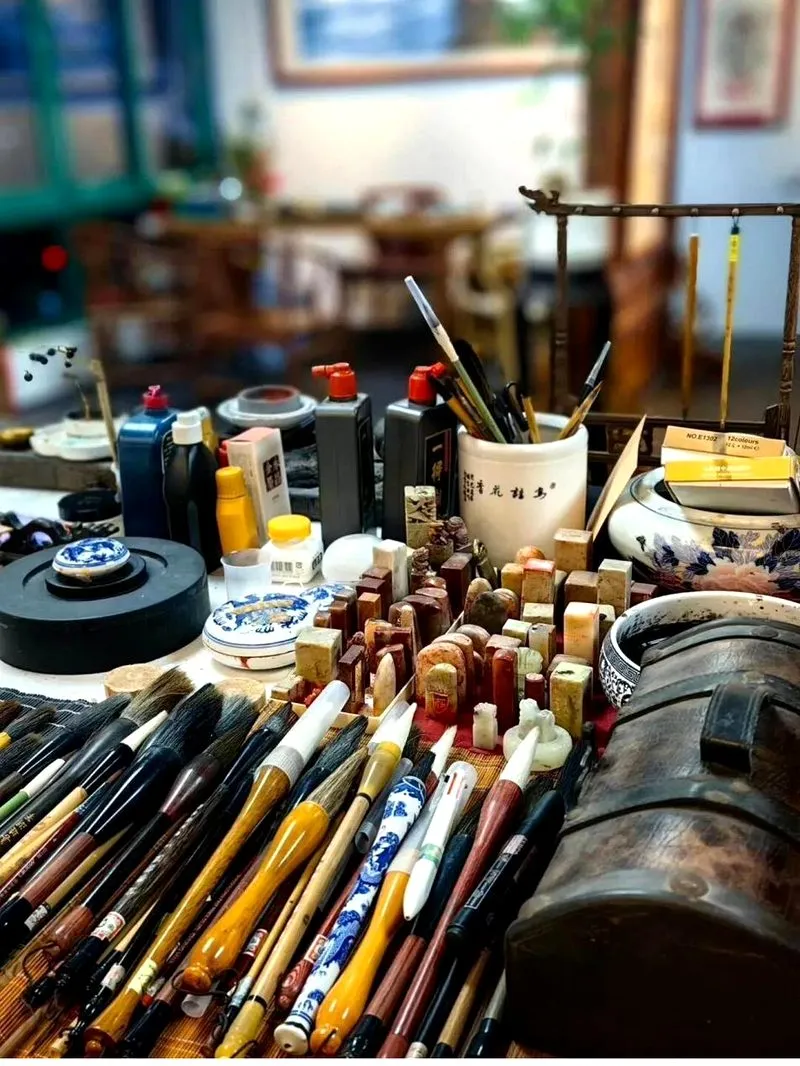
Each 春暖花开 (Chūn Nuǎn Huā Kāi) is hand-brushed to order by Artist Lina Sun in ink on rice paper — never printed, never repeated.
Bring 春暖花开 home — choose how you'd like it brushed.
-
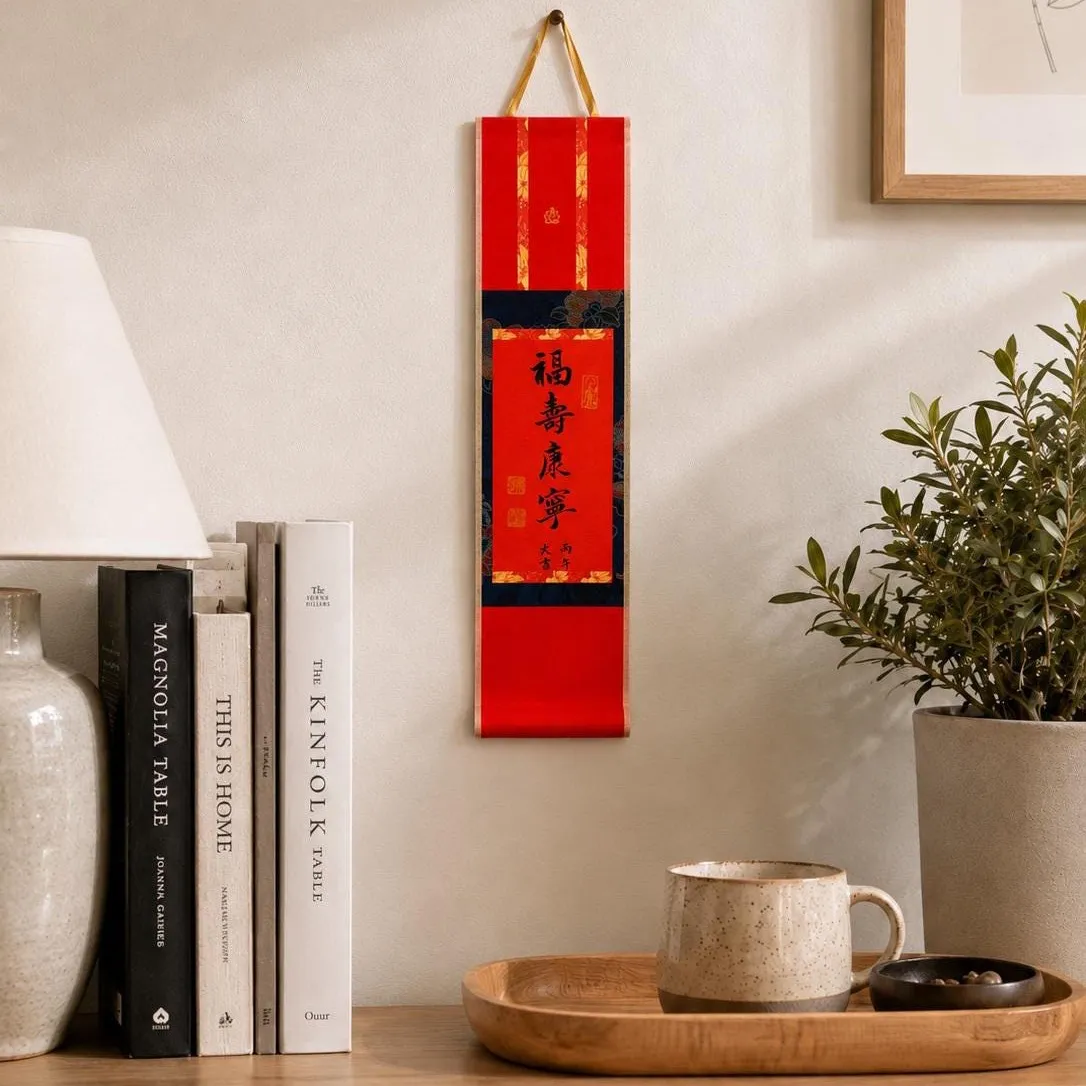
Photo shows a sample — yours will be brushed with 春暖花开, or any character you choose.
Wall Scroll — for walls & housewarmingsfrom $38→ -
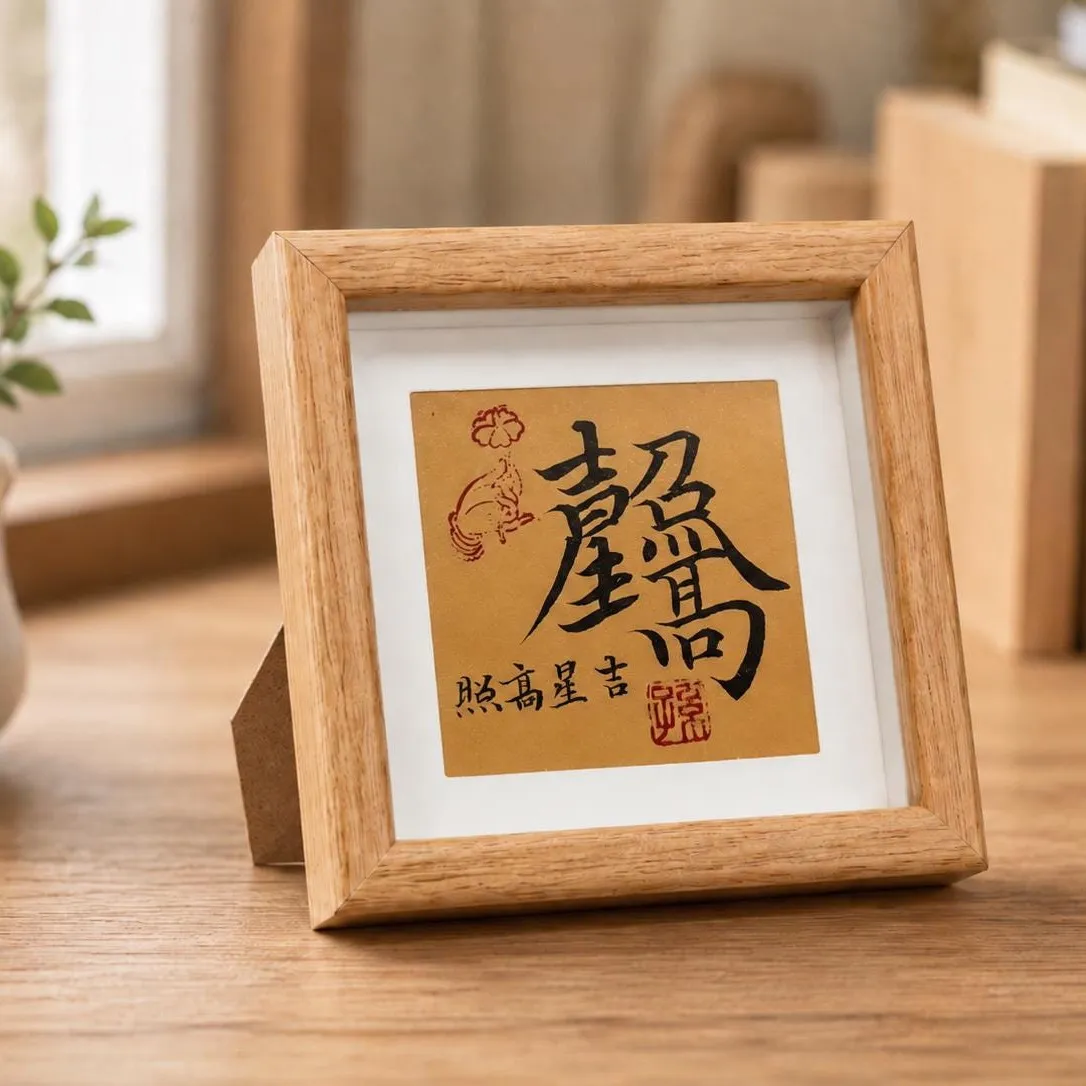
Photo shows a sample — yours will be brushed with 春暖花开, or any character you choose.
Desk Frame — for desks, studies & studiosfrom $44→ -
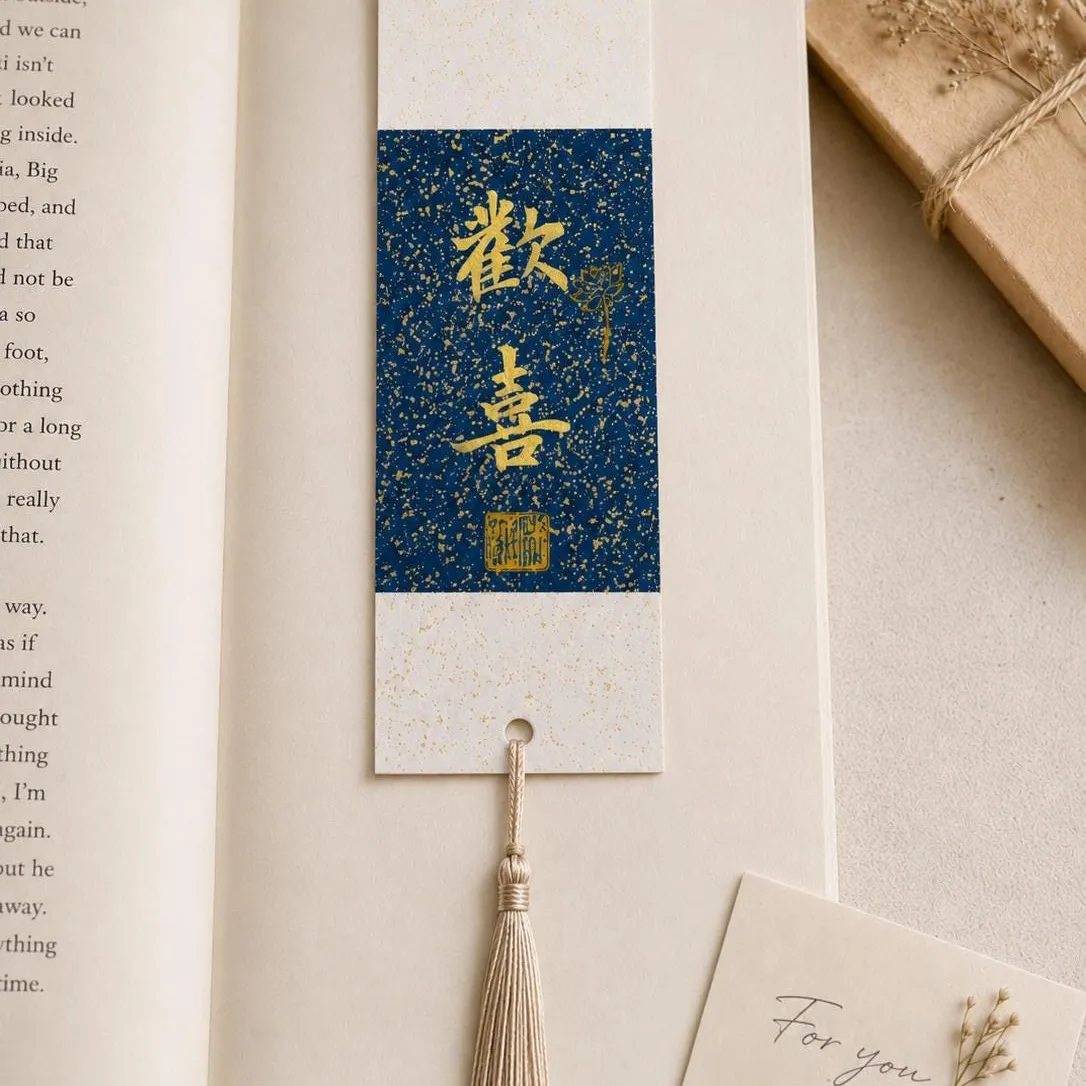
Photo shows a sample — yours will be brushed with 春暖花开, or any character you choose.
Bookmark — for readers & small thank-yousfrom $17→
What people said after it arrived.
-
The item is fantastic. The customer service was genuine. Thanks!
— M.Verified purchase · from our Etsy shop reviews · -
They were great they gave me exactly what I asked for and then some. Thank you!!
— G.Verified purchase · from our Etsy shop reviews · -
It is well designed and customized. My daughter loves it. Amazing gift for family’s d friends
— S.Verified purchase · from our Etsy shop reviews ·
Each "春暖花开" is hand-brushed by Artist Lina Sun on rice paper.
See 春暖花开 (Chūn Nuǎn Huā Kāi) on Etsy →