爱 (ài) — Love · Affection · Devotion
A single character.
Most Chinese characters name a thing, a quality, or an action. 爱 names a refusal — the refusal to walk away. Its oldest bronze-age form shows a figure mid-step, turning back, heart exposed. Three thousand years later, the character still carries that motion: someone who could leave but will not.
In Chinese homes, 爱 rarely appears on walls the way 福 or 寿 do — it lives instead in the unspoken grammar of daily life. The father who drives two hours to bring homemade dumplings. The mother who stays up altering a coat. The partner who says nothing but moves your tea closer to your hand. When 爱 does appear written, it marks an occasion where someone has decided the silence should break — a wedding, an anniversary, a moment when love needs to be said out loud.
A hand-brushed 爱 by Artist Lina Sun carries that weight of broken silence. For a wedding, it is the vow underneath all the other vows. For a parent, it says what decades of peeled fruit and packed lunches have been saying all along. For anyone you love, it is the character that turns action into ink — proof that someone paused, turned back, and stayed.
- devotion
- the refusal to walk away
- love expressed in action
- sustained care
- romance Too narrow. 爱 covers a mother's twenty-year vigil, a son's silent loyalty, a friend's quiet showing-up. Romance is one room in a much larger house.
- passion Too hot. Passion burns and goes out. 爱 is what is still there at three in the morning when the fever has broken.
- affection Too mild. Affection is a warm feeling. 爱 is a practice you sustain across decades, often without saying a word about it.
The short arms are the point: these readings don’t reach it.
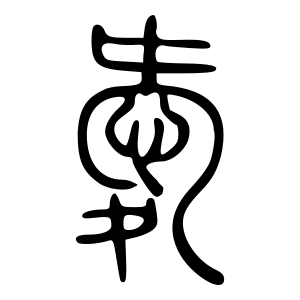
- 爪 a reaching handAt the top of the character, a downward-facing hand — someone reaching toward another, offering or taking hold. Love begins as a gesture, not a feeling.
- 冖 shelterA cover, a roof, a held space. The hand reaches not to grasp but to protect — to put something fragile under cover.
- 心 the heart (in 愛, the traditional form)The traditional character keeps a visible heart at the center. The simplified 爱 removed it — a change that still draws complaints. "Love without a heart?" Chinese people ask, only half joking.
- 夂 slow, lingering stepsAt the bottom, the radical for feet moving slowly — a person who could walk away but does not. The original meaning of 爱 was less about feeling than about the refusal to leave.
character
- 爱情 ài qíng romantic love — the specific feeling between partners
- 亲爱 qīn ài dear, beloved — the standard opening of a letter to someone close
- 爱护 ài hù to cherish and protect — love expressed as careful stewardship
- 热爱 rè ài to love passionately — used for work, country, or a calling
- 可爱 kě ài lovable, cute — literally "able to be loved"
- 爱心 ài xīn a loving heart — the disposition behind every kind act
The Story Behind the Character
The oldest surviving form of 爱, carved into bronze vessels roughly three thousand years ago, shows a figure turning back with an open heart — literally a person mid-step, pausing to look behind them. Love, in its earliest visual grammar, was not about arrival. It was about not being able to walk away.
When China's first comprehensive dictionary appeared (Shuowen Jiezi, c. 100 CE), it defined the character with a single line: 爱,行皃 — love is the way a person moves. By the Han dynasty the written form had settled into a structure layered with meaning: 爪 (a hand reaching down), 冖 (a cover or shelter), 心 (heart), and 夂 (slow steps). A heart sheltered, a hand reaching, feet that will not leave.
The traditional form, 愛, kept the heart radical (心) visible at the center of the character. When the script was simplified in the 1950s, the heart was removed — a change that still provokes jokes in China. "How can you have love without a heart?" people ask. But the oldest bronzeware forms suggest the original meaning had nothing to do with what was inside you. It was about what you did — specifically, what you refused to stop doing.
Classical lines
- roughly 1,600 years
- c. 600 BCE 《诗经·邶风·击鼓》
- c. 800 CE 孟郊《游子吟》
- c. 1040 CE 欧阳修《玉楼春》
死生契阔,与子成说。执子之手,与子偕老。 Through life and death and all the distance between, I made you a promise: to hold your hand and grow old beside you.
One of the oldest love poems in any language, sung by a soldier who feared he might not come home.
慈母手中线,游子身上衣。 A mother's needle, a wandering son's coat.
Five words that make Chinese people cry. Meng Jiao wrote this after years of failed exams, remembering his mother stitching his clothes by lamplight before he left home.
人生自是有情痴,此恨不关风与月。 People are born to be fools for love
don't blame the moonlight. — Ouyang Xiu's wry admission that love makes everyone irrational, and the scenery has nothing to do with it.
Why This Character Matters
Chinese culture has a reputation for being reserved about love, and there is truth to it — but it is a specific kind of reserve. Parents rarely say "I love you" to their children. Instead, they peel fruit at the table, show up unannounced with soup, and slip money into coat pockets. There is even a phrase for it: 含蓄的爱, love that is held inside and shown through action. A hand-brushed 爱 is powerful in this context precisely because it makes visible what is normally left unspoken.
In classical Chinese thought, 爱 extended far beyond the personal. Mozi, the philosopher who opposed Confucius on nearly everything, built his entire ethical system around 兼爱 — universal love, love without borders or favoritism. Confucians pushed back, arguing that love should start with family and radiate outward in concentric circles. That debate is twenty-four centuries old and still unresolved. But both sides agreed on the premise: 爱 is not a feeling you have. It is a practice you sustain.
爱 is the most common character Chinese people see on foreigners' tattoos. It reads as sincere if the calligraphy is good, but generic if it's in a standard font. A native speaker's first thought is usually 'at least they picked a real word' — which says more about how many wrong tattoos exist than about this one.
Calligraphy Styles for Tattoos
- Regular script (楷书 kǎishū) Best for tattoos
Clean, balanced strokes that hold up well at any size. The character's structure — hand, shelter, heart, slow steps — stays legible even when small.
- Running script (行书 xíngshū) Good for larger pieces
More fluid and expressive, but requires a skilled artist to maintain the character's internal proportions. Works well at 3+ inches.
- Cursive script (草书 cǎoshū) Only with an expert calligrapher
Dramatically simplified strokes that look beautiful but are unreadable to most Chinese speakers. High risk of the tattoo artist misinterpreting the reference.
Common Mistakes to Avoid
- Using the simplified form when the traditional 愛 was intendedIntended: Traditional form with visible heart radical
The simplified 爱 removes the heart (心) from the center. Many people specifically want the traditional 愛 because the heart is symbolically important. Confirm which version you want before the session.
Notes for Your Tattoo Artist
The traditional form 愛 has 13 strokes and requires careful spacing in the center where 心 sits. If your tattoo artist isn't comfortable with this density, go with the simplified 爱 (10 strokes) — it's perfectly valid and widely used in mainland China.
A few characters live near "爱" but mean something quieter, sharper, or more specific. Here's how to tell them apart.
a sustained refusal to walk away — quiet, long, often unspoken
the bond between specific people who stay through everything
what makes you stay — devotion that may or may not be honest about itself
what makes you the same in private as in public — alignment, not attachment
Full comparison →Real people who chose "爱" — tattooed, collected, or carried with them.
- Stephon Marbury NBA star, Beijing Ducks legend爱就是爱 (ài jiù shì ài) — Love is LoveMarbury tattooed 爱就是爱 across his right torso after falling in love with Beijing during his CBA years. He also has 北京王朝 (Beijing Dynasty) on his left torso and his Chinese name 马布里 on his left arm — three declarations of love for a city that adopted him as one of its own. He eventually became a Chinese citizen.
- Nicki Minaj Grammy-nominated rapper上帝与你常在 (shàng dì yǔ nǐ cháng zài) — God is Always With YouMinaj got this phrase — a Chinese-language Christian blessing — on her upper left arm at age 16. It was her first tattoo, paid for herself. She later said she regretted doing it so young: "You have no idea what you want to put on your body at 16." The sentiment, though, is one she has never disowned.
A blessing for two people building a life together — for love that deepens through the years.
- A blessing for two people building a life together — for love that deepens through the years.
- A way to mark the years and the quiet devotion they hold — love expressed in ink, not words.
- Beyond flowers and chocolates — a meaningful gesture for the one who holds your heart.
- For the parents whose love has shaped you. "爱" is a gentle way to say what is hard to put into words.
Wife · Husband · Mom · Dad · Partner · Girlfriend · Boyfriend · Best Friend · or yourself
爱 is one of the characters we use to write Western names in Chinese. See it at work:
-
What does 爱 (ài) mean?
爱 (ài) is the Chinese character for love, affection, devotion. Most Chinese characters name a thing, a quality, or an action. 爱 names a refusal — the refusal to walk away. Its oldest bronze-age form shows a figure mid-step, turning back, heart exposed. Three thousand years later, the character still carries that motion: someone who could leave but will not. Chinese culture has a reputation for being reserved about love, and there is truth to it — but it is a specific kind of reserve. Parents rarely say "I love you" to their children. Instead, they peel fruit at the table, show up unannounced with soup, and slip money into coat pockets. There is even a phrase for it: 含蓄的爱, love that is held inside and shown through action. A hand-brushed 爱 is powerful in this context precisely because it makes visible what is normally left unspoken.
-
What occasions is 爱 given for?
爱 is traditionally given for Wedding, Anniversary, Valentine's Day, Mother's Day · Father's Day. A blessing for two people building a life together — for love that deepens through the years. A way to mark the years and the quiet devotion they hold — love expressed in ink, not words.
-
Is 爱 a good Chinese tattoo?
爱 is the most common character Chinese people see on foreigners' tattoos. It reads as sincere if the calligraphy is good, but generic if it's in a standard font. A native speaker's first thought is usually 'at least they picked a real word' — which says more about how many wrong tattoos exist than about this one.
-
Who brushes the 爱 calligraphy?
Each 爱 (Ài) is hand-brushed to order by Artist Lina Sun in ink on rice paper — never printed, never repeated.
Bring 爱 home — choose how you'd like it brushed.
-
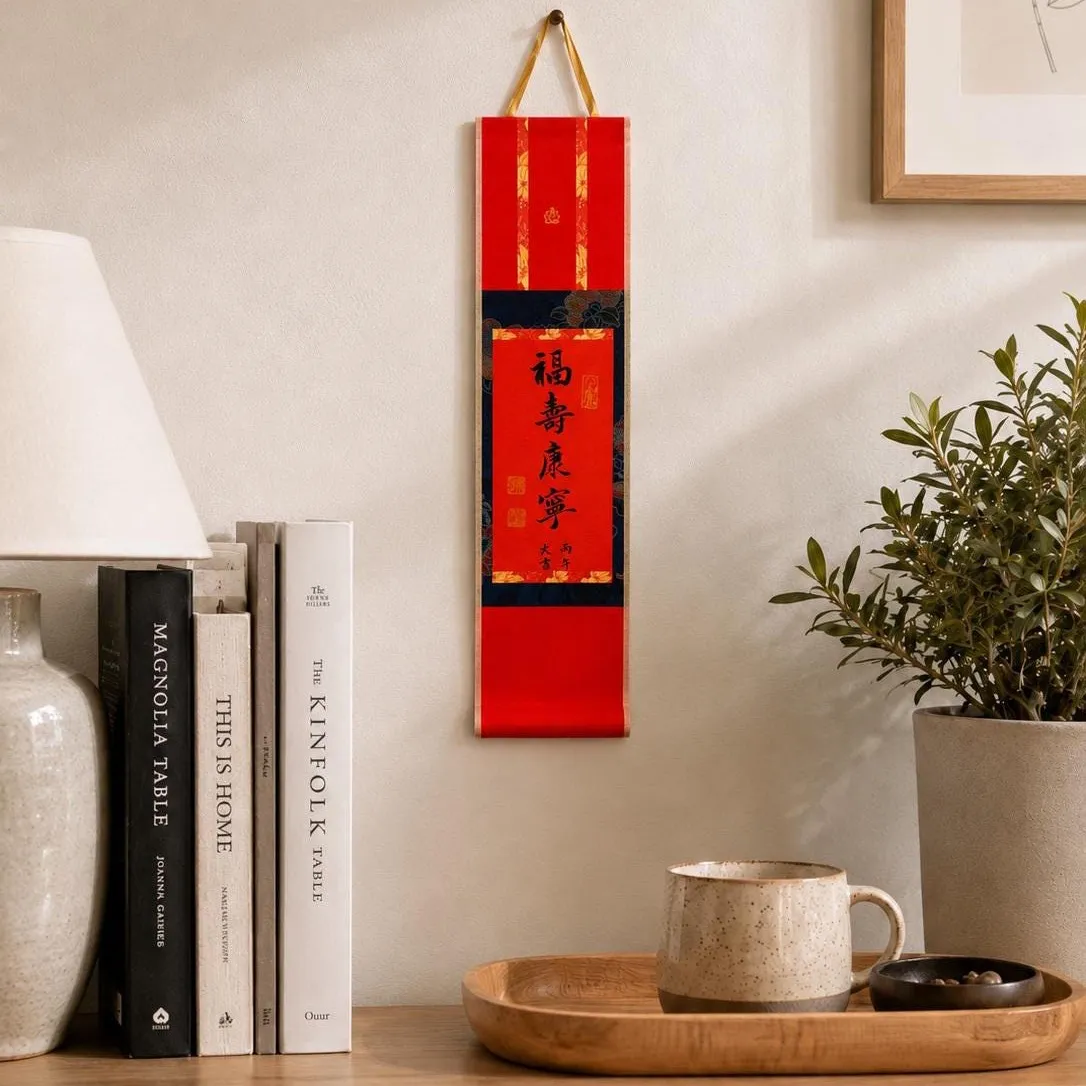
Photo shows a sample — yours will be brushed with 爱, or any character you choose.
Wall Scroll — for walls & housewarmingsfrom $38→ -
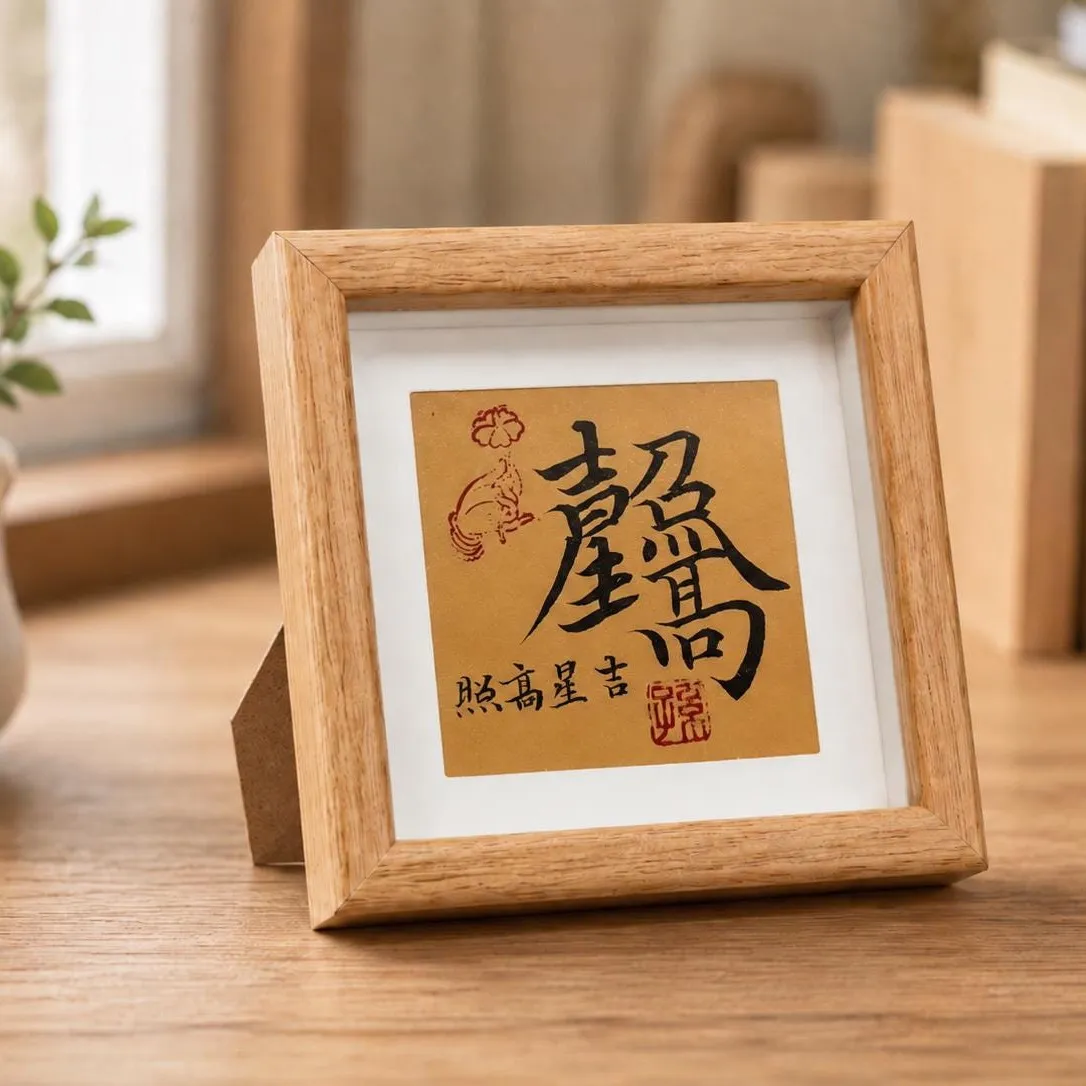
Photo shows a sample — yours will be brushed with 爱, or any character you choose.
Desk Frame — for desks, studies & studiosfrom $44→ -
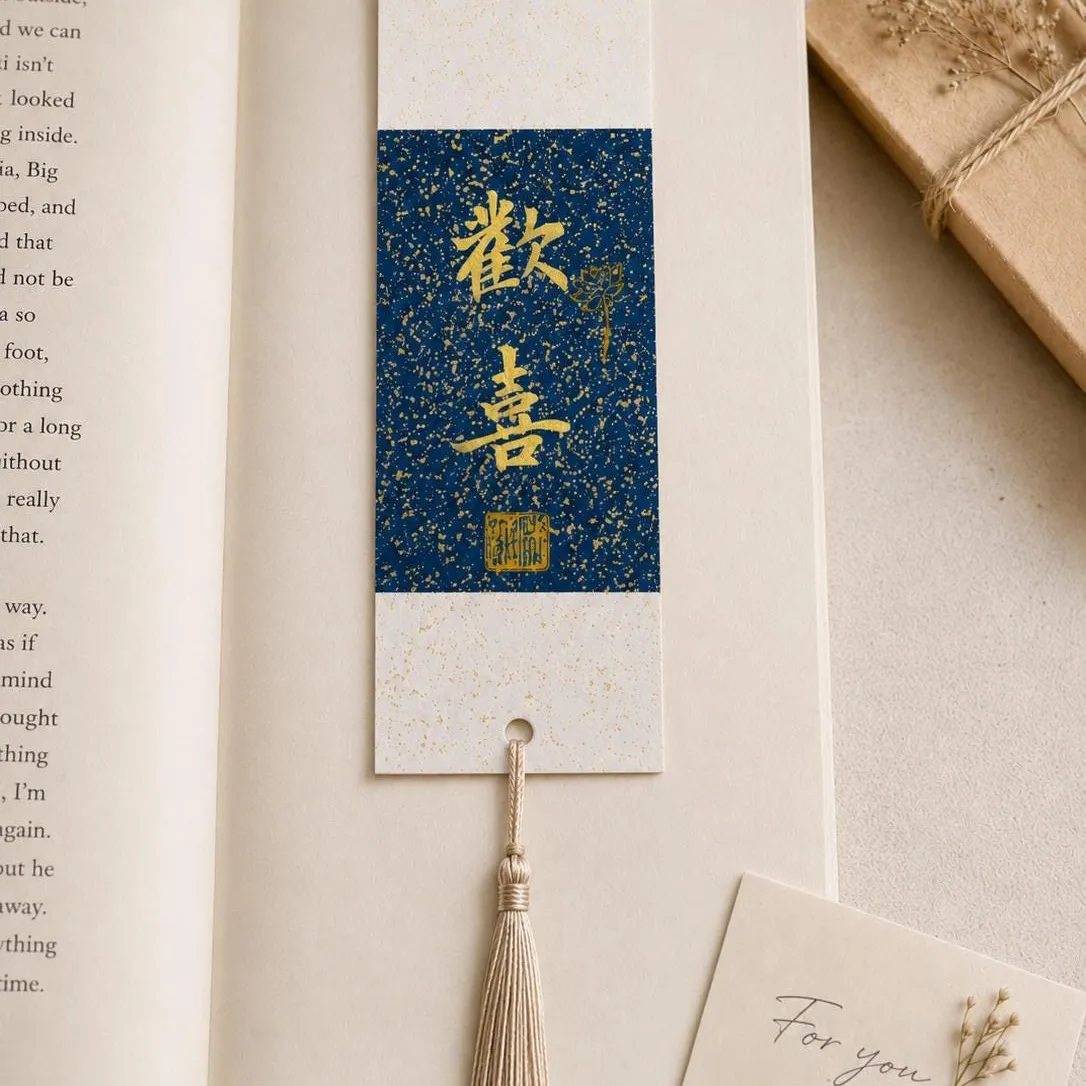
Photo shows a sample — yours will be brushed with 爱, or any character you choose.
Bookmark — for readers & small thank-yousfrom $17→
What people said after it arrived.
-
The item is fantastic. The customer service was genuine. Thanks!
— M.Verified purchase · from our Etsy shop reviews · -
They were great they gave me exactly what I asked for and then some. Thank you!!
— G.Verified purchase · from our Etsy shop reviews · -
It is well designed and customized. My daughter loves it. Amazing gift for family’s d friends
— S.Verified purchase · from our Etsy shop reviews ·
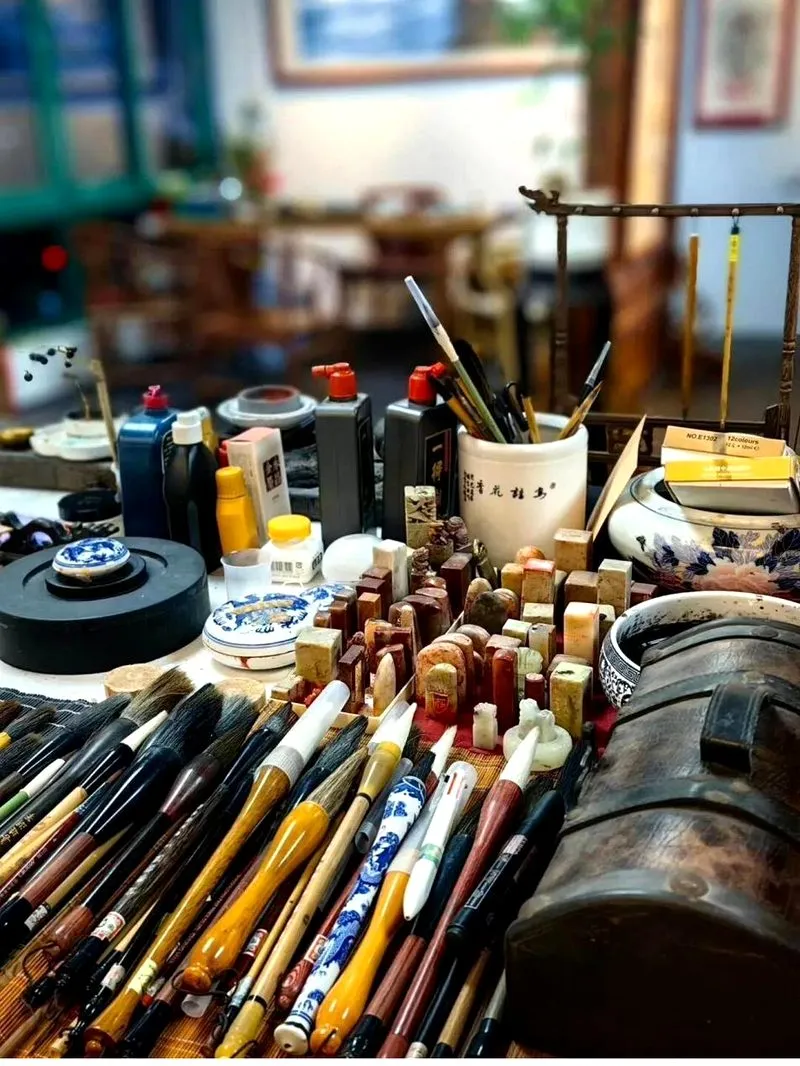
Each "爱" is hand-brushed by Artist Lina Sun on rice paper.
See 爱 (Ài) on Etsy →