圆满 (yuán mǎn) — Completeness · Fulfillment · Perfect Wholeness
A two-character word, not a single character.
满 on its own is the brim — a cup filled to its lip, a measure that can hold no more. 圆 is the closed circle, the line that returns to itself with no corner and no gap. 圆满 binds the two, and the result is completeness along both axes at once: full in measure and whole in shape, a thing that lacks neither a portion nor a part. That is what sets it apart from 美满, which adds beauty to fullness, or from 成功, which only marks a goal reached. 圆满 names the manner of an ending — finished cleanly, brought all the way round, with no one short-changed and no thread left loose.
The word’s homeliest emblem is the full moon. On the fifteenth of the eighth month families travel home for Mid-Autumn, eat round mooncakes under the year’s roundest moon, and call the gathering 团圆 — “round reunion,” the family circle briefly unbroken. From that image 圆满 reaches into every kind of completion: a wedding is 圆满 when two families are joined without a hitch, a long marriage is 圆满 when a couple reach old age with the circle still closed, even a meeting ends 圆满 when it leaves no one wanting. The pair itself came from the Tang Buddhist translators, who joined 圆 to 满 to render “perfectly complete” — 功德圆满 — before the word slipped into ordinary speech. Its wedding cousin is 花好月圆 — a union as complete as flowers in bloom under a round moon. See 花好月圆 →
A hand-brushed “圆满” by Artist Lina Sun is the gift for a wedding or an anniversary — for the husband, the wife, or the new couple whose life together you want to see come full and whole. It does not wish them excitement or a windfall; it wishes them the rarer, rounder thing — a life with nothing missing, the circle closed, full as the harvest moon.
- completeness — a whole with no part missing
- fullness — a measure filled to the brim
- a satisfying conclusion, nothing left wanting
- the unbroken family circle — reunion
- perfect Perfection implies a flawless surface. 圆满 is about wholeness, not flawlessness — 大成若缺, "great completeness looks unfinished"; the tradition prized a roundness with a little give in it over a brittle perfect one.
- full 满 alone is the brim — a single measure topped up. 圆满 adds 圆, the closed circle: not just full but whole, complete in shape as well as in quantity.
- successful 成功 names a goal achieved. 圆满 names the manner of it — finished cleanly, leaving no one short and no thread loose. A success can still be 圆满, or not.
The short arms are the point: these readings don’t reach it.
- 圆 round / whole / the closed circle囗 (an enclosing wall) around 员 (the round mouth of a bronze vessel). 《说文》: 圜全也 — round, and whole. Roundness as completeness made visible, the figure with nothing left undone.
- 满 full / brimming / filled to the rim氵 (water) beside 㒼 (a vessel filled to its lip). Fullness in the most physical sense — level with the brim, unable to take one more drop. Where 圆 closes the shape, 满 tops up the measure.
characters
- 团圆 tuán yuán round reunion — the family gathered whole, the everyday face of 圆满 at festivals
- 美满 měi mǎn happy and complete — the word for a fulfilled marriage or home, 满 with beauty added
- 圆梦 yuán mèng to round out a dream — to see a long-held wish finally completed
- 功德圆满 gōng dé yuán mǎn merit brought to full completion — the Buddhist phrase the pair first came from
- 花好月圆 huā hǎo yuè yuán flowers fair, moon round — the wedding blessing for a union as complete as the full moon
The Story Behind the Character
Draw a circle and your hand returns to where it began — no corner, no loose end, a line that closes on itself. That returning shape is what 圆 names. The character pictures it twice over: 囗, an enclosing wall, wrapped around 员 (yuán), which began as the round mouth of a bronze 鼎 drawn from above as a perfect ring. 《说文》 reads 圆 as 圜全也 — "round, and whole." To the Chinese eye roundness was never only a shape; it was completeness made visible, the figure with nothing left sticking out and nothing left undone.
满 (滿) carries water. Its 氵 is the water radical and its 㒼 a vessel filled to the lip, so the character means full in the most physical sense — brimming, level with the rim, unable to take one more drop. Where 圆 closes a shape, 满 tops up a measure. Bound together the two cover both axes of completeness at once: 圆 that the thing is whole, its circle unbroken; 满 that it is full, its measure reaching the brim. A 圆满 outcome lacks neither a part nor a portion.
The pair stepped into Chinese from the Buddhist translators of the Tang, who needed a word for paripūrṇa, "perfectly complete," and joined 圆 to 满 to carry it — 功德圆满, merit brought to its full round close. From the temple the word spread into ordinary speech until it could crown anything finished well: a 圆满 wedding, a 圆满 answer, a life looked back on as 圆满. Its homeliest emblem is the full moon — 月圆 — the night each month when the disc completes itself and families gather beneath it, the sky itself briefly 圆满.
Classical lines
- roughly 1,400 years
- c. 4th c. BCE 《周易·系辞上》
- c. 4th c. BCE 《道德经》第四十五章
- 1076 《水调歌头》苏轼
人有悲欢离合,月有阴晴圆缺,此事古难全。 People know parting and reunion, the moon its bright nights and its dark
to make the whole thing perfect has been hard since old times. — Su Shi wrote this at the Mid-Autumn moon, far from his brother; the line names exactly the longing 圆满 answers, the wish that the circle close and nothing be left wanting.
范围天地之化而不过,曲成万物而不遗。 It encompasses the transformations of heaven and earth without overstepping, and completes all things without leaving one out.
The Great Commentary's picture of a perfect order; 不遗, "leaving none out," is 圆满 in two characters — completion that overlooks nothing and finishes everything it begins.
大成若缺,其用不弊。 The greatest completeness looks unfinished, yet its usefulness never wears out.
Laozi's caution against brittle perfection: true 圆满 is not a flawless surface that cracks under use but a wholeness supple enough to last. The fullest things keep a little give in them.
Why This Character Matters
The roundest day in the Chinese year is the fifteenth of the eighth lunar month — Mid-Autumn — when the moon comes fullest and families travel home to eat round mooncakes under a round moon, the whole evening organized around the shape of 圆. 团圆, "round reunion," is the festival's word for the gathering, and 圆满 is what a household hopes the gathering proves: that the circle of the family is unbroken, everyone present, nothing missing.
Because the word marks completion, 圆满 attaches to endings more than beginnings. A wedding is called 圆满 when two families are joined without a hitch; a long marriage is 圆满 when the couple reach old age together with the circle still closed; even a meeting or a deal is 圆满 when it finishes leaving no one short-changed. The wish is not for excitement or increase but for the satisfying shape of a thing brought all the way round — full as the harvest moon, with no gap where something should be.
A few characters live near "圆满" but mean something quieter, sharper, or more specific. Here's how to tell them apart.
completeness specifically — a whole brought all the way round, nothing left out
the whole good life — health, peace, family, a good end — of which a 圆满 outcome is one happy shape
the finished whole — the circle closed, the thing arrived at its complete state
the smooth road there — a path without snags, going the right way, whether or not it has yet arrived
An anniversary measures a marriage by the years it has come round, and 圆满 is the wish for that circle to keep closing — that the couple reach each turning with nothing missing, the life they share full as well as long.
- An anniversary measures a marriage by the years it has come round, and 圆满 is the wish for that circle to keep closing — that the couple reach each turning with nothing missing, the life they share full as well as long. Where 百年好合 wishes a hundred harmonious years and 长寿 wishes the years themselves, 圆满 wishes the shape of them: not just time together but a togetherness that comes out whole, the round arrived at and held.
- A wedding is the day two families are joined, and the word a household most hopes to hear about it afterward is 圆满 — that it went off without a hitch, the circle closed cleanly, nothing left wanting. 圆满 wishes the new marriage that same wholeness for the long run: a life together that comes full, where the parts all arrive and the measure reaches the brim. It is the round-moon wish behind 花好月圆, said plainly.
- Valentine's Day celebrates love at its warmest, and 圆满 names what that love hopes finally to become — not a spark but a completed whole, two lives brought all the way round with no gap where something should be. The wish is quieter than romance and longer: not the thrill of the beginning but the satisfying shape of a love that lasts until the circle is full, the moon at the fifteenth rather than the first.
Husband · Wife · New Couple · or yourself
Looking for a name? See Western names written in Chinese →
-
What does 圆满 (yuán mǎn) mean?
圆满 (yuán mǎn) is a two-character Chinese word for completeness, fulfillment, perfect wholeness. 满 on its own is the brim — a cup filled to its lip, a measure that can hold no more. 圆 is the closed circle, the line that returns to itself with no corner and no gap. 圆满 binds the two, and the result is completeness along both axes at once: full in measure and whole in shape, a thing that lacks neither a portion nor a part. That is what sets it apart from 美满, which adds beauty to fullness, or from 成功, which only marks a goal reached. 圆满 names the manner of an ending — finished cleanly, brought all the way round, with no one short-changed and no thread left loose. The roundest day in the Chinese year is the fifteenth of the eighth lunar month — Mid-Autumn — when the moon comes fullest and families travel home to eat round mooncakes under a round moon, the whole evening organized around the shape of 圆. 团圆, "round reunion," is the festival's word for the gathering, and 圆满 is what a household hopes the gathering proves: that the circle of the family is unbroken, everyone present, nothing missing.
-
What occasions is 圆满 given for?
圆满 is traditionally given for Anniversary, Wedding, Valentine's Day. An anniversary measures a marriage by the years it has come round, and 圆满 is the wish for that circle to keep closing — that the couple reach each turning with nothing missing, the life they share full as well as long. Where 百年好合 wishes a hundred harmonious years and 长寿 wishes the years themselves, 圆满 wishes the shape of them: not just time together but a togetherness that comes out whole, the round arrived at and held. A wedding is the day two families are joined, and the word a household most hopes to hear about it afterward is 圆满 — that it went off without a hitch, the circle closed cleanly, nothing left wanting. 圆满 wishes the new marriage that same wholeness for the long run: a life together that comes full, where the parts all arrive and the measure reaches the brim. It is the round-moon wish behind 花好月圆, said plainly.
-
Who brushes the 圆满 calligraphy?
Each 圆满 (Yuán Mǎn) is hand-brushed to order by Artist Lina Sun in ink on rice paper — never printed, never repeated.
Bring 圆满 home — choose how you'd like it brushed.
-
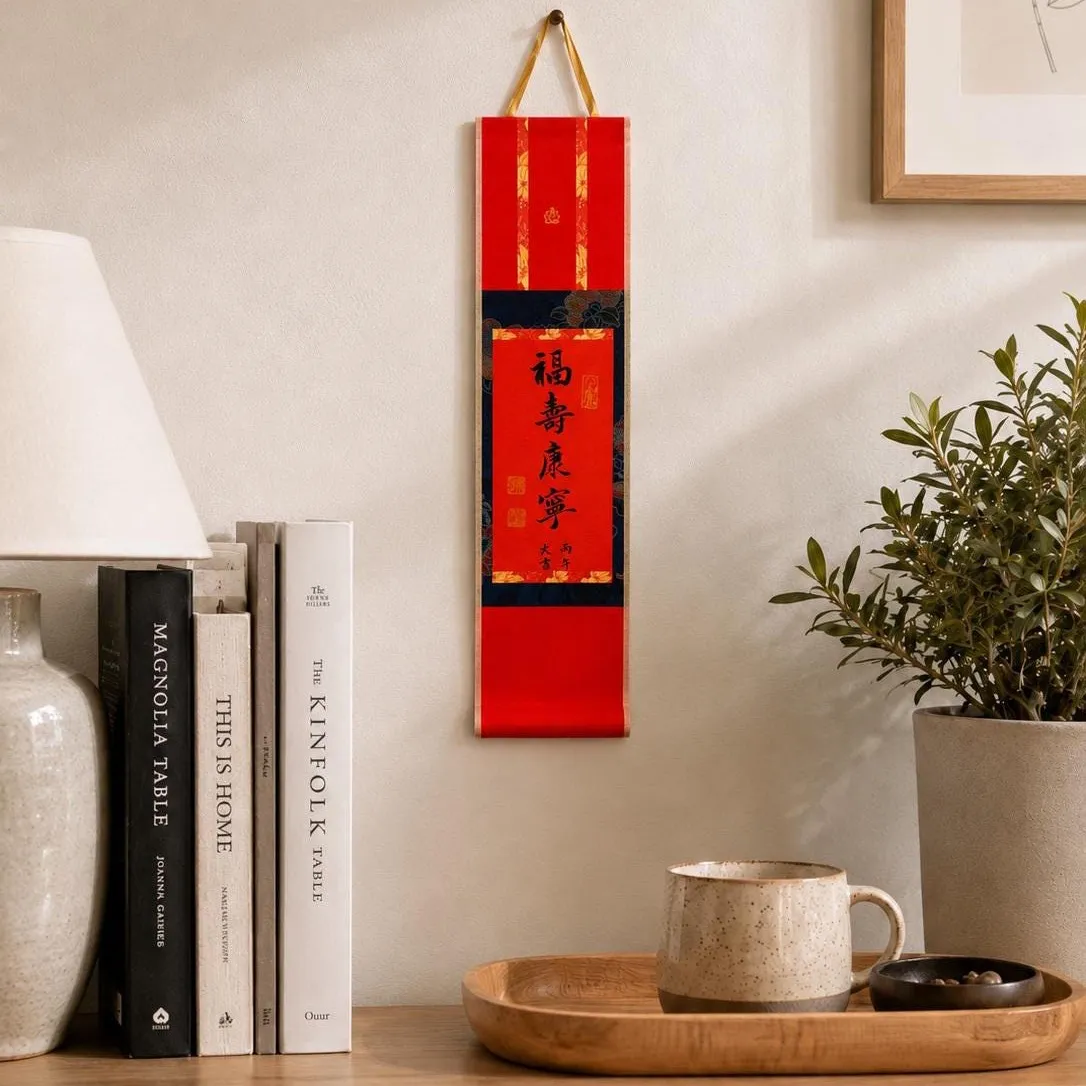
Photo shows a sample — yours will be brushed with 圆满, or any character you choose.
Wall Scroll — for walls & housewarmingsfrom $38→ -
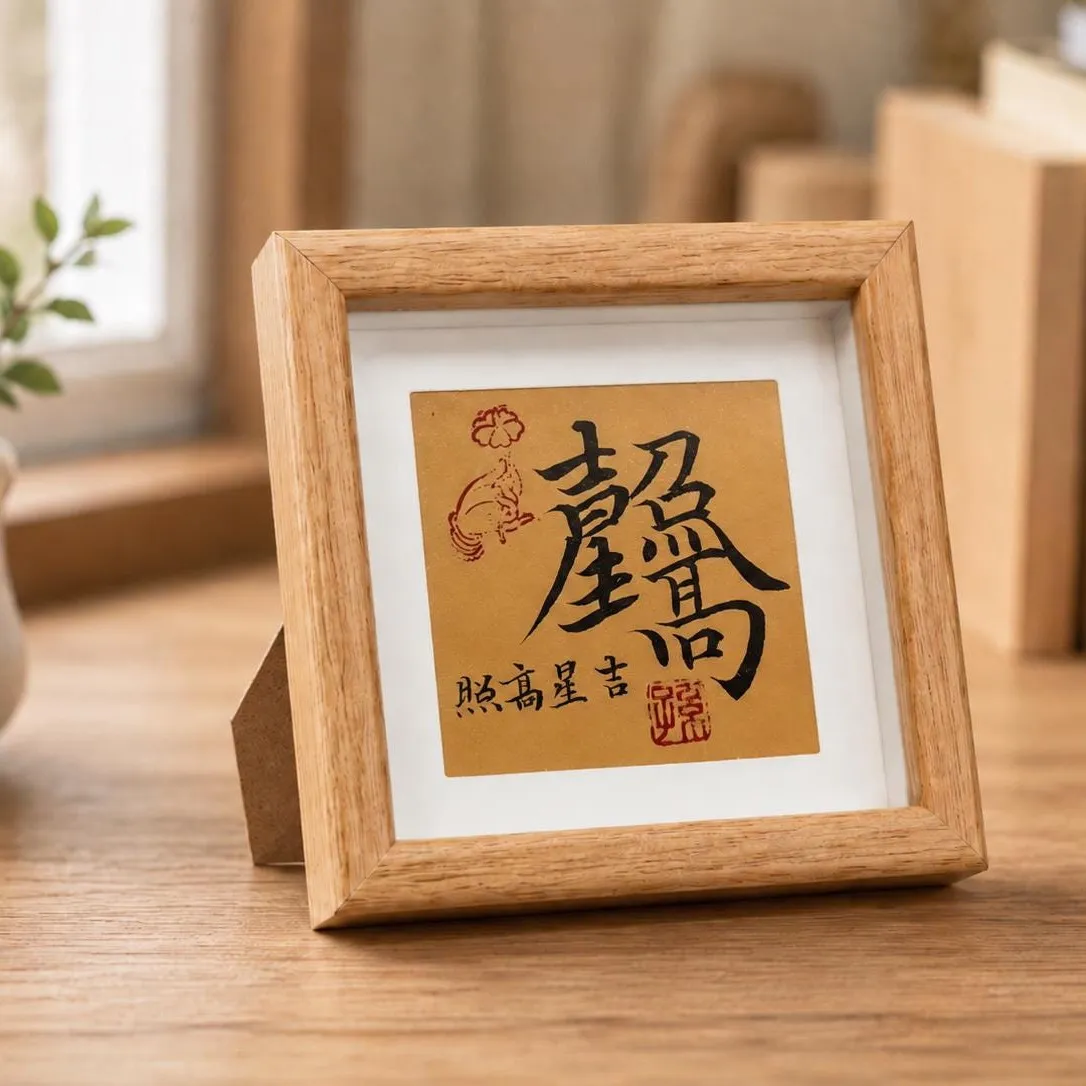
Photo shows a sample — yours will be brushed with 圆满, or any character you choose.
Desk Frame — for desks, studies & studiosfrom $44→ -
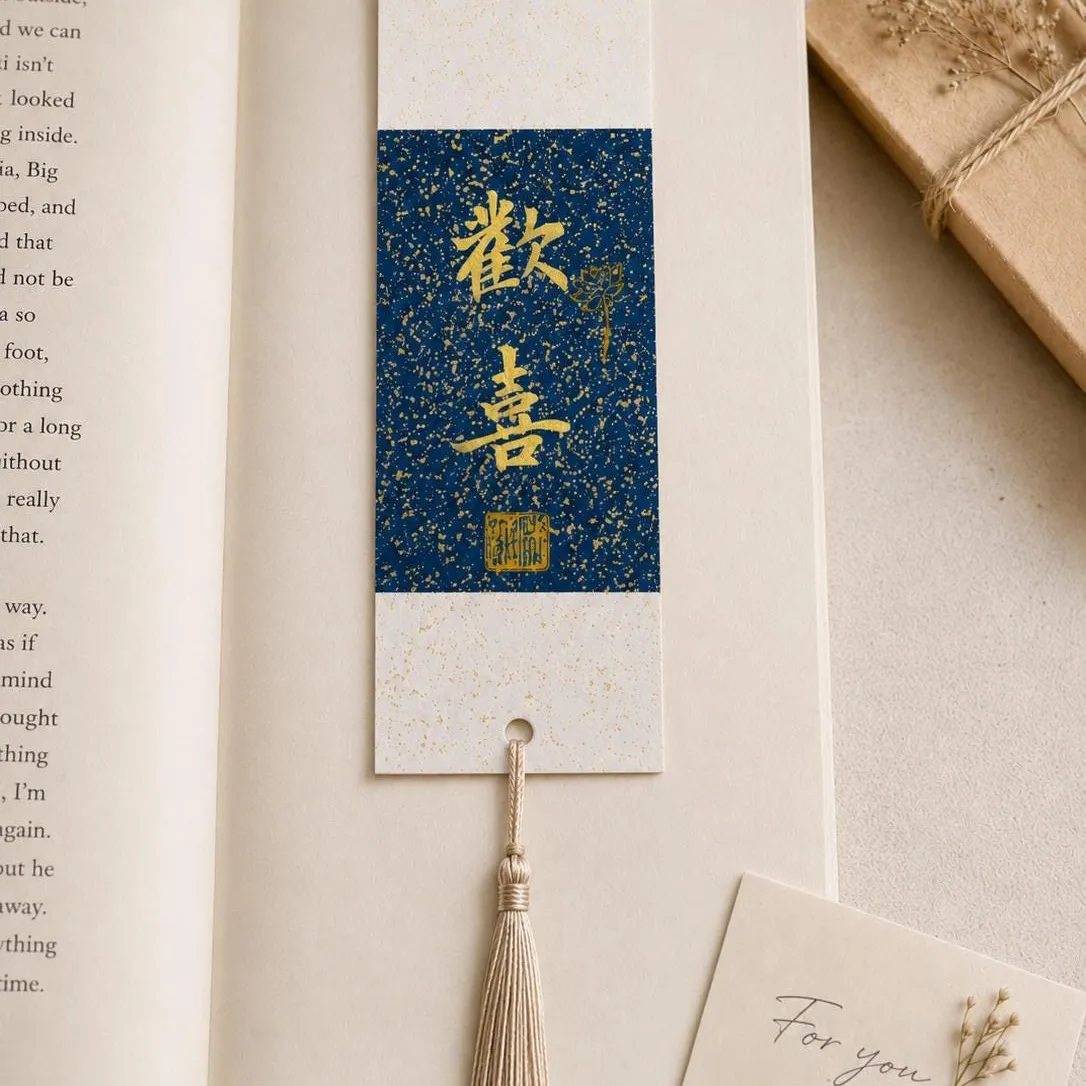
Photo shows a sample — yours will be brushed with 圆满, or any character you choose.
Bookmark — for readers & small thank-yousfrom $17→
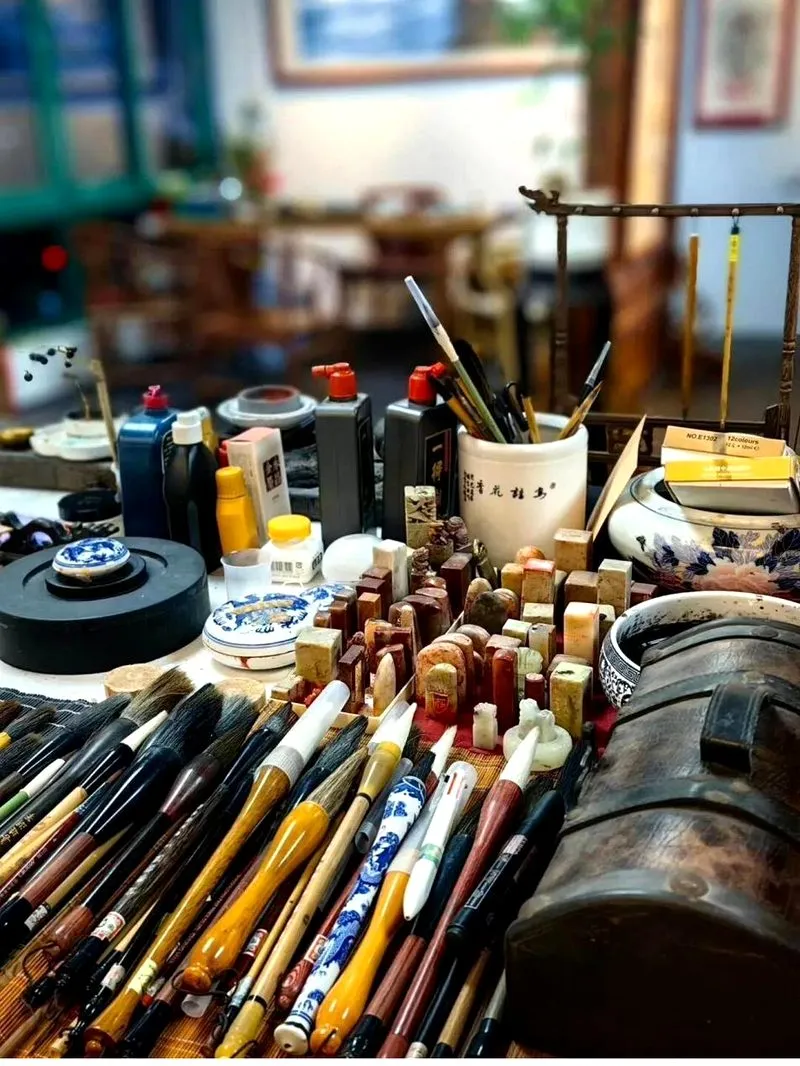
What people said after it arrived.
-
The item is fantastic. The customer service was genuine. Thanks!
— M.Verified purchase · from our Etsy shop reviews · -
They were great they gave me exactly what I asked for and then some. Thank you!!
— G.Verified purchase · from our Etsy shop reviews · -
It is well designed and customized. My daughter loves it. Amazing gift for family’s d friends
— S.Verified purchase · from our Etsy shop reviews ·
Each "圆满" is hand-brushed by Artist Lina Sun on rice paper.
See 圆满 (Yuán Mǎn) on Etsy →