天伦之乐 (tiān lún zhī lè) — Kinship Joy · The Gladness Inside the Bond
A 4-character phrase, not a single character.
What these four characters keep naming is the gladness inside a kinship bond — parents and children, brothers and cousins — not a closed door and not a counted century. 天伦 picks out the natural relation; 乐 picks out the joy that belongs to it. Moedict’s English is plain: family love and joy, domestic bliss. Against See 阖家欢乐 →, which needs the household complete, this phrase can still be true at a farmhouse table. Against See 乐 →, which can bless any glad year, this one ties the gladness to kinship and will not float free of it.
Li Bai already used the halves in a cousin garden — 序天伦之乐事 — and Qing fiction keeps the same four characters when an imperial daughter tells her father that salt-pickles and plain cloth can still gather 天伦之乐 while empty rank cannot. That double register is why the phrase still works on a parent’s birthday and on a New Year wall without borrowing wealth language. The dictionaries describe family joy; they do not license luck or prosperity talk.
A hand-brushed “天伦之乐” by Artist Lina Sun suits the mom or dad whose bond you want named as gladness rather than duty, and the grandparent whose New Year or birthday should hear kinship joy instead of another longevity line. It does not forecast the household’s fortune. It names the gladness you can already feel across the table.
- the joy of family gathered — Moedict / Ministry gloss
- gladness that belongs to natural kinship bonds
- what a farmhouse can still gather when rank cannot
- the 乐事 Li Bai sets out among cousins in a garden
- whole-household reunion joy That is closer to 阖家欢乐 — door shut, everyone inside, the gathering complete. 天伦之乐 names the kinship feel, which can be true at a small table.
- a household's enduring well-being 阖家幸福 wishes durable shared happiness across years. This phrase names the gladness of the bond itself, not the life-outcome.
- everyone home, no empty seat 团圆 is the closed circle of return. 天伦之乐 can be said without a travel story; it is about who you are to each other, not whether every seat filled.
- good luck for the family Dictionaries describe kinship joy. They do not license a fortune or prosperity effect, and this page does not add one.
The short arms are the point: these readings don’t reach it.
- 天 naturalHere not the sky as weather, but the natural half of 天伦 — kinship that arrives by birth order rather than by contract.
- 伦 kinship-orderTraditional 倫. The ordered relations of a family — father and son, elder and younger — which dictionaries gloss as natural ethical bonds.
- 之 ofThe classical linker: joy of the kinship, not a third free noun. Keeps 乐 attached to 天伦 as its object.
- 乐 joyTraditional 樂. The gladness named; already in the library as the single 乐. Here it is kinship joy, not music and not generic happiness.
characters
- 天伦 tiān lún natural kinship bonds — the first half that 之乐 attaches to
- 天伦乐 tiān lún lè dictionary-marked 也作 form without 之
- 伦常 lún cháng the standing ethical order of family relations — related sense, shares 伦
- 团圆 tuán yuán the family gathered whole — near in New Year use; shares no character with 天伦之乐
Cinnabar marks the characters 天伦之乐 actually contains. The dark row is a relative by meaning or by sound, not one shared stroke.
The Story Behind the Character
Moedict and the Ministry's Revised Mandarin dictionary gloss 天伦之乐 as the joy of the family gathered — 家人團聚時的歡樂 — and mark 天伦乐 as 也作. They do not invent a pre-Qin four-character origin: the living idiom is treated as ordinary kinship speech. The Ministry's stock example is from 《红楼梦》第十七至十八回, where Yuanchun, home as an imperial consort, tells her father that a farmhouse of salt-pickles and plain cloth can still gather 天伦之乐, while rank without that gathering has no real interest.
The pieces are older than the fixed four characters. 天伦 alone is the natural order of kinship — father and son, elder and younger brothers — which Moedict illustrates from 《谷梁传》 and later historiographical prose. In Tang, Li Bai's spring-night preface for a gathering of cousins in a peach-and-plum garden already joins the halves: 会桃李之芳园,序天伦之乐事 — meet in the fragrant garden, and set out the glad affairs of kinship. Wikisource notes a 桃花 / 桃李 title and line variant; the sense is the same. Later speech shortened 乐事 into the compact object 天伦之乐.
Structurally the phrase is 天伦 + 之 + 乐: the joy of the kinship bond, not joy in general and not a household completeness check. That is why it can name a quiet weekday table as honestly as a New Year reunion.
Classical lines
- roughly 1,000 years
- c. 8th c. CE 唐·李白《春夜宴桃李园序》
- c. 18th c. CE 清·曹雪芹《红楼梦》第十八回
会桃李之芳园,序天伦之乐事。 We meet in the fragrant peach-and-plum garden and set out the glad affairs of kinship.
Cousins, not a state ritual: 天伦 here is the natural bond among brothers and cousins, and 乐事 is the joy worth arranging an evening around.
田舍之家,虽齑盐布帛,终能聚天伦之乐。 A farmhouse family, though it has only salt-pickles and plain cloth, can still gather the joy of kinship.
Spoken by Yuanchun to her father after her imperial visit home: rank without that gathering, she says, has no real interest.
Why This Character Matters
In gift Chinese the four characters sit next to 阖家欢乐 and 阖家幸福 without doing their jobs. Those two bless the household as a unit — the door shut and everyone inside, or a durable good life shared. 天伦之乐 points at the felt quality inside the bond: parents and children, brothers and cousins, the gladness that belongs to being kin. A New Year card can carry it; so can a birthday for a parent who does not need another longevity wish.
Calligraphy gifts reach for it when the point is the relationship rather than the roster. Li Bai's garden scene is cousins talking; the Dream of the Red Chamber line is a daughter telling her father that plain kinship joy outranks empty rank. Both keep the phrase on the human scale of who sits across from you.
A few characters live near "天伦之乐" but mean something quieter, sharper, or more specific. Here's how to tell them apart.
Joy of the kinship bond — can be true at a small or incomplete table.
Joy of the whole household present — the door shut, everyone inside.
Names the felt gladness inside family relations.
Names durable well-being for the household as a whole life.
Kinship joy as a quality of the bond.
The gathering-whole — everyone returned, the circle closed.
A parent or grandparent's birthday is the one day the house is allowed to say out loud what the bond feels like.
- A parent or grandparent's birthday is the one day the house is allowed to say out loud what the bond feels like. 天伦之乐 does not count years (长寿) and does not grade duty (孝). It names the gladness that belongs to the kinship itself — the same quality Jia Yuanchun contrasts with empty rank when she says even a farmhouse with salt and cloth can still gather it. For the birthday where the true gift is naming that the relation still feels like joy.
- New Year vocabulary often points at a full table (团圆) or a closed door with everyone inside (阖家欢乐). 天伦之乐 names a different layer: the joy of the natural bonds in the room, whether the roster is complete or the house is small. Dictionaries gloss it as the gladness of family gathered; the gift keeps that kinship feel without promising wealth or luck for the year ahead.
Mom · Dad · Grandparent · or yourself
Looking for a name? See Western names written in Chinese →
-
What does 天伦之乐 (tiān lún zhī lè) mean?
天伦之乐 (tiān lún zhī lè) is a 4-character Chinese phrase for kinship joy, the gladness inside the bond. What these four characters keep naming is the gladness inside a kinship bond — parents and children, brothers and cousins — not a closed door and not a counted century. 天伦 picks out the natural relation; 乐 picks out the joy that belongs to it. Moedict's English is plain: family love and joy, domestic bliss. Against See 阖家欢乐 →, which needs the household complete, this phrase can still be true at a farmhouse table. Against See 乐 →, which can bless any glad year, this one ties the gladness to kinship and will not float free of it. In gift Chinese the four characters sit next to 阖家欢乐 and 阖家幸福 without doing their jobs. Those two bless the household as a unit — the door shut and everyone inside, or a durable good life shared. 天伦之乐 points at the felt quality inside the bond: parents and children, brothers and cousins, the gladness that belongs to being kin. A New Year card can carry it; so can a birthday for a parent who does not need another longevity wish.
-
What occasions is 天伦之乐 given for?
天伦之乐 is traditionally given for Birthday, Chinese New Year. A parent or grandparent's birthday is the one day the house is allowed to say out loud what the bond feels like. 天伦之乐 does not count years (长寿) and does not grade duty (孝). It names the gladness that belongs to the kinship itself — the same quality Jia Yuanchun contrasts with empty rank when she says even a farmhouse with salt and cloth can still gather it. For the birthday where the true gift is naming that the relation still feels like joy. New Year vocabulary often points at a full table (团圆) or a closed door with everyone inside (阖家欢乐). 天伦之乐 names a different layer: the joy of the natural bonds in the room, whether the roster is complete or the house is small. Dictionaries gloss it as the gladness of family gathered; the gift keeps that kinship feel without promising wealth or luck for the year ahead.
-
Who brushes the 天伦之乐 calligraphy?
Each 天伦之乐 (Tiān Lún Zhī Lè) is hand-brushed to order by Artist Lina Sun in ink on rice paper — never printed, never repeated.
Bring 天伦之乐 home — choose how you'd like it brushed.
-
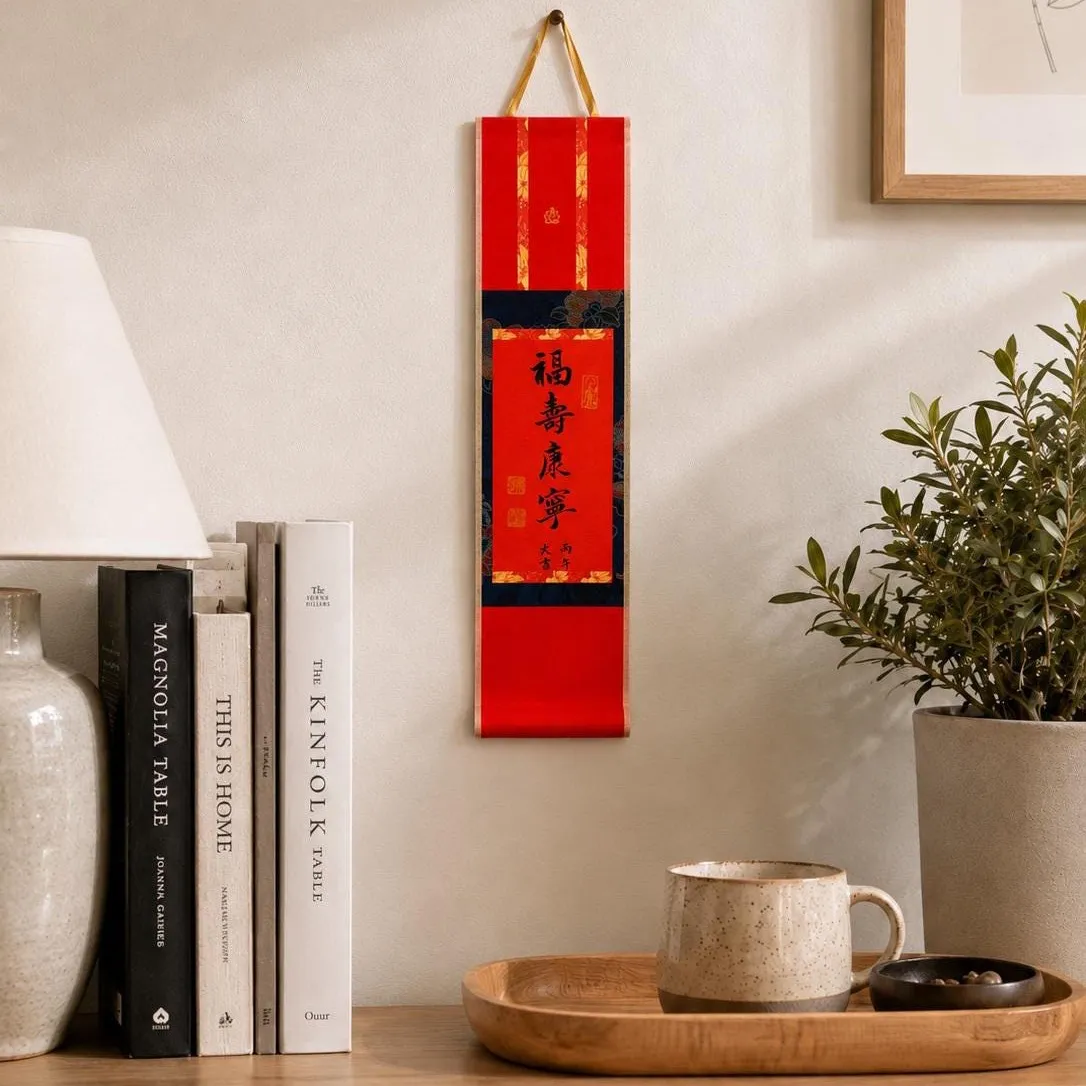
Photo shows a sample — yours will be brushed with 天伦之乐, or any character you choose.
Wall Scroll — for walls & housewarmingsfrom $38→ -
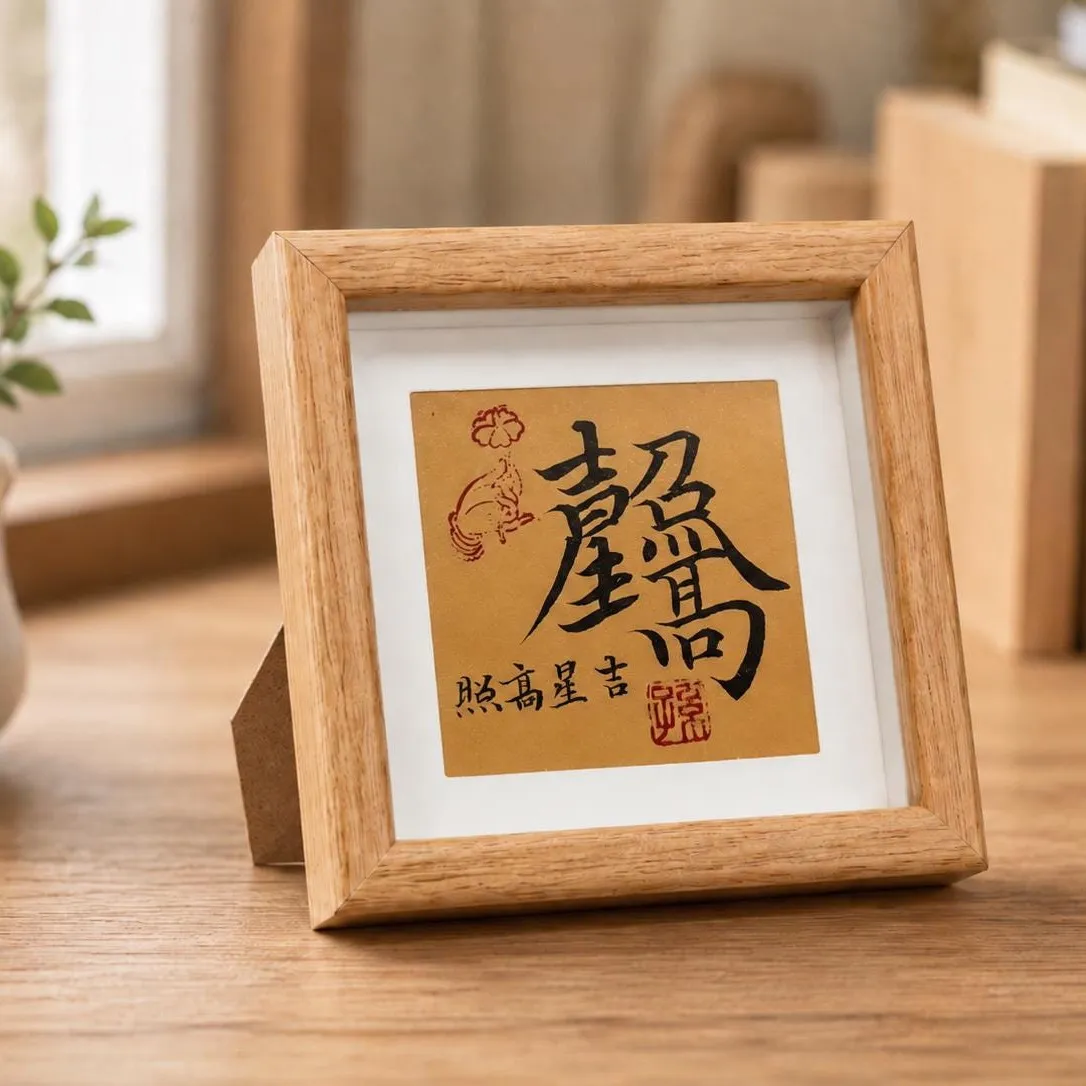
Photo shows a sample — yours will be brushed with 天伦之乐, or any character you choose.
Desk Frame — for desks, studies & studiosfrom $44→ -
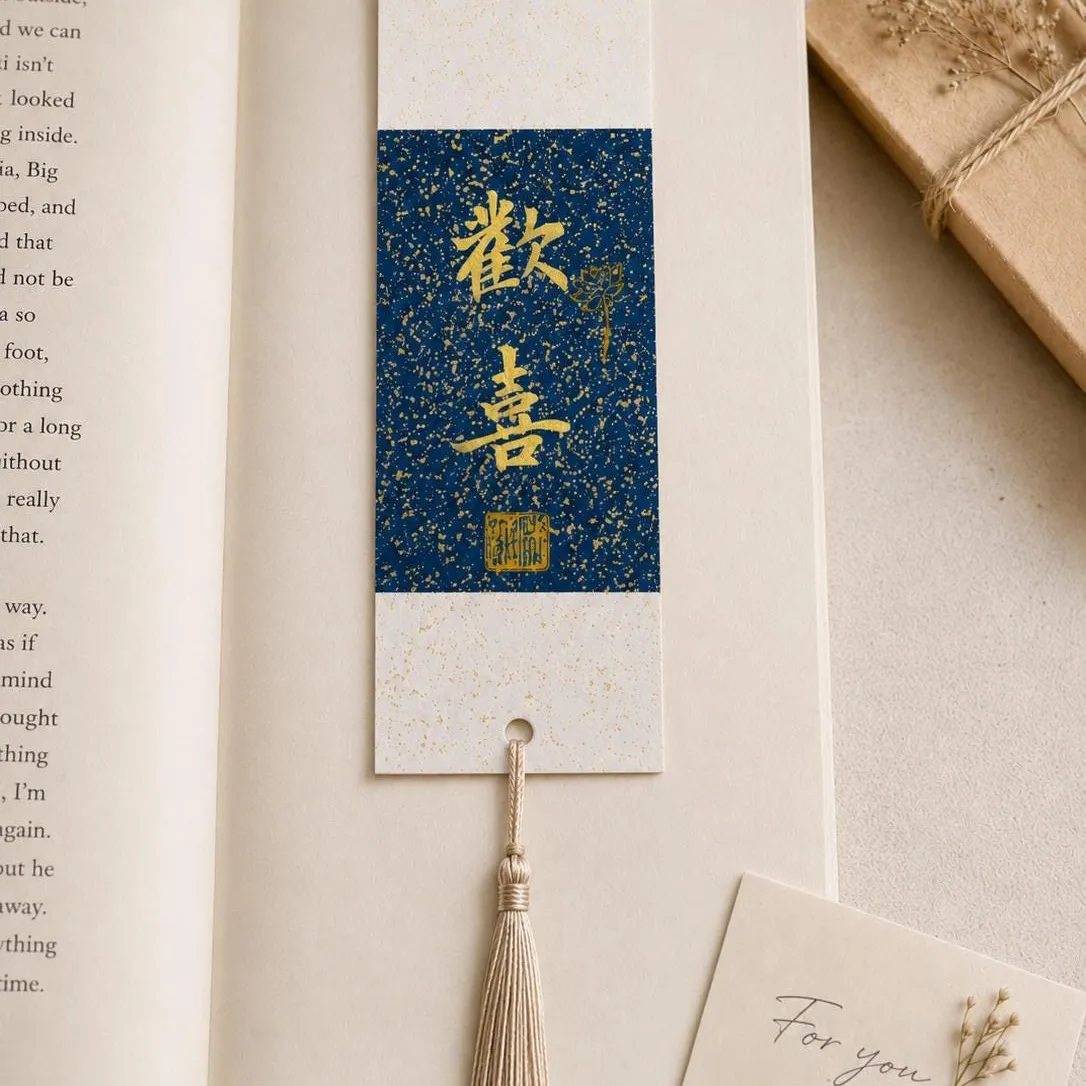
Photo shows a sample — yours will be brushed with 天伦之乐, or any character you choose.
Bookmark — for readers & small thank-yousfrom $17→
What people said after it arrived.
-
The item is fantastic. The customer service was genuine. Thanks!
— M.Verified purchase · from our Etsy shop reviews · -
They were great they gave me exactly what I asked for and then some. Thank you!!
— G.Verified purchase · from our Etsy shop reviews · -
It is well designed and customized. My daughter loves it. Amazing gift for family’s d friends
— S.Verified purchase · from our Etsy shop reviews ·
Each "天伦之乐" is hand-brushed by Artist Lina Sun on rice paper.
See 天伦之乐 (Tiān Lún Zhī Lè) on Etsy →