岁月静好 (suì yuè jìng hǎo) — The Years, Quiet and Good
A 4-character phrase, not a single character.
岁月静好 is what you write for a year that produced nothing. Not a good year in the sense of a move, a promotion, a birth — a year with no entry in it at all, and the claim that this counts as the outcome rather than as the gap in the record. What the four characters describe is neither a feeling nor a promise. 岁月 is elapsed time in the felt sense, and it arrives already tilted — 岁月不居, the years do not stay. 静好 is the phrase a Book of Songs poem reaches for when a household needs nothing fixed — 琴瑟在御,莫不静好, the instruments in their playing, and nothing here that is not quiet and good. Set the second against the first and the sentence says: the years went by, nothing happened, and that was the good outcome. See 静 →
In practice the phrase lives on surfaces. It is the standard text for the wooden plaque over an interior doorway and for the first framed piece in a newly furnished living room; it is a stock caption under wedding photographs; it is what people write to each other at the end of a bad year, as a wish for the next one. Its older half is twenty-six centuries old — 静好 comes from 《郑风·女曰鸡鸣》, the poem in which a wife and a husband argue about whether the rooster has really crowed — but the four characters as a set date only to Shanghai in 1944, and that recency is why the phrase reads the way it does. No dynasty is weighing on it. No ritual occasion owns it. No script tradition tells a calligrapher how it has to be written.
A hand-brushed “岁月静好” by Artist Lina Sun suits a husband or wife at an anniversary, when the year being marked contained nothing worth reporting and that is exactly the thing worth marking; Valentine’s Day, where it says what the flowers are standing in for; and Mother’s Day, where a grown child’s most honest wish is usually that the years ahead be uneventful. 苏轼, disgraced and awake at midnight in Huangzhou, wrote that no night lacks a moon and no place lacks bamboo; what runs short is people idle enough to be standing out in it. His shortage is the one these four characters quietly assume you do not have.
- ordinary days passing without incident
- the texture of a household rather than the feeling inside it
- what you want after you have had enough happening
- a description of a stretch of time, not a request for more of it
- peace and quiet The English idiom is about the absence of noise and, usually, of other people. 岁月静好 is not solitude — it comes out of a poem in which two people are talking, and it describes what a shared house is like when nothing in it needs attention.
- 岁岁平安 平安 is the absence of harm — the floor, and what you say to elders. 岁月静好 asks for slightly more than safety: that the uneventful years be actively good, not merely survived.
- 永恒 永恒 is a claim about duration, that something does not end. 岁月静好 says nothing whatever about how long. It reports on the quality of a stretch already underway.
The short arms are the point: these readings don’t reach it.
- 岁月 elapsed time, felt rather than counted岁 is the year as one full circuit, a unit 《说文解字》 defines astronomically rather than agriculturally; 月 is the month, and behind it the moon, the one measure of time visible from a courtyard. The compound names duration you have spent rather than a date you can point to, and its usual companions are all losses — 岁月不居, 岁月如流, 岁月蹉跎.
- 静好 quiet and goodFrom the second of the poem's three stanzas in 《诗经·郑风·女曰鸡鸣》: 琴瑟在御,莫不静好. It describes a household in accord, not a silent one — the two people in that poem have been talking since the first line. 静 in classical usage is what remains after contention has stopped, which is why 静好 reads as settled rather than empty.
characters
- 现世安稳 xiàn shì ān wěn may this present world hold steady — the second half of the 1944 line, and the half almost nobody writes
- 静好 jìng hǎo quiet and good — the classical core, which stands on its own in the Book of Songs and long predates the phrase built on it
- 安居乐业 ān jū lè yè settled in one's home, content in one's work — the older, public-facing version of the same wish, aimed at a population rather than a household
- 家和万事兴 jiā hé wàn shì xīng when the family is harmonious, everything flourishes — the same domestic ground, but argued as a cause with consequences attached
- 平平淡淡才是真 píng píng dàn dàn cái shì zhēn plain and ordinary is what is real — the vernacular saying that makes the identical case in colloquial speech
Cinnabar marks the characters 岁月静好 actually contains. The dark row is a relative by meaning or by sound, not one shared stroke.
The Story Behind the Character
A wife and a husband are arguing about what time it is. She says the rooster has crowed; he says it is still the dark before dawn. She tells him to get up and look for himself — the morning star is blazing. The poem is 《郑风·女曰鸡鸣》, roughly twenty-six centuries old, and by its second stanza the argument has resolved into wine, a wish to grow old together, and a line describing the house the two of them are in: 琴瑟在御,莫不静好. Nothing here is not 静好. Quiet, and good. The word arrives in the language already meaning what it means now — not a silent house, but one in which nothing needs fixing.
岁月 is the older, heavier half, and in classical usage it rarely appears in a good mood. 岁 is the year as one full circuit — 《说文解字》 defines it by Jupiter's passage through the lunar lodges, not by any harvest; 月 is the month, which is to say the moon, the one unit of time a person can watch go past. Together they name elapsed duration in the felt sense — not a date but a stretch you have spent. The company the compound keeps is an inventory of loss: 岁月不居, the years do not stay; 岁月如流, the years like water running; 岁月蹉跎, the years let slip. The word carries a wistful default long before anything has been predicated of it.
The two halves were joined on a sheet of paper in Shanghai in 1944. 张爱玲, then twenty-three and about a year and a half into the fame that made her the most talked-about writer in the occupied city, and 胡兰成 married with no ceremony and no registration, in front of a single witness, and what they had instead of a wedding was a document of four short lines. She wrote the first two: that the two of them were signing for life, and were now husband and wife. He wrote the last two — 愿使岁月静好,现世安稳, may the years be quiet and good, may this present world hold steady — and printed them years afterwards in 《今生今世》, which is how anyone knows them. The marriage was finished in about three years. The grammar of his four characters is plain subject and predicate: 岁月 is the thing, 静好 is what is said about it. It is the least ornamental sentence a person could build out of that vocabulary, and it is the half that outlived everything around it.
Classical lines
- roughly 1,700 years
- c. 600 BCE 《诗经·郑风·女曰鸡鸣》
- c. 817 白居易《问刘十九》
- 1083 苏轼《记承天寺夜游》
女曰鸡鸣,士曰昧旦。子兴视夜,明星有烂。 The wife says: the rooster has crowed. The husband says: it is still dark before dawn. Get up, then, and look at the night
the morning star is blazing. — The opening of the poem 静好 comes from, and the reason the phrase sounds domestic rather than lofty. Two people are disagreeing about the hour. One stanza later the same household is described as 莫不静好, and that description became half of this phrase.
绿蚁新醅酒,红泥小火炉。晚来天欲雪,能饮一杯无? New wine still green with froth, a small stove of red clay. Evening, and the sky about to snow
could you manage a cup? — Twenty characters with no event in them: a drink not yet poured, a fire already lit, weather that has not arrived. Bai Juyi built one of the best-known short poems in the language out of an invitation, and let nothing happen in it — which is the exact register 岁月静好 asks for.
何夜无月?何处无竹柏?但少闲人如吾两人者耳。 What night has no moon? Where are there no bamboo and cypress? There is only a shortage of people idle enough to be out in it, like the two of us.
Su Shi wrote this in political disgrace at Huangzhou, having got out of bed because the moonlight came through the door, and gone to find 张怀民 at 承天寺 on the chance that he was up. He was. It names the hard part of 岁月静好: the quiet good hours are not scarce. Being free enough to be standing in them is.
Why This Character Matters
Half the sentence is missing, and almost nobody notices. What was written in 1944 ran to eight characters, not four: 愿使岁月静好,现世安稳. The second half — may this present world hold steady — is the one that fell away, and it fell away because it was the one nobody could offer. 岁月静好 describes a household, which is something a couple has some purchase on. 现世安稳 makes a claim about the world outside the door, in a city then under Japanese occupation, by a man who was serving in the collaborationist administration. It did not hold. What people kept was the half that stays inside the house.
Arriving as late as it did, the phrase has no inscriptional pedigree — no Han tile, no stele, no dynastic hand a calligrapher is expected to honour — so it goes onto walls in whatever suits the room. 行楷, the running-regular hand that stays legible at arm's length, is the usual answer on the plaques and framed pieces sold today, but nothing about the phrase requires it. Since 2016 it has also had a second life online, on the back of one viral line: 哪有什么岁月静好,不过是有人替你负重前行 — there is no such thing as quiet years, only someone carrying the weight for you. That sentence runs in both directions. State media use it as tribute, printed over photographs of soldiers, firefighters and medical staff. In an argument it turns into an accusation: that the quiet is being enjoyed by somebody who would rather not look at what pays for it. Both readings live in writing rather than on objects. On the plaque over an interior doorway and the framed piece given at an anniversary, the four characters have never meant anything but what they say.
A few characters live near "岁月静好" but mean something quieter, sharper, or more specific. Here's how to tell them apart.
stillness as a property of a stretch of time — a report on the years
stillness as a property of a person — the interior state, named directly
nothing needing attention — the higher and more fragile condition
nothing threatening — safety, which is the floor beneath it
the years in which nothing had to be got through
the year that had to be got through, and was, by two people at cost to both
An anniversary invites an inventory of highlights, and most years do not have one.
- An anniversary invites an inventory of highlights, and most years do not have one. 岁月静好 is the phrase for the year that produced nothing worth reporting — no move, no crisis, no announcement — and treats that as the achievement rather than the gap in the record. Its subject is the stretch in which nothing was demanded of either of them, which is what the majority of a long marriage actually consists of and what almost no gift language is built to mark.
- The day runs on declaration, and 岁月静好 declares nothing. It describes instead the thing the flowers are a proxy for: a shared stretch of ordinary time in which neither person had to be reassured. For couples years past the stage of proving anything, it is a more accurate February gift than any phrase that names the feeling directly — and it is short enough to sit on a small framed piece rather than a card.
- What a grown child most honestly wants for a mother is usually that nothing happen to her — no fall, no diagnosis, no year that has to be got through. 岁月静好 is that wish said out loud without saying any of the frightening words. It also returns something: for most of her life the quiet in the house was work she did, and the phrase names the quiet as the good thing rather than the background.
Looking for a name? See Western names written in Chinese →
-
What does 岁月静好 (suì yuè jìng hǎo) mean?
岁月静好 (suì yuè jìng hǎo) is a 4-character Chinese phrase for the years, quiet and good. 岁月静好 is what you write for a year that produced nothing. Not a good year in the sense of a move, a promotion, a birth — a year with no entry in it at all, and the claim that this counts as the outcome rather than as the gap in the record. What the four characters describe is neither a feeling nor a promise. 岁月 is elapsed time in the felt sense, and it arrives already tilted — 岁月不居, the years do not stay. 静好 is the phrase a Book of Songs poem reaches for when a household needs nothing fixed — 琴瑟在御,莫不静好, the instruments in their playing, and nothing here that is not quiet and good. Set the second against the first and the sentence says: the years went by, nothing happened, and that was the good outcome. See 静 → Half the sentence is missing, and almost nobody notices. What was written in 1944 ran to eight characters, not four: 愿使岁月静好,现世安稳. The second half — may this present world hold steady — is the one that fell away, and it fell away because it was the one nobody could offer. 岁月静好 describes a household, which is something a couple has some purchase on. 现世安稳 makes a claim about the world outside the door, in a city then under Japanese occupation, by a man who was serving in the collaborationist administration. It did not hold. What people kept was the half that stays inside the house.
-
What occasions is 岁月静好 given for?
岁月静好 is traditionally given for Anniversary, Valentine's Day, Mother's Day. An anniversary invites an inventory of highlights, and most years do not have one. 岁月静好 is the phrase for the year that produced nothing worth reporting — no move, no crisis, no announcement — and treats that as the achievement rather than the gap in the record. Its subject is the stretch in which nothing was demanded of either of them, which is what the majority of a long marriage actually consists of and what almost no gift language is built to mark. The day runs on declaration, and 岁月静好 declares nothing. It describes instead the thing the flowers are a proxy for: a shared stretch of ordinary time in which neither person had to be reassured. For couples years past the stage of proving anything, it is a more accurate February gift than any phrase that names the feeling directly — and it is short enough to sit on a small framed piece rather than a card.
-
Who brushes the 岁月静好 calligraphy?
Each 岁月静好 (Suì Yuè Jìng Hǎo) is hand-brushed to order by Artist Lina Sun in ink on rice paper — never printed, never repeated.
Bring 岁月静好 home — choose how you'd like it brushed.
-
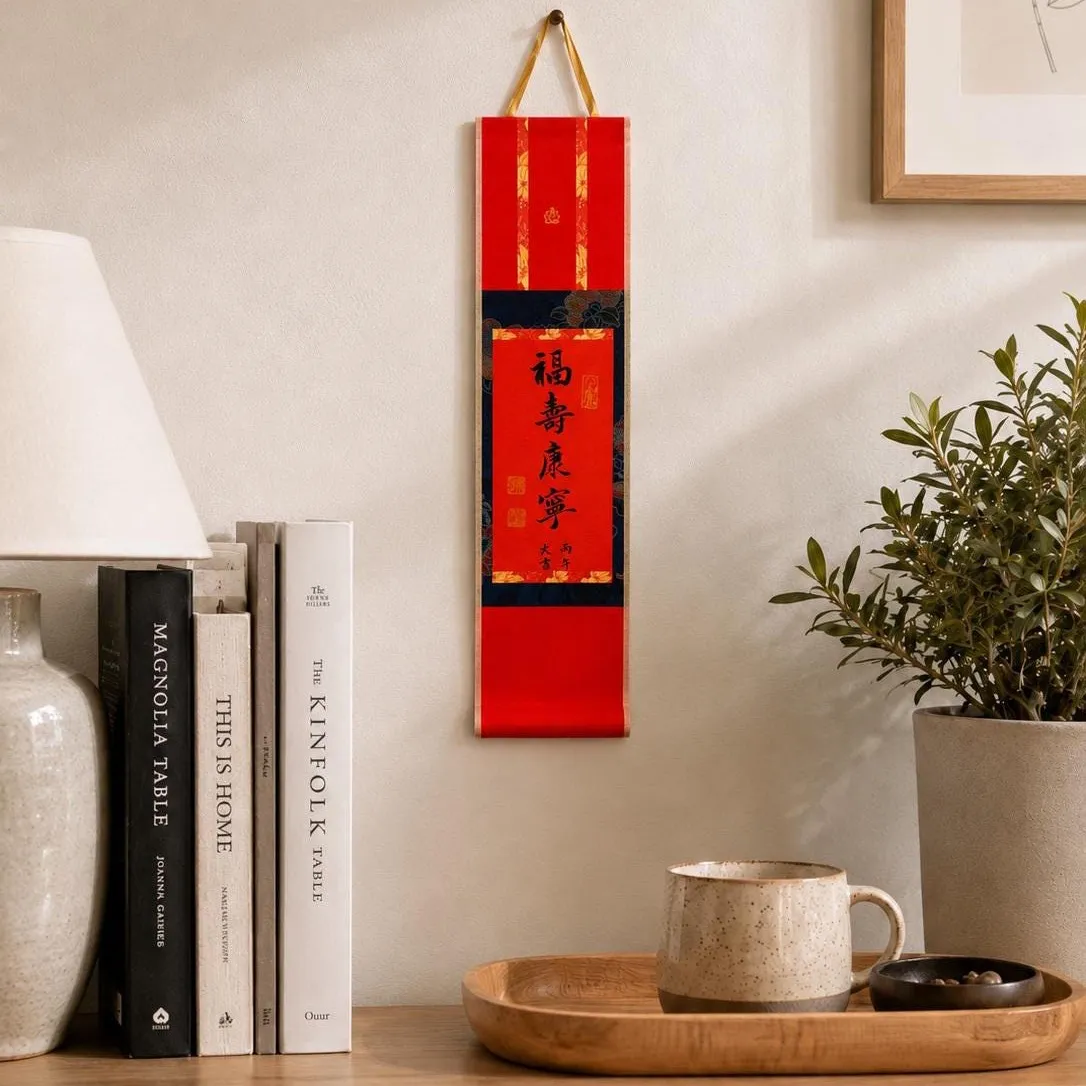
Photo shows a sample — yours will be brushed with 岁月静好, or any character you choose.
Wall Scroll — for walls & housewarmingsfrom $38→ -
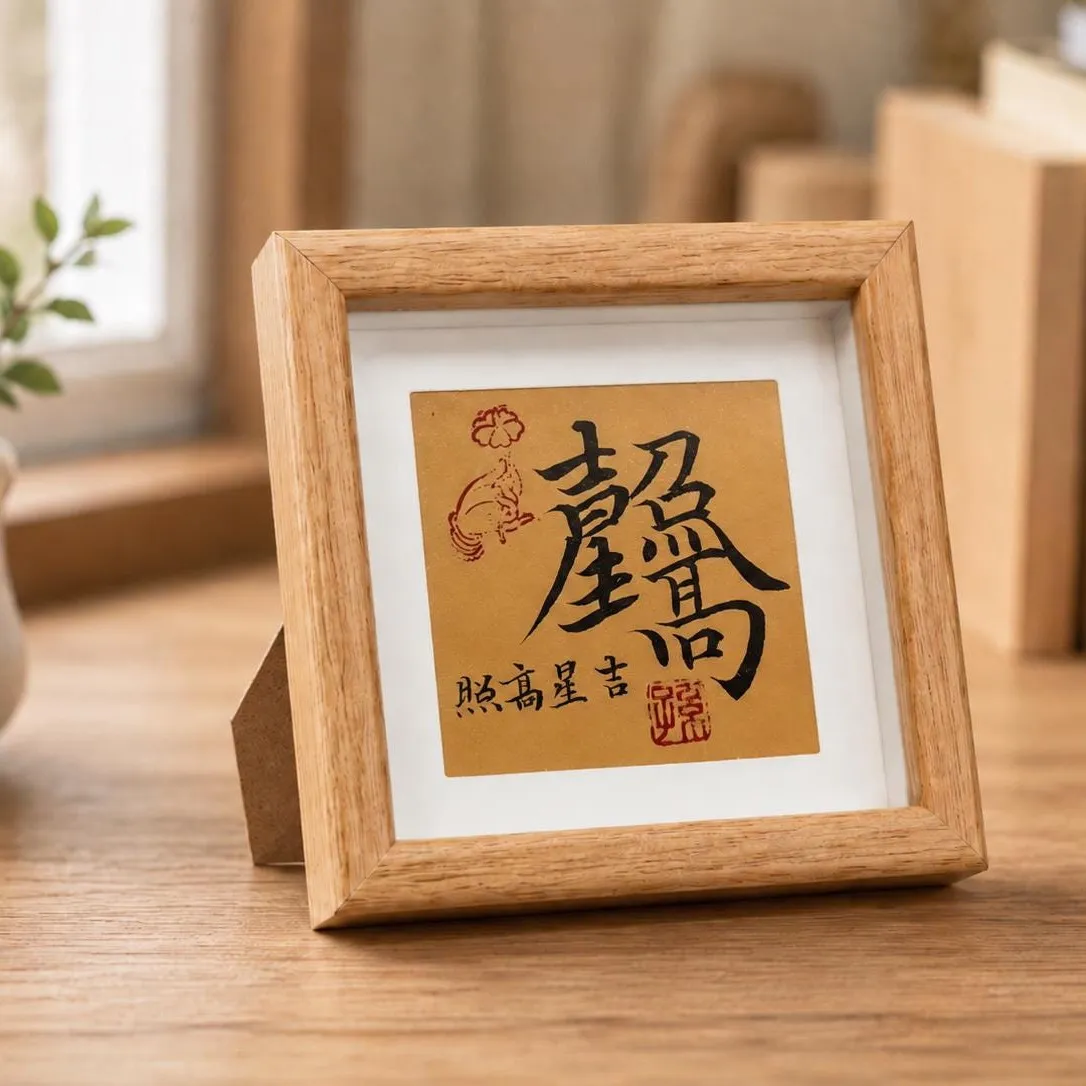
Photo shows a sample — yours will be brushed with 岁月静好, or any character you choose.
Desk Frame — for desks, studies & studiosfrom $44→ -
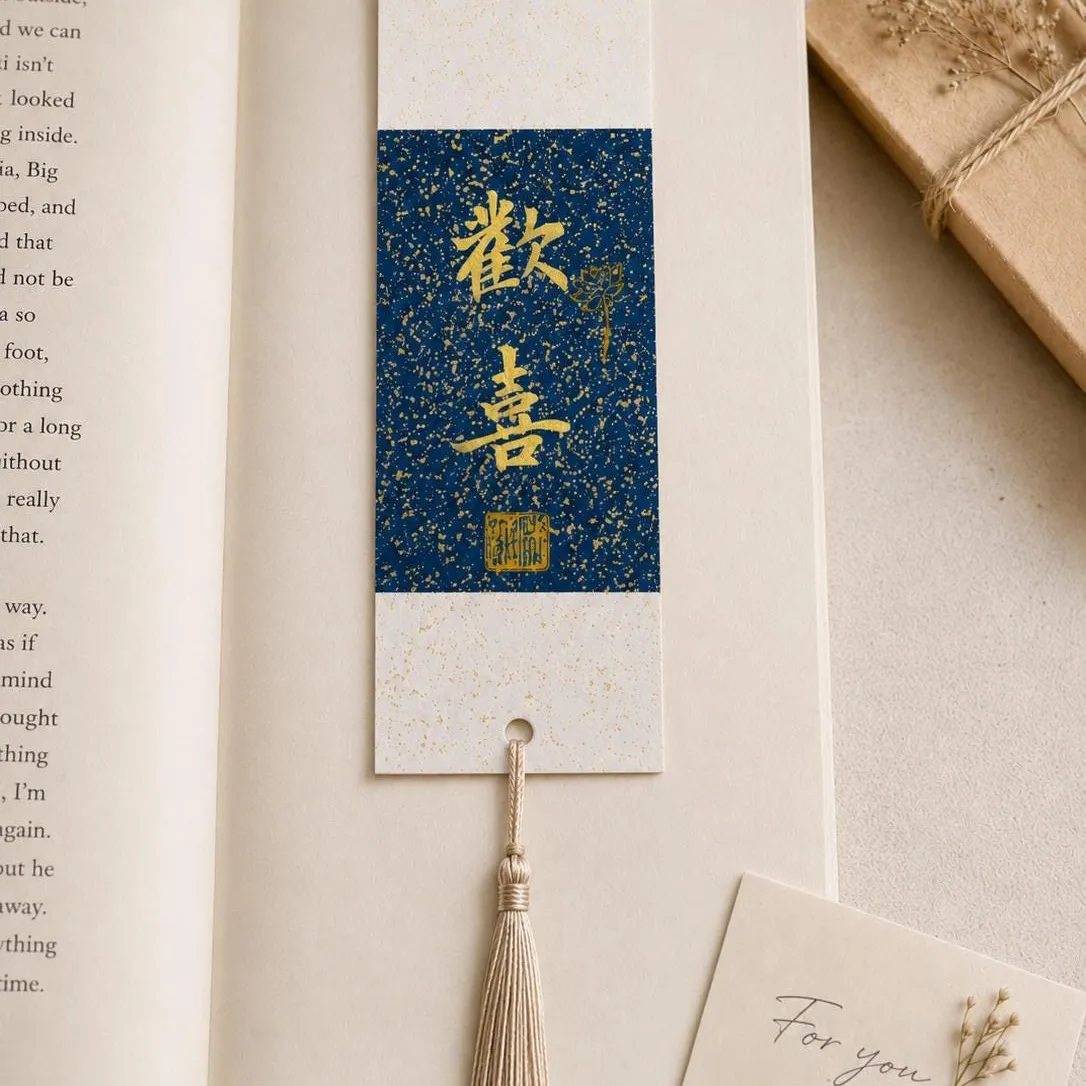
Photo shows a sample — yours will be brushed with 岁月静好, or any character you choose.
Bookmark — for readers & small thank-yousfrom $17→
What people said after it arrived.
-
The item is fantastic. The customer service was genuine. Thanks!
— M.Verified purchase · from our Etsy shop reviews · -
They were great they gave me exactly what I asked for and then some. Thank you!!
— G.Verified purchase · from our Etsy shop reviews · -
It is well designed and customized. My daughter loves it. Amazing gift for family’s d friends
— S.Verified purchase · from our Etsy shop reviews ·
Each "岁月静好" is hand-brushed by Artist Lina Sun on rice paper.
See 岁月静好 (Suì Yuè Jìng Hǎo) on Etsy →