富足 (fù zú) — Abundance · Plenty · Well-Provided
A two-character word, not a single character.
富 on its own is wealth, and wealth has a way of running on toward more — another field, another chest, a fortune that never quite arrives. 富足 is the version that stops. The second character, 足, means “enough”: a foot at the end of its journey, the point past which nothing more is needed. Bound to 富, it caps the abundance at sufficiency, so that 富足 names not a hoard forever chasing itself but a household whose stores are stocked and whose wanting has a floor under it — plenty that registers as full. It is also not 知足, which finds richness by lowering what you need; 富足 works the other way, raising the supply until real plenty meets a generous bar, and then resting there.
In everyday Chinese the homely face of 富足 is 丰衣足食 — warm clothes and enough food — and that phrase tells you where the tradition set the bar: not at a rich man’s vault but at an ordinary family’s sufficiency, the table that fills and the barn that closes. The oldest images of it are agricultural: 《诗经》 sings of granaries already full and open-air stores past counting. And it sits at the base of the social order — Confucius, asked what a numerous people needed next, answered 富之, “make them well-provided,” and put it ahead of teaching them. A settled stomach, the tradition held, is the ground a civilized life is built on.
A hand-brushed “富足” by Artist Lina Sun is the gift for the turning of a year or the founding of a new home — for the friend, the new couple, or the grandparent whose household you want to see provided for. It wishes not a windfall to chase but the steadier, warmer thing: plenty already in hand, enough and a little more, the kind of abundance a life can rest on.
- material plenty — a household well-provided, storehouses stocked
- abundance that registers as enough, not endless craving
- comfortable sufficiency — wanting for nothing
- prosperity as a settled, lasting condition
- rich 富 alone can run toward endless accumulation. 富足's 足 caps it at enough — plenty that satisfies, not a fortune forever chasing more.
- content That is 知足 — finding richness by lowering what you need. 富足 works the other way: it raises the supply. Real storehouses, actual plenty, not a reframed threshold.
- abundant 丰 names the bounty of a particular harvest or yield — a good year. 富足 names the household provided for across the years: plenty as a standing condition, not a single season.
The short arms are the point: these readings don’t reach it.
- 富 abundance stored under a roof宀 (a house) over 畐 (a brimming vessel) — a household's plenty held safe indoors. The same 畐 that sits in 福 (blessing); here it is housed, not offered up.
- 足 enough / sufficient / the journey arrivedOriginally a foot — the body part — extended through the image of a journey completed to mean 'enough.' Not a quantity but a ceiling: the point past which nothing more is needed.
characters
- 丰衣足食 fēng yī zú shí warm clothes and enough food — the everyday phrase for a well-provided life, the homely face of 富足
- 富裕 fù yù well-off, affluent — the plain modern word for material comfort
- 富贵 fù guì wealth and rank — 富 paired with status, the more worldly ambition
- 殷实 yīn shí solidly provided — a household with real reserves, the quiet substantial version
- 富强 fù qiáng prosperous and strong — 富 lifted to the scale of a nation
Cinnabar marks the characters 富足 actually contains. The dark row is a relative by meaning or by sound, not one shared stroke.
The Story Behind the Character
Look inside 富 and you find a roof. The character sets 宀 — the pictograph of a house — over 畐, a vessel drawn brimming full, and the meaning falls out of the picture: abundance is a full jar kept under a roof, a household's stores held safe indoors. 《说文》 glosses it plainly — 富,备也,一曰厚也, "富 means complete; or, abundant." That same 畐 sits inside 福 (blessing): both characters grew from the image of a brimming vessel, but 福 set the jar before an altar, a prayer offered up, while 富 set it under a roof, a family's plenty stored down. One reaches toward heaven; the other settles into the house.
足 began far from wealth. Its oracle-bone form is a foot — the body part, plain and concrete, and the Shuowen keeps that root: 足,人之足也. The leap to "enough" came through the image of a journey arrived: the foot that has reached its destination, that need take no further step. From that root 足 spread across the whole field of sufficiency — 充足 (ample), 满足 (satisfied), 足够 (enough). On its own 足 is a ceiling rather than a quantity. It names the point past which nothing more is needed.
Bind 富 to 足 and the abundance acquires a floor and a ceiling at once. 富 supplies the plenty; 足 caps it at enough. This is what keeps 富足 distinct from 富 standing alone, which can run on toward endless accumulation: the 足 pins the wish to sufficiency, so that 富足 names not a fortune forever chasing more but a household whose stores are stocked and whose wanting has a bottom under it. It is plenty that registers as full — the settled, provided-for state of a family that has enough, and a measure beyond.
Classical lines
- roughly 300 years
- c. 7th c. BCE 《诗经·小雅·楚茨》
- c. 500 BCE 《论语·子路》
- c. 4th c. BCE 《周易·系辞上》
我仓既盈,我庾维亿。 My granaries are already full, my open-air stores number in the myriads.
A harvest hymn sung at the ancestral sacrifice, picturing 富足 at its most concrete: not coins in a chest but grain past counting, the year's yield safely brought in. The oldest Chinese image of plenty is agricultural — a full barn, not a full purse.
既庶矣,又何加焉?曰:富之。 "The people are already numerous
what next?" He said: "Make them prosperous." — Confucius, arriving in the state of Wei, lays out the order of a good government: first let the people be many, then 富之, make them well-provided, and only then teach them. 富足 comes before culture, not after — a settled stomach is the ground a civilized life is built on.
富有之谓大业,日新之谓盛德。 To possess abundance is called the great enterprise; daily renewal is called abundant virtue.
The Book of Changes dignifies 富 itself, naming abundance not as a vice to be apologized for but as 大业, a worthy achievement on the scale of a life's work — provided it keeps renewing rather than merely hoarding.
Why This Character Matters
The same component — 畐, a brimming wine jar — sits inside both 福 (blessing) and 富 (wealth), which makes the Chinese words for "blessed" and "rich" visual cousins, each descended from the image of a full vessel. Yet the tradition was careful to keep them apart in rank: 福 is the whole good life, the wish that holds all the others, while 富 is only its material floor. 富足 lives squarely on that floor and is content there — it does not pretend to be the whole of fortune, only the part you can store in a barn.
In everyday speech the homely face of 富足 is 丰衣足食 — "warm clothes and enough food" — and the phrase tells you where the tradition set the bar: not at a rich man's hoard but at an ordinary household's sufficiency, the table that fills and the chest that closes. Confucius placed 富 (making the people well-provided) ahead of teaching them; Mencius argued a ruler must first secure the family's 富足 — a roof, a field, food in good years and survival in bad — before any talk of virtue. As a blessing, 富足 carries that grounded tradition: it wishes not a windfall but the steady, provided-for plenty a life can rest on.
A few characters live near "富足" but mean something quieter, sharper, or more specific. Here's how to tell them apart.
actual abundance — a household provided for in fact, storehouses stocked
the inner recognition that what you already have is enough, whatever the amount
material plenty specifically — the well-stocked household, wanting for nothing
the whole good life — health, peace, family, a good end — of which plenty is one piece
plenty as a standing condition — a household provided for across the years
the bounty of a particular harvest or season — abundance as a good yield
At New Year a household takes stock of what it has and wishes for the year ahead, and 富足 names the plainest, warmest of those wishes: storehouses stocked, the table full, the family wanting for nothing.
- At New Year a household takes stock of what it has and wishes for the year ahead, and 富足 names the plainest, warmest of those wishes: storehouses stocked, the table full, the family wanting for nothing. Where 步步高升 wishes a career upward and 五福临门 names the five blessings arriving at the door, 富足 wishes the material floor beneath an ordinary good year — not a fortune to chase but plenty already in hand, enough and a little more.
- A wedding founds a new household, and 富足 is the wish for that household's larder rather than its romance — that the two never want for the basics, that the home they are building rests on a provided foundation. The 足 in 富足 keeps the wish honest: not endless wealth to pursue but real plenty that registers as enough, the kind of sufficiency a marriage can settle into and build on for the long years.
Friend · New Couple · Grandparent · or yourself
Looking for a name? See Western names written in Chinese →
-
What does 富足 (fù zú) mean?
富足 (fù zú) is a two-character Chinese word for abundance, plenty, well-provided. 富 on its own is wealth, and wealth has a way of running on toward more — another field, another chest, a fortune that never quite arrives. 富足 is the version that stops. The second character, 足, means "enough": a foot at the end of its journey, the point past which nothing more is needed. Bound to 富, it caps the abundance at sufficiency, so that 富足 names not a hoard forever chasing itself but a household whose stores are stocked and whose wanting has a floor under it — plenty that registers as full. It is also not 知足, which finds richness by lowering what you need; 富足 works the other way, raising the supply until real plenty meets a generous bar, and then resting there. The same component — 畐, a brimming wine jar — sits inside both 福 (blessing) and 富 (wealth), which makes the Chinese words for "blessed" and "rich" visual cousins, each descended from the image of a full vessel. Yet the tradition was careful to keep them apart in rank: 福 is the whole good life, the wish that holds all the others, while 富 is only its material floor. 富足 lives squarely on that floor and is content there — it does not pretend to be the whole of fortune, only the part you can store in a barn.
-
What occasions is 富足 given for?
富足 is traditionally given for Chinese New Year, Wedding. At New Year a household takes stock of what it has and wishes for the year ahead, and 富足 names the plainest, warmest of those wishes: storehouses stocked, the table full, the family wanting for nothing. Where 步步高升 wishes a career upward and 五福临门 names the five blessings arriving at the door, 富足 wishes the material floor beneath an ordinary good year — not a fortune to chase but plenty already in hand, enough and a little more. A wedding founds a new household, and 富足 is the wish for that household's larder rather than its romance — that the two never want for the basics, that the home they are building rests on a provided foundation. The 足 in 富足 keeps the wish honest: not endless wealth to pursue but real plenty that registers as enough, the kind of sufficiency a marriage can settle into and build on for the long years.
-
Who brushes the 富足 calligraphy?
Each 富足 (Fù Zú) is hand-brushed to order by Artist Lina Sun in ink on rice paper — never printed, never repeated.
Bring 富足 home — choose how you'd like it brushed.
-
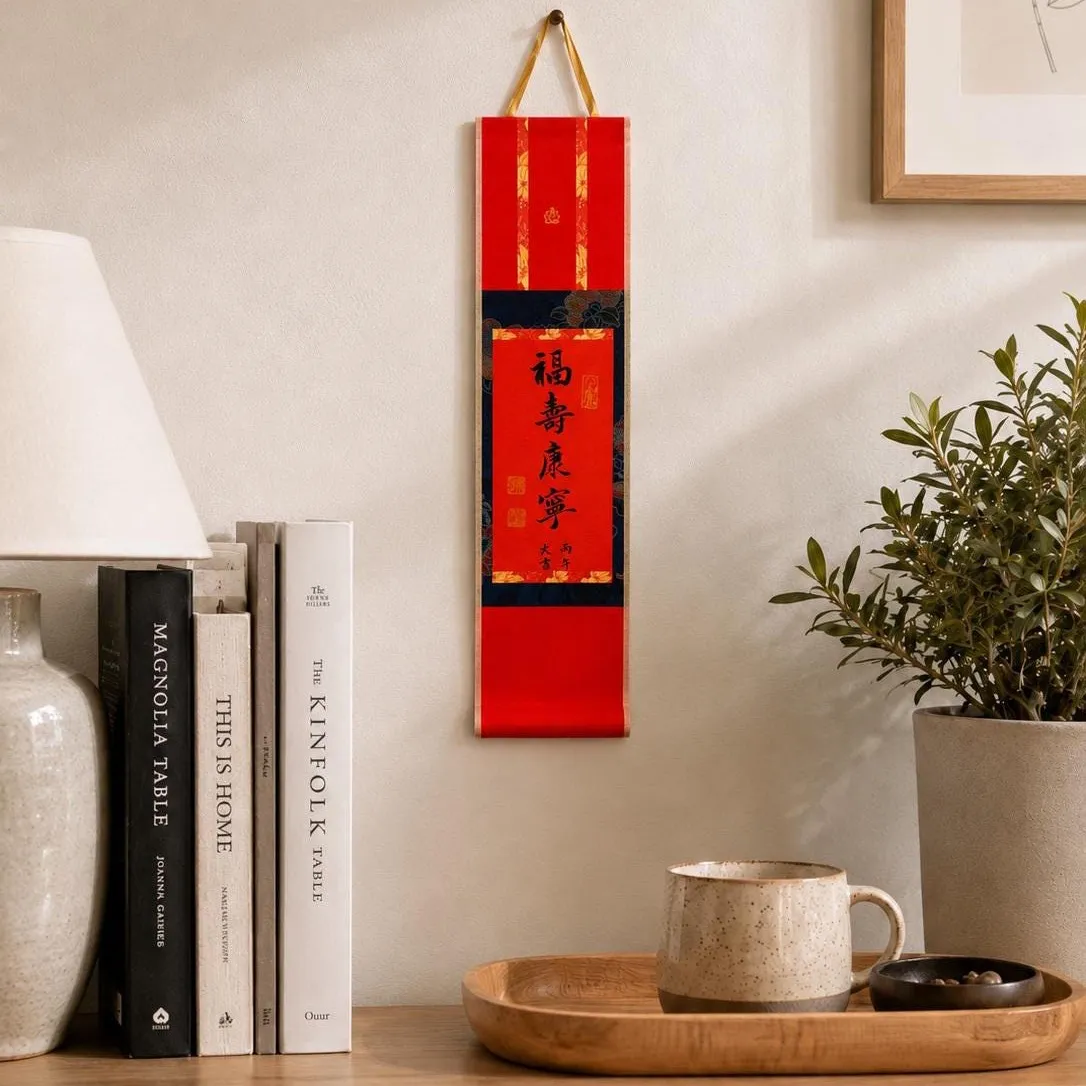
Photo shows a sample — yours will be brushed with 富足, or any character you choose.
Wall Scroll — for walls & housewarmingsfrom $38→ -
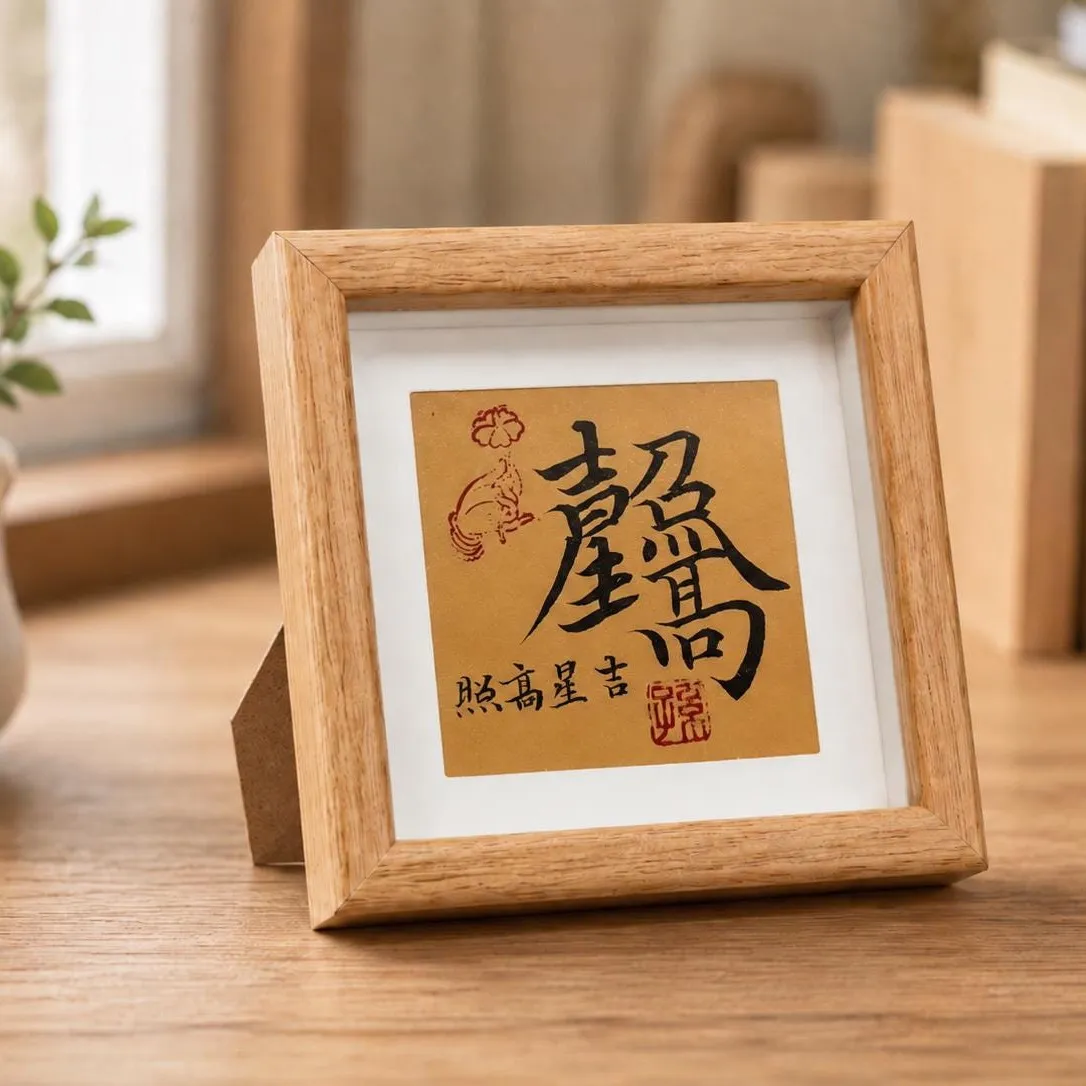
Photo shows a sample — yours will be brushed with 富足, or any character you choose.
Desk Frame — for desks, studies & studiosfrom $44→ -
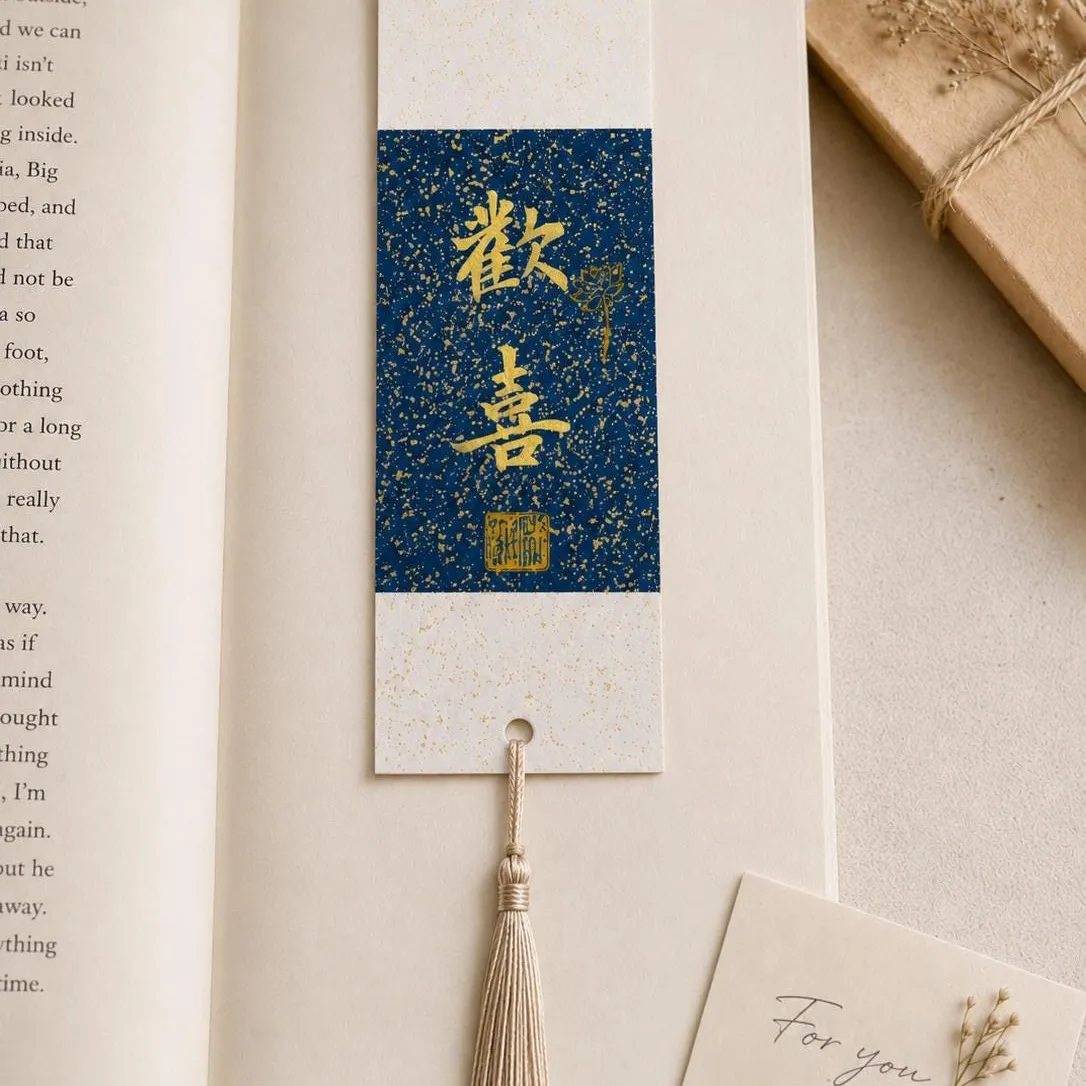
Photo shows a sample — yours will be brushed with 富足, or any character you choose.
Bookmark — for readers & small thank-yousfrom $17→
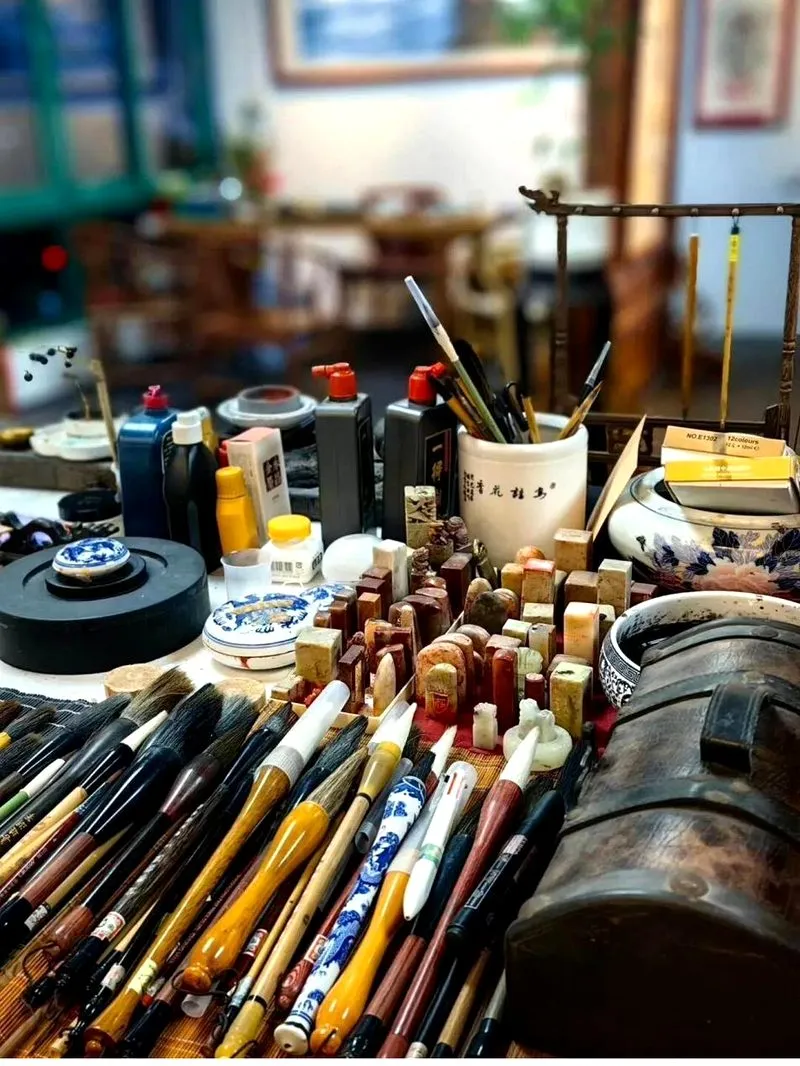
What people said after it arrived.
-
The item is fantastic. The customer service was genuine. Thanks!
— M.Verified purchase · from our Etsy shop reviews · -
They were great they gave me exactly what I asked for and then some. Thank you!!
— G.Verified purchase · from our Etsy shop reviews · -
It is well designed and customized. My daughter loves it. Amazing gift for family’s d friends
— S.Verified purchase · from our Etsy shop reviews ·
Each "富足" is hand-brushed by Artist Lina Sun on rice paper.
See 富足 (Fù Zú) on Etsy →