笃志 (dǔ zhì) — Firm, Focused Aspiration · A Will Held Steady · Focused, of One Mind
A two-character word, not a single character.
志 is a heading put into words. The 志愿 a student files after the entrance exam is one, and so is an aim named this week. See 志 → 笃, left on its own, measures something and waits for the noun beside it — a belief, a course of study, an illness. See 笃 → 笃志 names the noun. The Ministry of Education’s revised dictionary glosses the pair as 坚定心志, a will held firm, and the concise dictionary glosses it as 专心一致, focused and of one mind. A purpose set this week can already be this word. What the pair asks is whether the will is steady and undivided.
The concise dictionary’s example of that focus is 他笃志好学. The example continues to an outcome, 最后成了大学问家, which is how the sentence ends, not a condition the word imposes. 《南史》 offers another exhibit: in melon season Zheng Zhuo lay down, cooled his heart with a melon, got up, and recited again, and the historian closes 其笃志如此. That is one life in which the work ran a long time. Zixia’s sentence puts the same two characters inside a motto of ten characters, 博学而笃志,切问而近思. Fudan’s 2019 account dates the university’s adoption of that line to 1915, with Ma Xiangbo making the choice. On 13 September 2020 the chairs of the student union and the graduate union led the whole new class, facing the school flag, through an oath that includes 博学笃志,切问近思, and the president asked them to remember the ten-character line.
A hand-brushed “笃志” by Artist Lina Sun suits a graduation, where the aim that carried the course is worth naming, and a birthday, where one story is an aim that stayed the aim. It can cross a desk to a colleague, or go up to a mentor, as a reading of a purpose already theirs. The 2020 oath is the other direction: people also set the standard for themselves, including on the day they arrive. It does not assign a direction nobody chose, and it does not score the hours. Where it hangs, the question is whether the will is firm and focused.
- a will held firm — 坚定心志, the Ministry of Education revised gloss
- focused, of one mind — 专心一致, the concise dictionary gloss
- a purpose aimed at a field of study — 专笃志于博学, or 于儒学 in the Wenxuan text and in the revised dictionary's quotation
- a good memory 孔安国's note on Zixia's sentence, recorded by 何晏, reads 志 as 识: retain it deeply. 邢昺 writes 志,识也. That gloss belongs to one line. Ban Gu aims the pair at a field of study, and the modern dictionaries gloss a firm, focused will.
- hard work 勤 counts hours. This pair names the firmness and the focus of the aim. Hours spent on an aim that keeps being replaced are a different report.
- follow-through 笃行 is the doing. 朱熹 says Zixia's cluster, which includes this pair, has not reached 力行. 程子's clause runs the dependency the other way: a will that is not firm cannot be carried into action. The action is a further question.
- ambition Ambition in English reports how large the want is. This pair reports a will held firm and focused. It is silent about the size of the want.
The short arms are the point: these readings don’t reach it.
- 笃 firm / focusedIn this compound the revised dictionary's 坚定 and the concise dictionary's 专心. It does not add a minimum number of years.
- 志 aim / aspirationThe aim the firmness is on, which is the reading of 坚定心志. One Han note on Zixia's sentence reads this character as 识, to retain. That note belongs to that sentence.
characters
- 笃行 dǔ xíng Related by the shared 笃 and by the step this pair does not take — whether what is known reaches the ground. · acting on what you know
- 立志 lì zhì To set an aim, said or unsaid. 笃志 is that aim held firm and focused.
- 锲而不舍 qiè ér bù shě Keep cutting and do not put the knife down. A relative by sense that shares no character with this pair: persistence at a task, which can illustrate a firm aim and is not the definition of one.
Cinnabar marks the characters 笃志 actually contains. The dark row is a relative by meaning or by sound, not one shared stroke.
The Story Behind the Character
Ban Gu's preface to 答宾戏 gives the pair an object. In the Hanshu text the clause is 专笃志于博学,以著述为业: his purpose set firmly on wide learning, and writing taken as the work. The Wenxuan text of the same preface reads 儒学 where this one reads 博学. Either wording, 专笃志于 takes a field of study. That is the job the revised dictionary still glosses as 坚定心志, a will held firm.
The sentence readers meet first is older, and one Han note reads the second character another way. Zixia, in 《论语·子张》: 博学而笃志,切问而近思,仁在其中矣. 何晏's commentary records 孔安国 as 广学而厚识之 — study widely, and retain it deeply — and 邢昺's subcommentary writes 志,识也, here 志 means to retain. On that note the pair is about memory. 程子, copied by 朱熹 into the 《论语集注》, uses the will: 志不笃则不能力行, if the will is not firm, the step into action is not available. 苏氏, in the same note, names a failure: 博学而志不笃,则大而无成, breadth without a firm will finishes nothing large. The note calls him 苏氏. The dictionaries follow the will. The concise one adds 专心一致, of one mind, and its example begins 他笃志好学. 专笃志于博学 is not a way of saying the texts were memorized.
朱熹's own comment draws the line between this pair and the doing. Zixia's four items are 学问思辨之事, matters of study, questioning, and reflection, 未及乎力行 — they have not reached the carrying-out. That further step has another name, 笃行. A firm, focused aim can be a new one. The note does not say the work got done.
Classical lines
- roughly 1,100 years
- c. 1st c. CE 《汉书·叙传上》
- 659 CE 《南史·儒林·郑灼》
- c. 1177–1199 CE 朱熹《论语集注·子张》引程子
专笃志于博学,以著述为业。 He set his purpose firmly on wide learning, and took writing as his work.
Ban Gu, on the study his purpose was set on. The Hanshu text reads 博学; the Wenxuan text of the same preface reads 儒学.
若瓜时,辄偃卧,以瓜镇心,起便读诵,其笃志如此。 When the melons came in, he would lie down, cool his heart with one, get up, and go back to reciting. His aim was that firm.
One picture of a will that stayed with the work. 《陈书》 tells the same scene with 诵读 where this sentence has 读诵.
学不博则不能守约,志不笃则不能力行。 If the learning is not wide, it cannot be held to what matters; if the will is not firm, it cannot be carried into action.
程子, as Zhu Xi copies him. A will that is not firm has not reached the doing, which is why this pair stops short of 笃行.
Why This Character Matters
《南史》 turns the word into a scene. Zheng Zhuo lectured until the work heated his chest, and he lived on vegetables. In melon season he lay down, pressed a melon over his heart, got up, and went back to reciting. The historian closes 其笃志如此. 《陈书》 tells the same scene with 诵读 where 《南史》 has 读诵. The melon is one story of an aim kept up over a long stretch of work. The dictionary gloss, a firm and focused will, does not make that stretch a requirement.
Fudan took Zixia's ten characters, 博学而笃志,切问而近思, as its motto in 1915, the tenth year of the school. President Li Denghui had the line chosen, and Ma Xiangbo made the final choice. On 13 September 2020 the chairs of the student union and the graduate union led the new class in an oath facing the school flag. The oath includes 博学笃志,切问近思, and the president asked them to remember the ten-character line. Students said it on the day they arrived.
A few characters live near "笃志" but mean something quieter, sharper, or more specific. Here's how to tell them apart.
The firmness is taken on one noun, and the noun is the aim.
The measure waits for whatever noun is written beside it, including an illness.
The aim held firm and focused, including an aim just set.
The heading as stated, including the 志愿 filed once the exam score is already fixed.
Stops at the will. Zhu Xi files the classical sentence with study and reflection, short of action.
The last step: whether what is known reaches the ground.
学业有成 on this occasion settles what a course finished.
- 学业有成 on this occasion settles what a course finished. 志 is a heading a student can put into words at any point, including on the 志愿 form. 笃行 asks whether any of the knowing reaches the ground. 笃志 names the aim held firm and focused. Fudan's 2020 freshman oath puts 博学笃志 in the mouths of the new class, so the pair is already sayable when a course begins. At a graduation it names the aim that carried the course, not the width of the reading and not the first job.
- 志 on a birthday names a direction. 笃志 names that direction held firm and focused. One story the occasion can carry is an aim that was not swapped for a more presentable one; the melon scene in 《南史》 is that kind of story. The pair does not total the years, and it does not wish the coming year well. It says the will is steady and focused.
Looking for a name? See Western names written in Chinese →
-
What does 笃志 (dǔ zhì) mean?
笃志 (dǔ zhì) is a two-character Chinese word for firm, focused aspiration, a will held steady, focused, of one mind. 志 is a heading put into words. The 志愿 a student files after the entrance exam is one, and so is an aim named this week. See 志 → 笃, left on its own, measures something and waits for the noun beside it — a belief, a course of study, an illness. See 笃 → 笃志 names the noun. The Ministry of Education's revised dictionary glosses the pair as 坚定心志, a will held firm, and the concise dictionary glosses it as 专心一致, focused and of one mind. A purpose set this week can already be this word. What the pair asks is whether the will is steady and undivided. 《南史》 turns the word into a scene. Zheng Zhuo lectured until the work heated his chest, and he lived on vegetables. In melon season he lay down, pressed a melon over his heart, got up, and went back to reciting. The historian closes 其笃志如此. 《陈书》 tells the same scene with 诵读 where 《南史》 has 读诵. The melon is one story of an aim kept up over a long stretch of work. The dictionary gloss, a firm and focused will, does not make that stretch a requirement.
-
What occasions is 笃志 given for?
笃志 is traditionally given for Graduation, Birthday. 学业有成 on this occasion settles what a course finished. 志 is a heading a student can put into words at any point, including on the 志愿 form. 笃行 asks whether any of the knowing reaches the ground. 笃志 names the aim held firm and focused. Fudan's 2020 freshman oath puts 博学笃志 in the mouths of the new class, so the pair is already sayable when a course begins. At a graduation it names the aim that carried the course, not the width of the reading and not the first job. 志 on a birthday names a direction. 笃志 names that direction held firm and focused. One story the occasion can carry is an aim that was not swapped for a more presentable one; the melon scene in 《南史》 is that kind of story. The pair does not total the years, and it does not wish the coming year well. It says the will is steady and focused.
-
Who brushes the 笃志 calligraphy?
Each 笃志 (Dǔ Zhì) is hand-brushed to order by Artist Lina Sun in ink on rice paper — never printed, never repeated.
Bring 笃志 home — choose how you'd like it brushed.
-
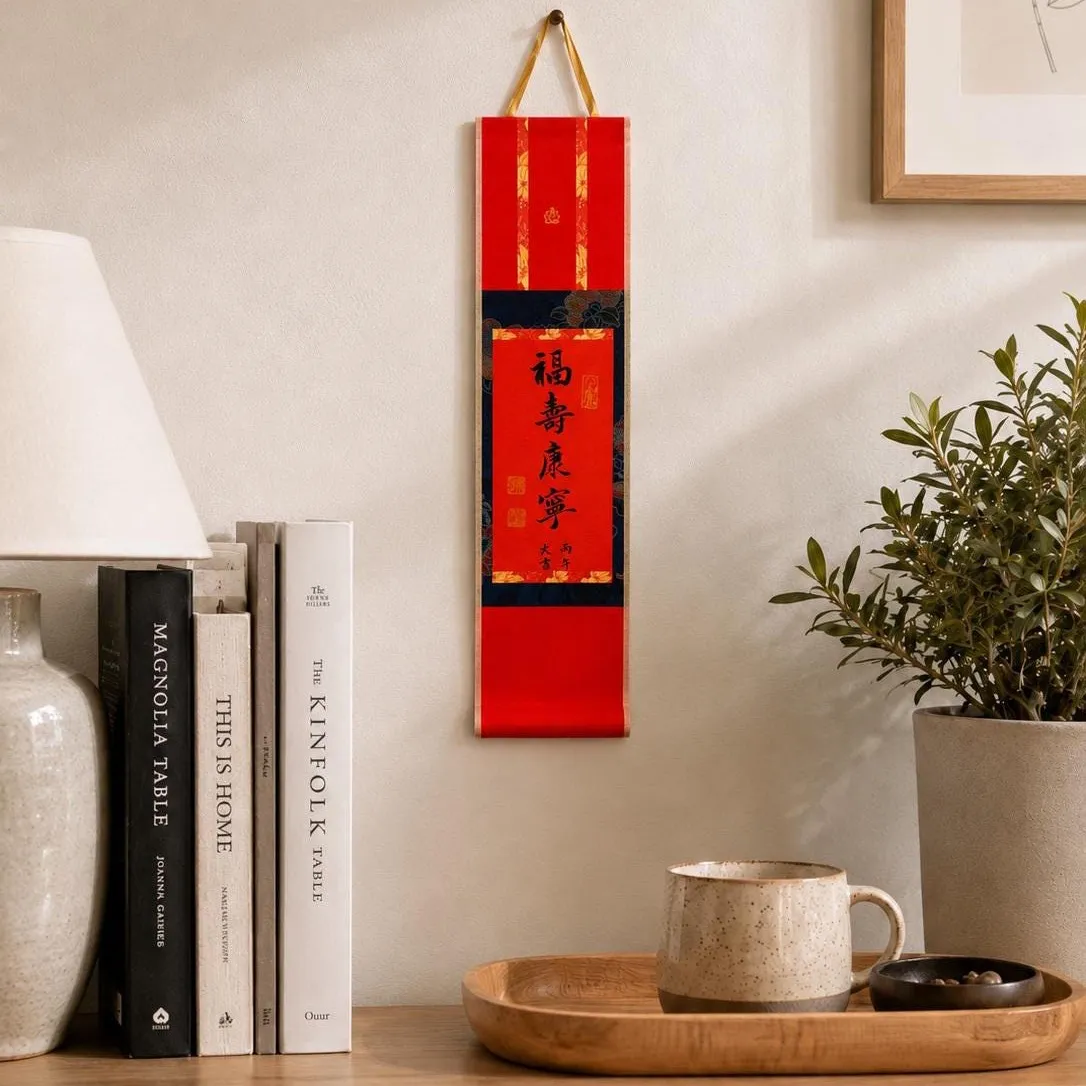
Photo shows a sample — yours will be brushed with 笃志, or any character you choose.
Wall Scroll — for walls & housewarmingsfrom $38→ -
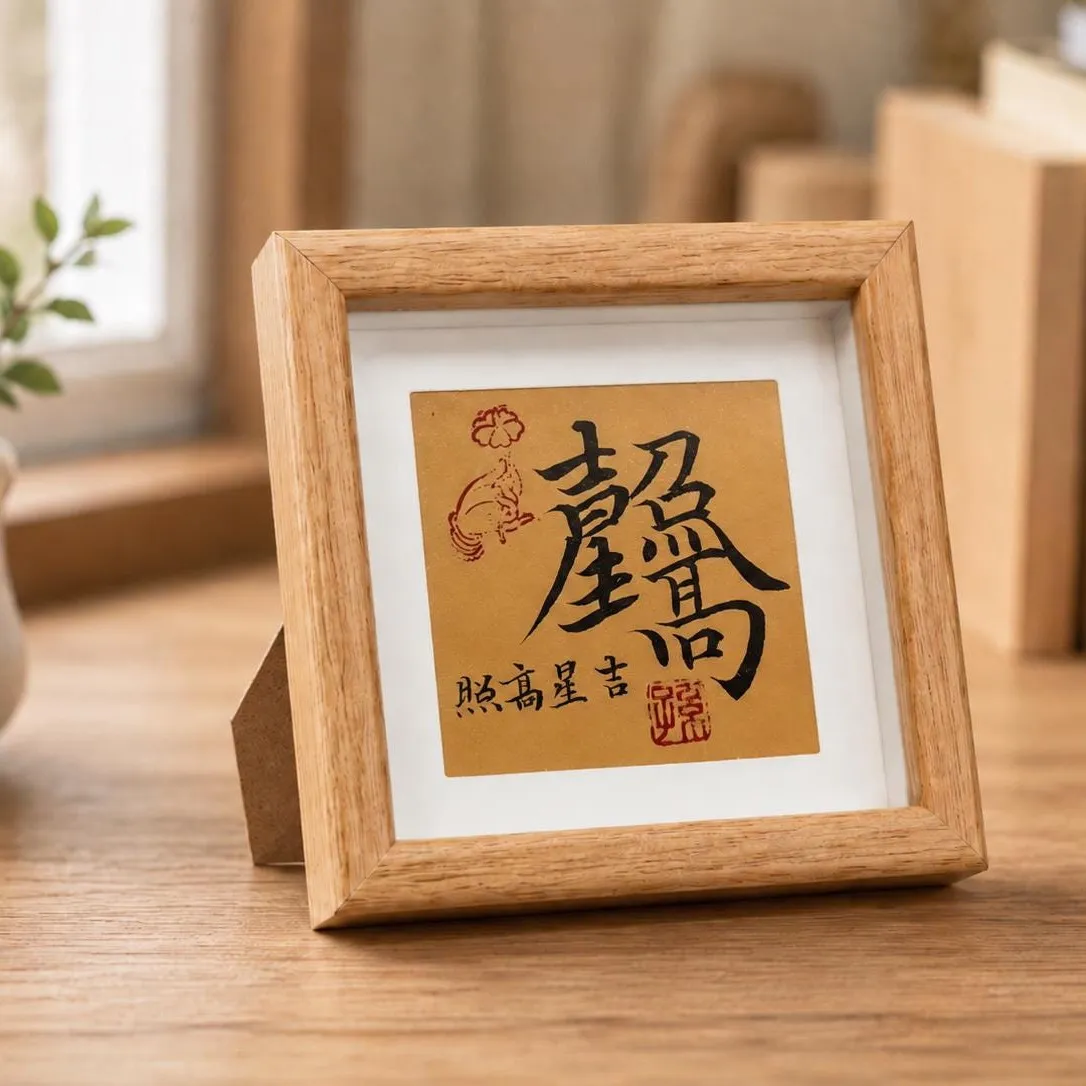
Photo shows a sample — yours will be brushed with 笃志, or any character you choose.
Desk Frame — for desks, studies & studiosfrom $44→ -
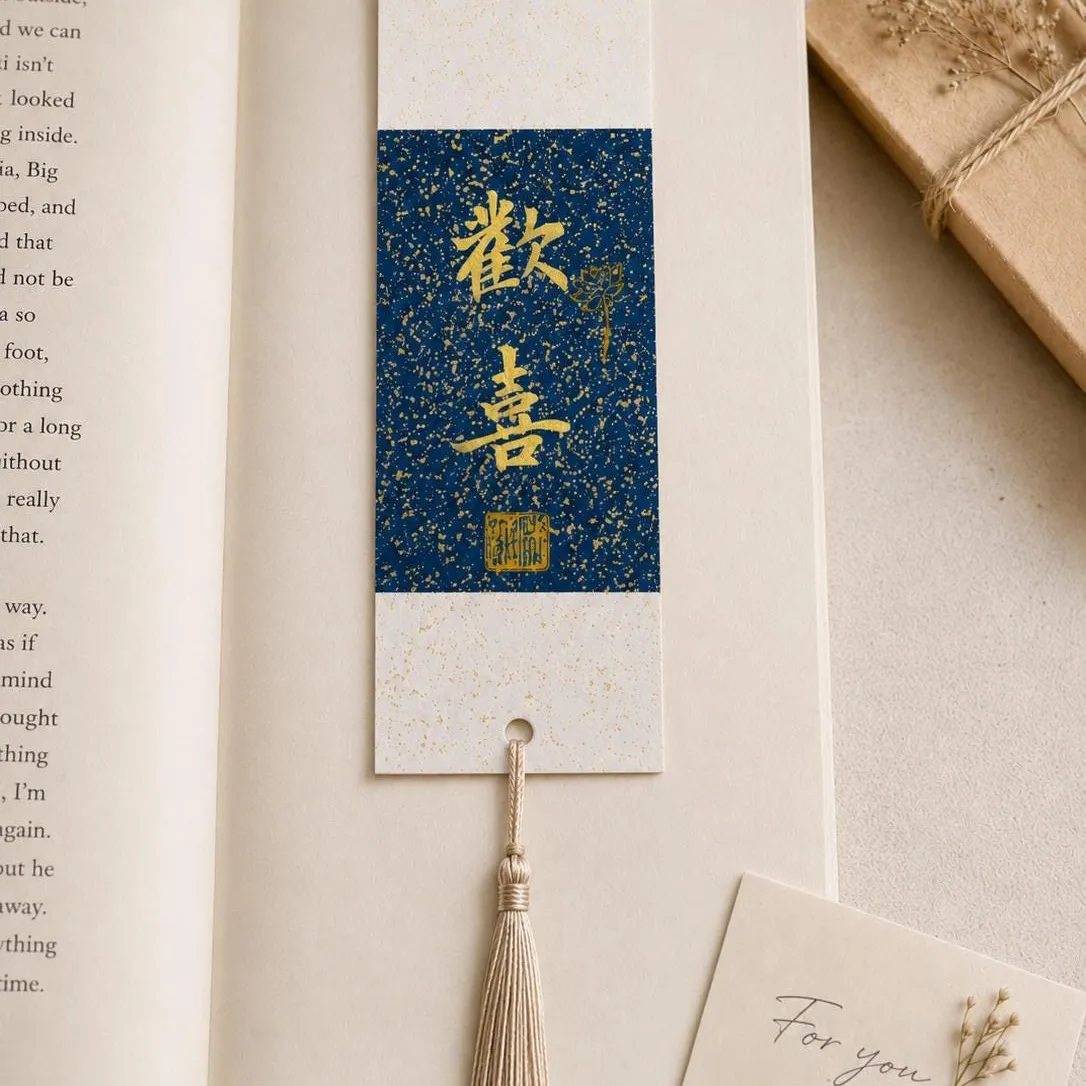
Photo shows a sample — yours will be brushed with 笃志, or any character you choose.
Bookmark — for readers & small thank-yousfrom $17→

What people said after it arrived.
-
The item is fantastic. The customer service was genuine. Thanks!
— M.Verified purchase · from our Etsy shop reviews · -
They were great they gave me exactly what I asked for and then some. Thank you!!
— G.Verified purchase · from our Etsy shop reviews · -
It is well designed and customized. My daughter loves it. Amazing gift for family’s d friends
— S.Verified purchase · from our Etsy shop reviews ·
Each "笃志" is hand-brushed by Artist Lina Sun on rice paper.
See 笃志 (Dǔ Zhì) on Etsy →