笃行 (dǔ xíng) — Acting on What You Know · Practice With Weight Behind It
A two-character word, not a single character.
The sentence from 中庸 that every Chinese student meets sooner or later has five verbs in it, and four of them happen without leaving your chair. 博学 — study widely. 审问 — question closely. 慎思 — reflect carefully. 明辨 — judge clearly. Then 笃行, which is the only one that requires going outside. The library already holds the first rung. See 博 → This is the last one, and the distance between them is the whole point of the list. 笃 is not a word for enthusiasm; it is a word for mass, the same character Chinese uses when an illness turns critical, 病笃, the sickness having gained weight. Taken by itself that character names no subject at all, which is how the same word ends up applied to a friendship and to an illness. See 笃 → Here the subject is fixed, and it is conduct. So 笃行 is not the wish that someone work hard — 勤 already counts the hours, whatever they were spent on. See 勤 → Nor is it a wish that they move fast; 敏 measures only the interval before the first move. See 敏 → 笃行 asks the narrower question: when this person acts, is there anything behind the act.
It is a word with an address in Chinese life. Sun Yat-sen wrote the ten characters of the ladder out as the motto of the university he founded in Guangzhou in 1924, and they are still cut into stone on its campus; the last two have since spread to campus mottos, to the buildings named 笃行楼 that students walk past without reading, and into the modern phrase 笃行不怠. Behind all of it sits the 儒行 chapter of 《礼记》, where the pair stands as a settled unit — 博学而不穷,笃行而不倦 — and 荀子, who ended his four-rung sequence of hearing, seeing, knowing and doing with the flat statement that learning stops at doing. 陆游 gave the household version, writing for his son by candlelight: what you get off the page always turns out shallow, and to really know a thing you have to do it with your own body.
A hand-brushed “笃行” by Artist Lina Sun is a graduation gift that says something a diploma cannot, because a diploma is a receipt for the first four steps and silent on the fifth. It suits the colleague whose word and work are the same size, and it is one of the few things in this library that can be given upward without awkwardness — to a boss, to a mentor — because it names a standard both people are under rather than grading anyone’s effort. Hung above a desk it asks its question every working day, and the question is not how much you know. It is what got done about it.
- acting on what you already know
- practice with weight behind it
- carrying study through into conduct
- the fifth and last step of learning
- hard work 勤 covers the hours, and counts them regardless of what they went into. 笃行 says nothing about how many. Its claim is about direction — that the doing followed the knowing. A person can be diligent at the wrong thing for a decade and never once be 笃行.
- perseverance 毅 needs something pushing back; 恒 needs a long stretch of time. 笃行 needs neither. Its requirement sits upstream of both: that there was study first, and that it did not stay in the head.
- sincerity 诚 is a person matching themselves — the inside and the outside being one thing. 笃行 is knowledge matching conduct. Someone can be entirely sincere about a principle they have never acted on once, which is exactly the case this pair was built to name.
The short arms are the point: these readings don’t reach it.
- 笃 weight, density — a thing that has acquired massShuowen defines it by a horse: 马行顿迟也, a gait gone heavy and slow. The 竹 above supplies only the sound. The same weight is why 病笃 means an illness has turned critical, and why 笃信 is belief solid enough to stand on.
- 行 to go, to act — and originally, a crossroadsThe oracle-bone form is four roads meeting, seen from above, not a walking leg. Whatever 笃行 is, it happens in the open, in the place where anyone passing can see it.
characters
- 笃学 dǔ xué study that has settled in for good rather than passing through
- 笃信 dǔ xìn belief gone dense enough to act on
- 笃志 dǔ zhì a purpose fixed and weighted — from Zixia's 博学而笃志
- 躬行 gōng xíng to do it with your own body — Lu You's test for whether you really know something
- 知行合一 zhī xíng hé yī Wang Yangming's harder version: knowing that never became doing was never knowing
- 脚踏实地 jiǎo tà shí dì feet planted on solid ground. A relative by sense with no character in common — 邵雍 said it of 司马光, and it is the phrase spoken Chinese reaches for today when it means what 笃行 means, minus the study that has to come first
Cinnabar marks the characters 笃行 actually contains. The dark row is a relative by meaning or by sound, not one shared stroke.
The Story Behind the Character
Xu Shen defines 笃 with a horse: 马行顿迟也 — a horse whose gait has gone heavy and slow. The 竹 sitting on top of the character is there for the sound and nothing else; the whole meaning is in the animal underneath, and specifically in an animal carrying enough that each step lands hard. That weight never left the word. 笃信 is belief that has settled and gone dense. 笃学 is study that has stopped being a phase. 病笃 — still live in written Chinese — means the illness itself has grown heavy, crossing from a condition into a verdict. 笃 has never meant strong, and it has never meant fast. It means a thing that has acquired mass.
The second half is stranger than it looks. 行 on oracle bone is not a leg and not a stride: it is a crossroads, four roads meeting, drawn as an intersection seen from above. Xu Shen, writing around 100 CE with the bone script buried and forgotten, read it as 人之步趋也 — a person's walking — and the misreading held for eighteen centuries, until the oracle bones surfaced at Anyang in 1899 and gave the character its picture back. The original 行 is not motion at all. It is a place, and a public one: where roads meet is where anyone can see you.
Put the two together and the pair means a heavy tread taken out into the intersection. 《礼记》 fixes it there twice. The 儒行 chapter, listing what a scholar is, gives 博学而不穷,笃行而不倦 — learning that does not run out, practice that does not tire. The 中庸 chapter gives the more famous version: 博学之,审问之,慎思之,明辨之,笃行之. Five verbs, and the order is the argument. Study, question, reflect, judge, then act. Four of the five happen inside a person's head. Only the fifth leaves it, and it is placed last not because it matters least but because nothing before it counts until it arrives.
Classical lines
- roughly 1,500 years
- c. 250 BCE 《荀子·儒效》
- c. 200 BCE 《礼记·儒行》
- 1270 CE 朱熹《朱子语类》
儒有博学而不穷,笃行而不倦。 The scholar's learning does not run out; his practice does not tire.
One of the two places in 《礼记》 where the two characters stand together as a fixed pair, and the sentence is careful to give each half its own way of failing. Learning goes dry. Doing goes slack. The chapter is Confucius's answer to Duke Ai of Lu, who asked him first about the scholar's dress and then about the scholar's conduct — 敢问儒行 — and got a long list back.
知之不若行之。学至于行之而止矣。 Knowing a thing is not as good as doing it. Learning reaches its end in the doing, and stops there.
Xunzi builds a four-rung sequence — hearing, seeing, knowing, doing — each better than the one before, then shuts the ladder at the top. The claim is deflationary on purpose: learning is not a condition to be in. It has a terminus, and you have not reached it until the thing shows up in conduct.
知之愈明,则行之愈笃;行之愈笃,则知之益明。 The clearer the knowing, the weightier the doing; the weightier the doing, the clearer the knowing.
Zhu Xi's answer to the obvious objection to Xunzi: if action is the point, why study at all? He turns the ladder into a loop. Each side feeds the other, which is also the only version of the idea that survives contact with a long career — the doing keeps correcting what you thought you understood.
Why This Character Matters
The clearest evidence for what 笃 actually means comes from the sickroom. 病笃 says an illness has turned critical, and there is no metaphorical leap involved — the illness has simply gained weight, the way a loaded horse's step does. Chinese kept that sense intact for two thousand years and carried it straight into 笃行, which is why the pair resists the reading a Western eye reaches for first. It is not enthusiasm, not zeal, not passion for the work. Those words describe a temperature. 笃 describes a mass, and 笃行 is the claim that when this person acts, the act has something behind it.
Sun Yat-sen brushed the ten characters of the 中庸 ladder as the motto for the Guangzhou university he founded in 1924, and they are still cut into stone on the campus of what is now Sun Yat-sen University. The last two have since travelled further than the other eight: 笃行 turns up on campus mottos across the country, on the name-plaque of buildings called 笃行楼, and in the fixed modern phrase 笃行不怠, keep at it without slacking. What kept the word usable when so much classical study-vocabulary curdled into slogan is that it never inflated. It asks for one thing, and the thing is checkable by anyone standing nearby: did the knowing turn into doing, or did it stay upstairs. 陆游 put the same test in a poem written for his son by candlelight — 纸上得来终觉浅,绝知此事要躬行, what you get off the page always turns out shallow; to really know a thing you have to do it with your own body.
A few characters live near "笃行" but mean something quieter, sharper, or more specific. Here's how to tell them apart.
the fifth rung of the same ladder — what happens once the studying stops
the first rung — how wide the intake was before anything else began
whether what a person knows ever reaches the ground
the hours put in, counted whatever they went into
how much weight the move carries
how little time passed before the first one
A degree is a certificate of the first four steps.
- A degree is a certificate of the first four steps. 博学, 审问, 慎思, 明辨 — study, question, reflect, judge — are exactly what school tests and exactly what a transcript can record. 笃行 is the fifth, and it is the only one that happens outside a room. That is why it lands on this occasion and almost nowhere earlier: the word is unsayable to someone who has not done the study yet, because it presupposes there is something to act on. 敏 hands the graduate a warning about how long they take to move; 勤 credits the hours already spent getting here. This one names the gap the next few years will actually test — whether what the graduate knows ever reaches the ground, and whether it keeps reaching it after the novelty of the first job wears off.
- For the colleague or friend whose defining trait is that things they say they will do get done — not quickly, not loudly, just done, with enough weight behind them to land. 笃 is a mass word: it is the character in 病笃, an illness gone heavy enough to be serious, and in 笃信, a belief dense enough to act on. Given on a birthday, 笃行 is not a wish for a good year and not praise for working hard. It says something narrower and harder to earn: that this person is one of the few whose knowing and doing are the same size. It works given upward to a boss as easily as sideways to a peer, because it names a standard both parties are under rather than rating anyone's effort.
Looking for a name? See Western names written in Chinese →
-
What does 笃行 (dǔ xíng) mean?
笃行 (dǔ xíng) is a two-character Chinese word for acting on what you know, practice with weight behind it. The sentence from 中庸 that every Chinese student meets sooner or later has five verbs in it, and four of them happen without leaving your chair. 博学 — study widely. 审问 — question closely. 慎思 — reflect carefully. 明辨 — judge clearly. Then 笃行, which is the only one that requires going outside. The library already holds the first rung. See 博 → This is the last one, and the distance between them is the whole point of the list. 笃 is not a word for enthusiasm; it is a word for mass, the same character Chinese uses when an illness turns critical, 病笃, the sickness having gained weight. Taken by itself that character names no subject at all, which is how the same word ends up applied to a friendship and to an illness. See 笃 → Here the subject is fixed, and it is conduct. So 笃行 is not the wish that someone work hard — 勤 already counts the hours, whatever they were spent on. See 勤 → Nor is it a wish that they move fast; 敏 measures only the interval before the first move. See 敏 → 笃行 asks the narrower question: when this person acts, is there anything behind the act. The clearest evidence for what 笃 actually means comes from the sickroom. 病笃 says an illness has turned critical, and there is no metaphorical leap involved — the illness has simply gained weight, the way a loaded horse's step does. Chinese kept that sense intact for two thousand years and carried it straight into 笃行, which is why the pair resists the reading a Western eye reaches for first. It is not enthusiasm, not zeal, not passion for the work. Those words describe a temperature. 笃 describes a mass, and 笃行 is the claim that when this person acts, the act has something behind it.
-
What occasions is 笃行 given for?
笃行 is traditionally given for Graduation, Birthday. A degree is a certificate of the first four steps. 博学, 审问, 慎思, 明辨 — study, question, reflect, judge — are exactly what school tests and exactly what a transcript can record. 笃行 is the fifth, and it is the only one that happens outside a room. That is why it lands on this occasion and almost nowhere earlier: the word is unsayable to someone who has not done the study yet, because it presupposes there is something to act on. 敏 hands the graduate a warning about how long they take to move; 勤 credits the hours already spent getting here. This one names the gap the next few years will actually test — whether what the graduate knows ever reaches the ground, and whether it keeps reaching it after the novelty of the first job wears off. For the colleague or friend whose defining trait is that things they say they will do get done — not quickly, not loudly, just done, with enough weight behind them to land. 笃 is a mass word: it is the character in 病笃, an illness gone heavy enough to be serious, and in 笃信, a belief dense enough to act on. Given on a birthday, 笃行 is not a wish for a good year and not praise for working hard. It says something narrower and harder to earn: that this person is one of the few whose knowing and doing are the same size. It works given upward to a boss as easily as sideways to a peer, because it names a standard both parties are under rather than rating anyone's effort.
-
Who brushes the 笃行 calligraphy?
Each 笃行 (Dǔ Xíng) is hand-brushed to order by Artist Lina Sun in ink on rice paper — never printed, never repeated.
Bring 笃行 home — choose how you'd like it brushed.
-
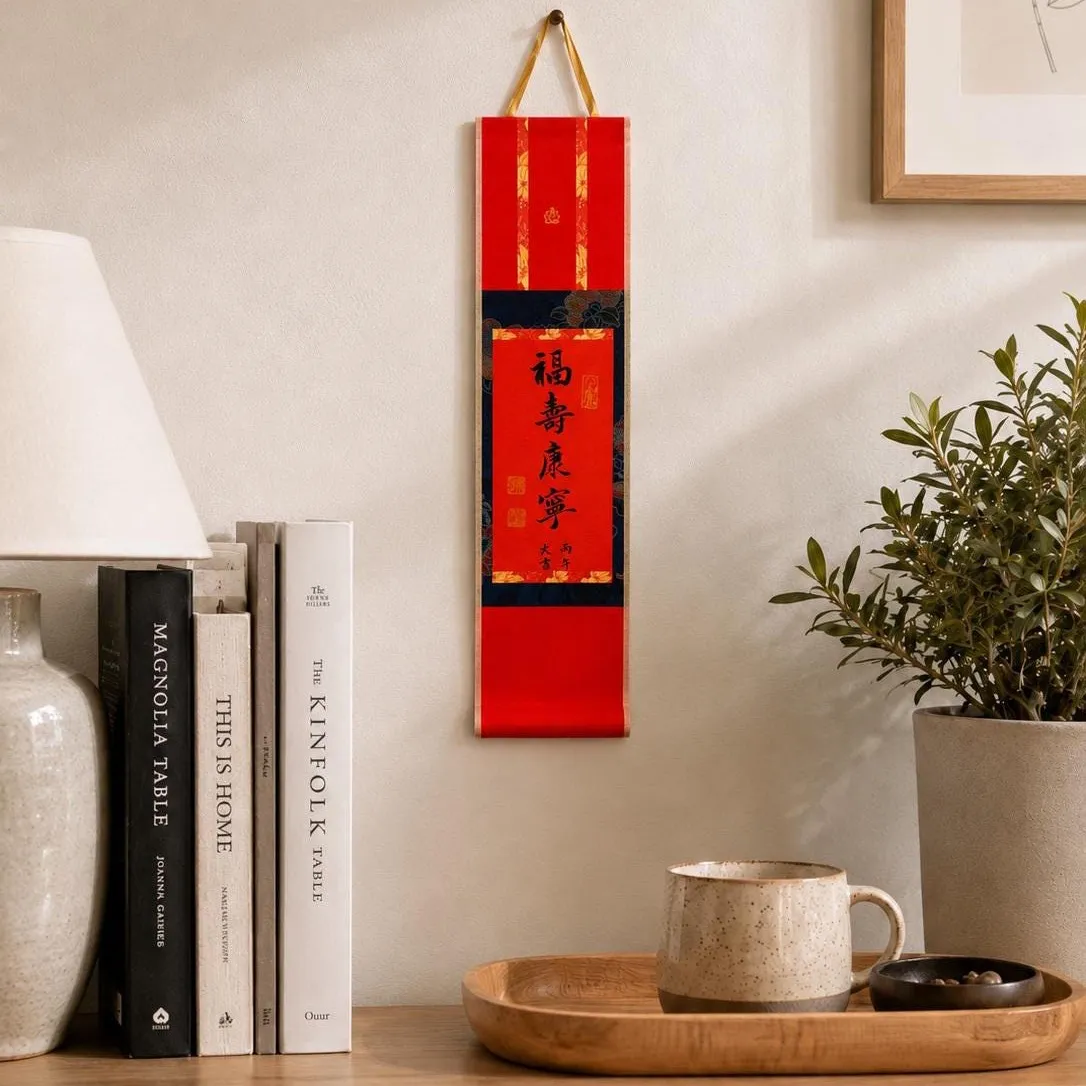
Photo shows a sample — yours will be brushed with 笃行, or any character you choose.
Wall Scroll — for walls & housewarmingsfrom $38→ -
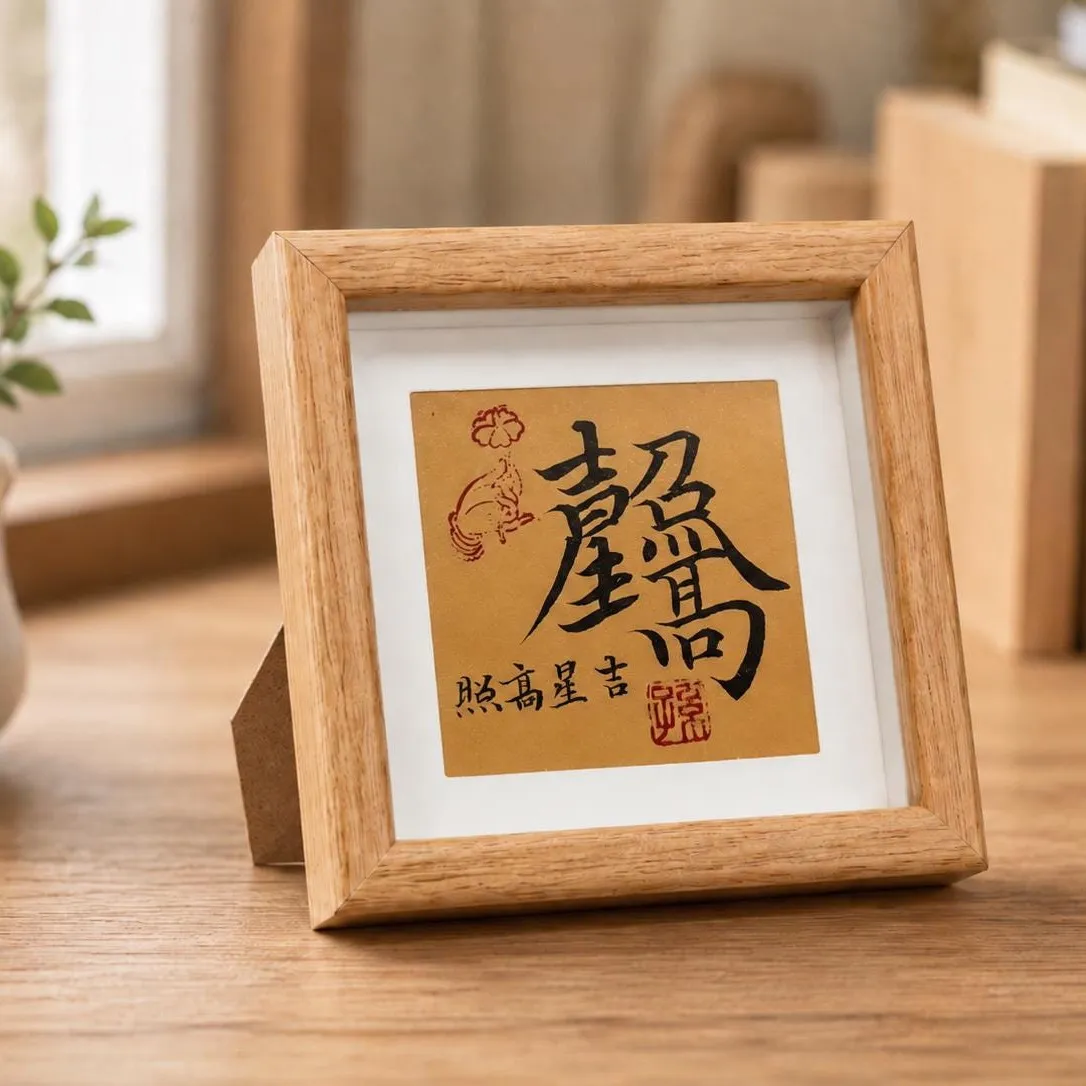
Photo shows a sample — yours will be brushed with 笃行, or any character you choose.
Desk Frame — for desks, studies & studiosfrom $44→ -
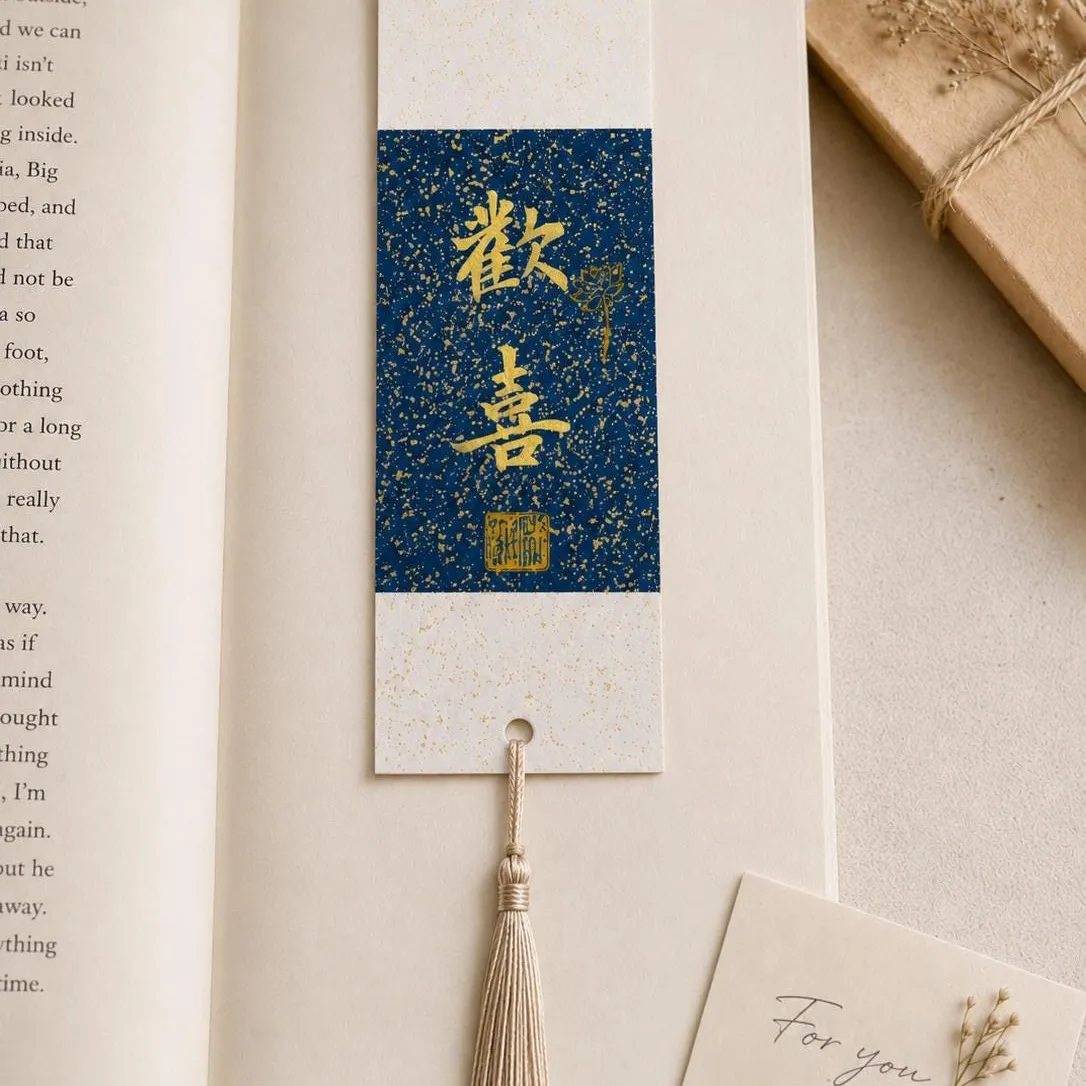
Photo shows a sample — yours will be brushed with 笃行, or any character you choose.
Bookmark — for readers & small thank-yousfrom $17→

What people said after it arrived.
-
The item is fantastic. The customer service was genuine. Thanks!
— M.Verified purchase · from our Etsy shop reviews · -
They were great they gave me exactly what I asked for and then some. Thank you!!
— G.Verified purchase · from our Etsy shop reviews · -
It is well designed and customized. My daughter loves it. Amazing gift for family’s d friends
— S.Verified purchase · from our Etsy shop reviews ·
Each "笃行" is hand-brushed by Artist Lina Sun on rice paper.
See 笃行 (Dǔ Xíng) on Etsy →