厚 (hòu) — Measurable Thickness · Margin Past the Minimum
A single character.
In 722 BCE a minister of Zheng looked at a duke’s brother, who had been pulling border towns into his own fief, and decided the quantity had crossed a line. The word he used was this one. 厚将得众: it has grown thick enough to win people. Duke Zhuang kept the noun and reversed the forecast, 厚将崩. What both men were measuring was territory, and the reply is that an amount with nothing holding it gives way. The character still does that job. It reports how much is there. Its opposite fits in one syllable, 薄.
Chinese kept the measure and laid it on anything that can be thin. A present is 厚礼 or it is 薄礼, and the difference is audible with no essay attached. 厚此薄彼 puts both ends in one phrase, thick toward this person and thin toward that one. On a person the living word is 厚道, and the praise stays negative in ordinary speech: 他待我不薄, said of an old friend or an old employer, meaning the margin was never shaved. See 宽 → is the other axis, how much of someone else’s error fits inside. See 德 → is the ground of a whole life. This character is only the through-measurement, which is why See 宽厚 → is a pair and why See 厚德 → is the measure taken on virtue rather than the measure itself. See 笃 → borrows 厚 as a gloss and then will not name the noun. Here the noun is thickness.
A hand-brushed 厚 by Artist Lina Sun is for a record that is a margin. For a father it is the outbound number, distinct from the carrying named by See 厚德载物 →, which asks what was loaded onto him. For a grandparent it is the neighbors’ double negative with the negation taken off and handed over directly. For a friend it is a reading of 交情: not that they showed up, but that what came with them was never the thin version of the same help. In a house that already knows which ledger is meant, the one character is enough.
- a dimension you can measure — a hillside, a board, a gift weighed as 厚礼 or 薄礼
- the margin past what the case required — 厚待, 待我不薄
- one axis with two ends — 厚此薄彼, thick here and thin there
- conduct found not thin, checked over time rather than in a single evening — 厚道
- generous 慷慨 can be performed in an evening and is usually about money leaving the hand. 厚 is a margin that was never the thin one, mostly visible in what someone declined to shave, and it takes longer than a dinner to see.
- kind 温 is a temperature, how a person feels to be near. This character does not take a reading of warmth. A cool person can be 厚, and a warm person can still be 薄.
- deep virtue That is 厚德: this measurement applied to 德, and then, in 厚德载物, asked to carry weight. The single character does not name virtue and does not name the carrying. It names the thickness those compounds put to work.
- tolerant 宽 measures across — how much of other people's error fits inside. 厚 measures through. The pair 宽厚 exists because the two fail separately, and 薄 is the word for having only the first.
The short arms are the point: these readings don’t reach it.
- 厂 the cliff — the cut that makes thickness visibleTwo strokes, written first: a horizontal across the top, then a left-falling stroke down the left side. It does not close the bottom. 许慎's 山陵之厚也 depends on this cut. A hill's depth cannot be seen until something opens a face.
- 㫗 亯 turned over — the interior, not a meaning of depth by itself许慎 defines 㫗 as 从反亯. In regular script the interior is written as 日 over 子, nine strokes for the whole character. 徐锴 turns the offering downward and gets thickness. 段玉裁 reads the inversion as keeping what should have been offered. The semantic load 许慎 states for 厚 is the hillside, and 段 notes that 㫗 itself fell out of use.
character
- 厚道 hòu dào decent in the dealings nobody itemizes — declining the advantage that was quietly available
- 厚待 hòu dài to treat someone past the minimum the situation required
- 厚此薄彼 hòu cǐ bó bǐ thick toward one and thin toward the other — both ends of the axis in a single phrase
- 宽厚 kuān hòu the pair that keeps this axis and adds breadth. Tolerance and thickness are separately checkable. · broad and substantial
- 厚德 hòu dé this measurement taken on virtue, rather than on a gift or a dealing · deep virtue
- 刻薄 kè bó cutting and thin — a dark row on purpose, sharing no character with 厚. 薄 is the antonym; 刻 supplies the edge.
- 后土 hòu tǔ a dark row by sound. The classical name for the soil uses the homophone 后, the same 后 段玉裁 reads as merely phonetic in the 古文 graph 垕, and shares no character with 厚.
Cinnabar marks the characters 厚 actually contains. The dark row is a relative by meaning or by sound, not one shared stroke.
The Story Behind the Character
Cut a hill open and the thickness is the face you are looking at. 许慎 defines the character as 山陵之厚也 — the thickness of hills and mountains — and takes the graph as 从厂,从㫗. 厂 is the cliff, the cut that lets anyone see how far the mass runs. 段玉裁, faced with a received text that had defined the word by repeating it, prints 山陵之㫗也 instead and notes that every 厚薄 in the classics is now written with this character. The older graph 㫗 dropped out of ordinary use. 厚 took the whole job, including the pairs where the opposite is 薄.
㫗 is not a picture of depth standing on its own. 许慎 files it as 从反亯, 亯 turned over. 徐锴 reads the turn as a direction: 以進上之具,反之於下則厚也, take what is used to offer upward and turn it downward, and you get thickness. 段玉裁 reads the same inversion as conduct — 倒亯者,不奉人而自奉, keeping for oneself what was meant to be offered on. The notes do not agree, and the thickness 许慎 actually defined sits in the hillside, not in either gloss of the vessel. A second graph for the word makes the soil explicit. 许慎 records 垕 as the 古文 form, and 段 takes that one apart as 从土,后声: earth, with the homophone 后 there only for the sound.
The measure never retired into metaphor and stayed there. A present is still 厚礼 or 薄礼. Treatment is 厚待, and the sentence people actually say is the double negative 待我不薄, because the positive is more than most rooms will pronounce. Point the same measure at a face and it is an insult. 《诗经·小雅·巧言》 already has 颜之厚矣, and living speech still says 厚脸皮. Between the hillside and the rebuke the character did not change jobs. Thick in what remains a question the noun beside it has to answer.
Classical lines
- roughly 500 years
- c. 8th c. BCE 《诗经·小雅·正月》
- 722 BCE 《左传·隐公元年》
- c. 300 BCE 《孟子·尽心上》
谓地盖厚,不敢不蹐。 They say the earth is surely thick, and still I dare not take a full step.
The speaker is walking as if the ground might give, which only works if 厚 is a measurement someone could be wrong about. 徐锴, commenting on 许慎's entry for this character, quotes 谓地盖厚 and stops there. The dictionary definition is a hillside's thickness, and the poem is still talking about the ground.
不义不暱,厚将崩。 Where there is no rightness and no closeness, thickness will collapse.
子封 has just told Duke Zhuang of Zheng that his brother's fief is 厚将得众, grown large enough to win people. The duke keeps the noun and changes the ending. 杜预 glosses 厚 here as 土地广大, territory grown broad, and reads the reply as 虽厚必崩: however much of it there is, it gives way. The received 注疏 writes 暱; 昵 is the same word. The line is about an amount, and the amount is not a virtue.
于所厚者薄,无所不薄也。 Be thin toward the people you owe thickness, and there is no one you will not be thin toward.
孟子 sets 厚 and 薄 in one clause and makes the second a consequence of the first. The character is a quantity owed to particular people. Skimping it where it was due is treated as evidence about the rest of the ledger, which is why 厚此薄彼 can still indict a whole pattern in four characters.
Why This Character Matters
The Doctrine of the Mean climbs a chain of consequences and then gives two dimensions separate jobs. 博厚所以载物也 — breadth together with thickness is what carries things — and the matching line, 博厚配地, is already quoted on the 天长地久 page. The job sentence is the one that matters here. 博 and 厚 stay two measurements inside a single compound. Breadth is one axis. Thickness is the other. Chinese needed 宽厚 because a person can pass the first and fail the second, and the name of that failure is 薄.
What demonstrably gets brushed in this slot is usually two characters. 厚德 is the form carved at a university gate. 宽厚 is what families say out loud. The single character is the measurement both of those are built on, and it is still the word a present, a rebuke, and a surname are using. 《广韵》 records 厚 as a surname, taken from 《姓苑》, so a lone graph can be read as a name before it is read as 厚道. On a wall, the room decides which ledger is meant. That is a worse bet on skin, which is what the tattoo notes are for.
Nothing unlucky attaches to the graph itself. The insult is a compound: 厚脸皮 and 厚颜 need 脸 or 颜 written out, and a bare 厚 is not read as shameless. 《广韵》 does list it as a surname, so one reader in a crowd may try it as a name before trying 厚道. It is not a common given name on its own, which pushes the next guess toward the virtue compounds — 厚道, 厚德, 宽厚 — and then toward asking which noun was left off. Two characters close the question. One character is legible and still incomplete, which is why it belongs on paper in a house that already knows the ledger, more safely than it belongs on an arm.
Calligraphy Styles for Tattoos
- Regular script (楷书 kǎishū) Best for tattoos
Nine strokes in a left-top enclosure. 厂 is written first, a top horizontal and a left-falling stroke that does not close the bottom. Inside, 日 sits above 子. The interior gaps of 日 and the short 横撇 that starts 子 are what close up when the piece is too small. Regular script keeps them open. Minimum recommended size: 1.5 inches.
- Clerical script (隶书 lìshū) Worth considering
The Han clerical hand is wide and slow, which suits a word about mass. The base horizontal can take the long wave clerical script is known for, so the character sits. Work from a calligrapher's original. A font will even out the 日 and the 子 until the interior reads as a grid.
Common Mistakes to Avoid
- Reading the lower interior as the character 子, childIntended: 厚 — 日 over 子 is what 反亯 became in regular script
教育部《异体字字典》 describes the regular-script hand as 厂, then 日, then 子. The 子 is a late way of writing the inverted 亯, not the word for a child and not a wish about offspring. A design built on 'thick child' or 'generous son' is reading a stroke group.
- A lone 厚 where 厚德 was intendedIntended: 厚德 — thickness measured on virtue
On a wall the room often supplies the second character. On skin it does not. A Chinese reader meeting one character will ask 厚什么. The public form in this meaning is 厚德. If the tattoo has to stand in a queue with no household around it, brush both characters.
- Taking 厚 for 后, the homophoneIntended: 厚 — the graph with 厂, not 后
后 (hòu) is a different character, meaning after, and in the 古文 form 垕 it is only the phonetic beside 土. They are not interchangeable in a tattoo. 皇后 is an empress. This character is not that word, and writing 后 by mistake changes the piece into one.
Notes for Your Tattoo Artist
Nine strokes, and the balance is the enclosure against the stack. The 撇 of 厂 should run most of the left side and stop above the baseline, leaving stroke 9 — the last horizontal of the 子 — as the foundation, slightly wider than the 日 above it so the mass sits. Stroke 7, the 横撇 that opens the 子, is short; if it is drawn as a full-width horizontal the lower half becomes a second 日. Keep the three compartments of 日 actually open. The commonest failure is a 厂 so heavy that the interior is a dark lump, which at wearable size is how the character turns into a mark nobody can read. Vary the interior strokes. The structure repeats horizontals, and identical length on all of them flattens it. Minimum 1.5 inches.
A few characters live near "厚" but mean something quieter, sharper, or more specific. Here's how to tell them apart.
thickness — what went out, measured through
breadth — how much of other people's error fits inside
one dimension, checkable against 薄
the accumulated moral ground of a life, with no single ruler for it
thickness named as itself — a hillside, a gift, a dealing
a density fastened onto some other noun, which the word never names
厚待 is what Chinese calls treatment that ran past the minimum, and a father is where most people first watched it happen.
- 厚待 is what Chinese calls treatment that ran past the minimum, and a father is where most people first watched it happen. 厚德载物 names the load that sat on him. 宽厚 names his tolerance and this margin together. The single character keeps only the margin: the cousin's school fee paid without a meeting, the price that was not the highest the afternoon would bear, the favor that was never invoiced back. The day does not create that record. It is when a grown child who saw the small cases writes the number down.
- A birthday adds up what can be seen — the years, the work, the people who came. This character adds up a margin instead, how far past the minimum someone's dealings ran, the way 厚礼 and 薄礼 still sort a present with no further essay. 廉 on the same occasion counts what a life left untouched. This one counts what was added when adding was optional. A friend at a round number and a grandparent at a long one are both eligible, because the reading needs elapsed time and does not need a post.
Dad · Grandparent · Friend · or yourself
Looking for a name? See Western names written in Chinese →
-
What does 厚 (hòu) mean?
厚 (hòu) is the Chinese character for measurable thickness, margin past the minimum. In 722 BCE a minister of Zheng looked at a duke's brother, who had been pulling border towns into his own fief, and decided the quantity had crossed a line. The word he used was this one. 厚将得众: it has grown thick enough to win people. Duke Zhuang kept the noun and reversed the forecast, 厚将崩. What both men were measuring was territory, and the reply is that an amount with nothing holding it gives way. The character still does that job. It reports how much is there. Its opposite fits in one syllable, 薄. The Doctrine of the Mean climbs a chain of consequences and then gives two dimensions separate jobs. 博厚所以载物也 — breadth together with thickness is what carries things — and the matching line, 博厚配地, is already quoted on the 天长地久 page. The job sentence is the one that matters here. 博 and 厚 stay two measurements inside a single compound. Breadth is one axis. Thickness is the other. Chinese needed 宽厚 because a person can pass the first and fail the second, and the name of that failure is 薄.
-
What occasions is 厚 given for?
厚 is traditionally given for Father's Day, Birthday. 厚待 is what Chinese calls treatment that ran past the minimum, and a father is where most people first watched it happen. 厚德载物 names the load that sat on him. 宽厚 names his tolerance and this margin together. The single character keeps only the margin: the cousin's school fee paid without a meeting, the price that was not the highest the afternoon would bear, the favor that was never invoiced back. The day does not create that record. It is when a grown child who saw the small cases writes the number down. A birthday adds up what can be seen — the years, the work, the people who came. This character adds up a margin instead, how far past the minimum someone's dealings ran, the way 厚礼 and 薄礼 still sort a present with no further essay. 廉 on the same occasion counts what a life left untouched. This one counts what was added when adding was optional. A friend at a round number and a grandparent at a long one are both eligible, because the reading needs elapsed time and does not need a post.
-
Is 厚 a good Chinese tattoo?
Nothing unlucky attaches to the graph itself. The insult is a compound: 厚脸皮 and 厚颜 need 脸 or 颜 written out, and a bare 厚 is not read as shameless. 《广韵》 does list it as a surname, so one reader in a crowd may try it as a name before trying 厚道. It is not a common given name on its own, which pushes the next guess toward the virtue compounds — 厚道, 厚德, 宽厚 — and then toward asking which noun was left off. Two characters close the question. One character is legible and still incomplete, which is why it belongs on paper in a house that already knows the ledger, more safely than it belongs on an arm.
-
Who brushes the 厚 calligraphy?
Each 厚 (Hòu) is hand-brushed to order by Artist Lina Sun in ink on rice paper — never printed, never repeated.
Bring 厚 home — choose how you'd like it brushed.
-
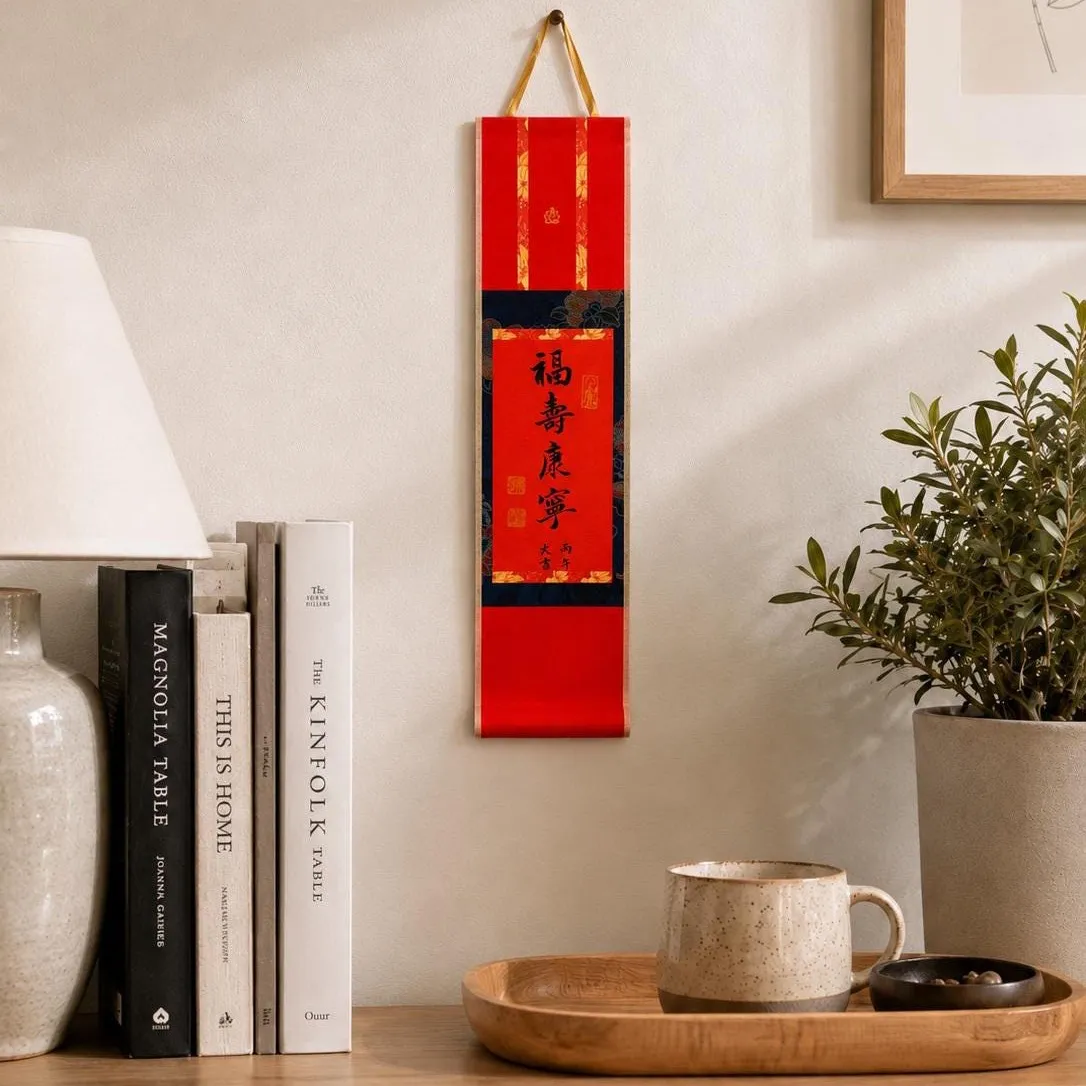
Photo shows a sample — yours will be brushed with 厚, or any character you choose.
Wall Scroll — for walls & housewarmingsfrom $38→ -
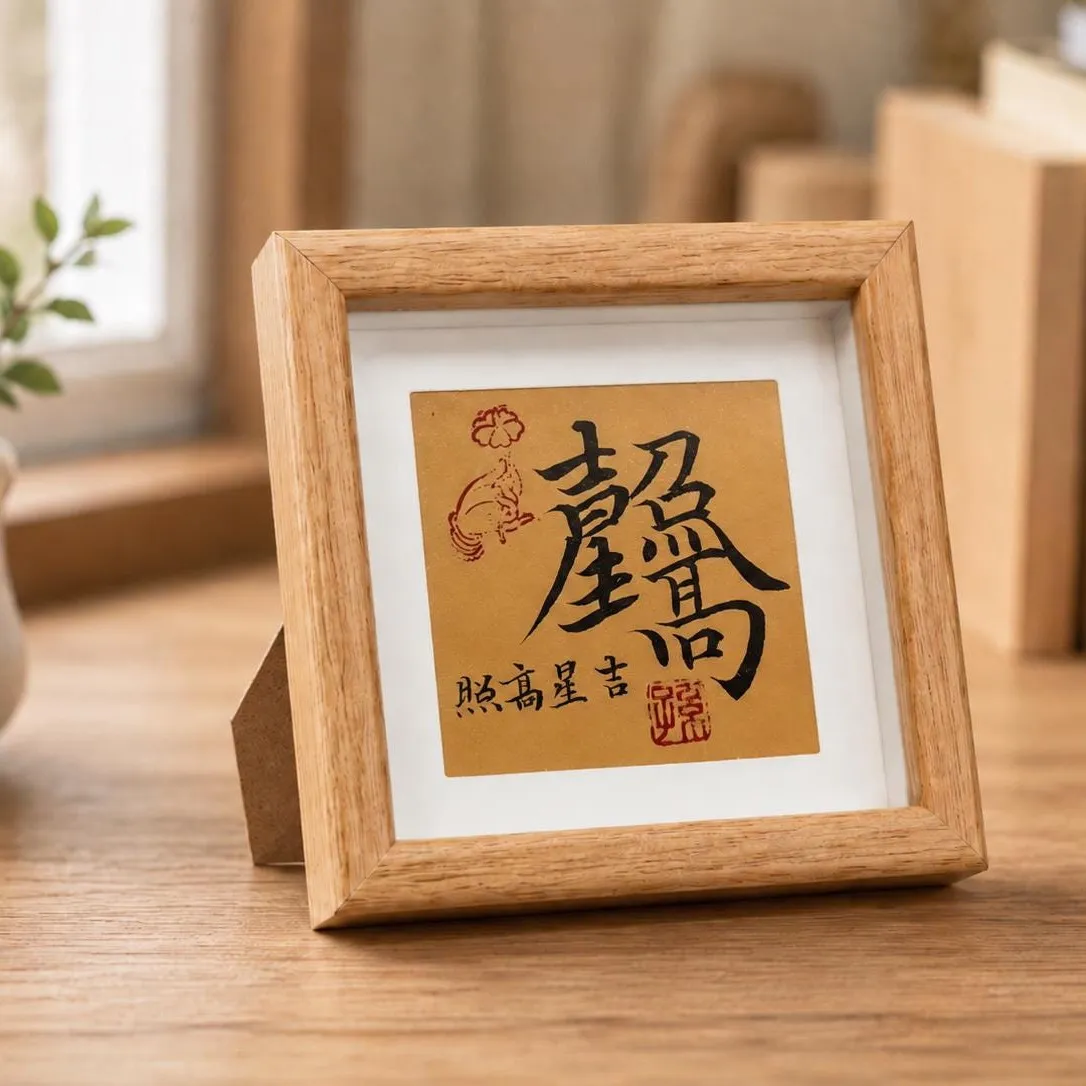
Photo shows a sample — yours will be brushed with 厚, or any character you choose.
Desk Frame — for desks, studies & studiosfrom $44→ -
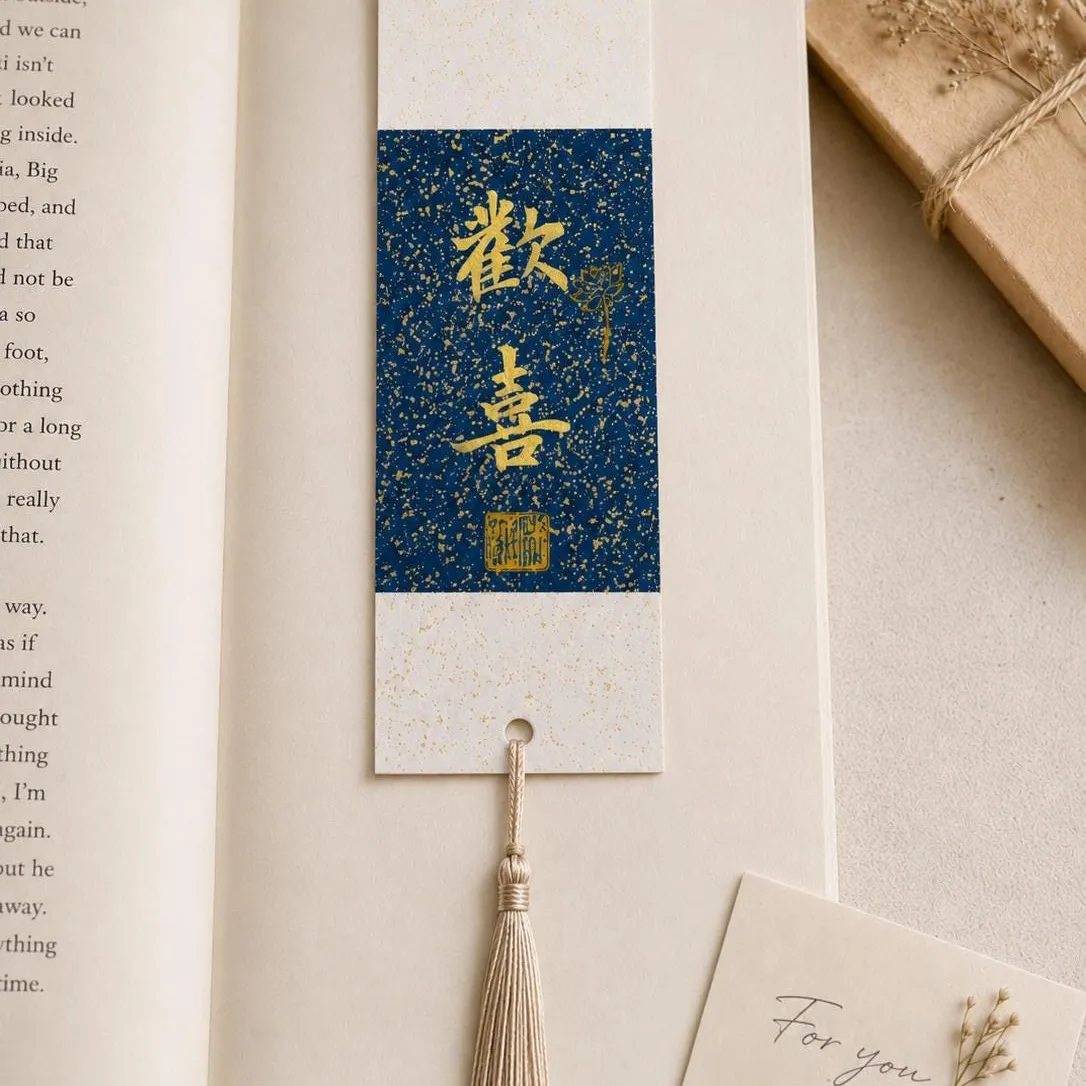
Photo shows a sample — yours will be brushed with 厚, or any character you choose.
Bookmark — for readers & small thank-yousfrom $17→
What people said after it arrived.
-
The item is fantastic. The customer service was genuine. Thanks!
— M.Verified purchase · from our Etsy shop reviews · -
They were great they gave me exactly what I asked for and then some. Thank you!!
— G.Verified purchase · from our Etsy shop reviews · -
It is well designed and customized. My daughter loves it. Amazing gift for family’s d friends
— S.Verified purchase · from our Etsy shop reviews ·
Each "厚" is hand-brushed by Artist Lina Sun on rice paper.
See 厚 (Hòu) on Etsy →