达 (dá) — Arrival · Getting Through · Effect Rather Than Reputation
A single character.
子张 wanted to know what makes a man 达, and Confucius answered by asking him what he thought the word meant. Known throughout the state, said 子张; known throughout the great house. 是闻也,非达也 — that is being heard of, not having arrived. Then he gave his own version, and not one clause of it concerns visibility: straight in substance, loving what is right, weighing what people say and watching their faces, willing to place himself below them. 达 (dá) is the verb for reaching the far end of something, and that exchange in the Analects fixed it in Chinese as the opposite of a reputation. Its nearest neighbour here is 通, and the two make a real word together, 通达. 通 asks whether the line between two points is open; 达 asks the question that comes after it — whether anything got to the other end. 颖 takes the opposite view of the situation 达 is most often used about: it asks that ability which has gone unremarked be seen, where 达 does not ask whose name ended up on it. See 通 → · See 颖 →
In ordinary use the word is administrative and unremarkable. 抵达 is what the departures board says. 送达 is what a court says when a summons has legally reached the person named on it. 表达 is getting a thought out to where somebody can receive it, and 词不达意 is the standard admission that it did not work. 四通八达 describes a town roads reach from every side. Alongside all of that runs the older sense, still live: 豁达 for the person who took bad news without contracting around it, and 达人知命, which 王勃 wrote into 《滕王阁序》 in 675 for someone who has seen far enough into how things stand to stop arguing with them. The same two characters now title a television talent show, having come back into Chinese from Japanese with 达人 meaning a master of one narrow thing — the word survived the trip because both readings turn on having got all the way into something.
A hand-brushed “达” by Artist Lina Sun suits three people. The colleague whose account of a problem reaches the person who has to act on it — not the same skill as being articulate, and rarer. The manager who gets things through an organization instead of being visible in one. And the father — because here 达 takes an object. 己欲达而达人: the arriving is done to somebody else, which is the accurate description of a man whose own progress is best measured by where his children ended up standing. One practical note if you are giving it. 达 is a verb and will invite the question of what is being arrived at, and 发达 — to make it big — is the loudest sense in its range. Name the reading you mean on the card, 通达 or 达人知命, and the right one arrives with it.
- to arrive
- to reach the far end
- to get through to
- to convey, to deliver
- to have got somewhere
- unstuck, wide in outlook
- famous That is 闻, and the Analects separated the two on purpose. 闻 is what circulates about a person; 达 is whether anything they actually are reaches anybody. Confucius's word for the person who has the first without the second is 色取仁而行违 — wears the look of it, acts against it, entirely untroubled.
- connected 通 asks whether the line between two points is open. 达 asks the question after it: whether anything got to the other end. The compound 通达 keeps both halves because either can fail while the other holds.
- successful 显达 and 发达 do carry rank and money, but the rank sits in the compound, not in this character. 达 by itself stays a verb of arrival and never says what was found on landing — 禄 is the entry that counts the provision.
- easygoing 豁达 and 达观 give the character a temperament, but it is downstream of the meaning rather than part of it. The 达 person is unstuck because they have seen to the far end of a thing, not because it matters less to them.
The short arms are the point: these readings don’t reach it.
- 辶 road and foot / covering groundContracted from 辵, a footprint beside a stretch of road. It holds the whole meaning — 《说文解字》 leaves the other component with nothing but the sound — so every claim 达 makes is a claim about ground got across. It is the same radical carried by 通 (to pass through), 远 (far), 途 (route) and 遂 (to carry through).
- 大 sound — and, in the oldest forms, a personThe traditional 達 has 羍 (dá) here, which 《说文解字》 glosses as a newborn lamb and analyses as 从羊大聲 — the sheep radical, with 大 there for the sound. The modern form simply drops the sheep and keeps the sound, following the variant 达 that Xu Shen had already listed around 100 CE. In the oracle-bone forms assigned to the character, the element is read as 大 in its original sense: a person seen from the front, standing on the road.
character
- 通达 tōng dá the road open and the far end reached — the word keeps both because either half fails on its own
- 抵达 dǐ dá to arrive — the plain modern verb, the one on every departures board
- 表达 biǎo dá to express — to get a thought out to where someone can receive it
- 豁达 huò dá wide and unobstructed in temperament; not held by a setback
- 达人知命 dá rén zhī mìng 王勃's phrase for the person who has seen far enough to stop arguing with what is allotted
- 词不达意 cí bù dá yì the words did not arrive at the meaning — the character's most useful failure
The Story Behind the Character
The six-stroke 达 that mainland China standardized in 1956 is older than the reform by eighteen centuries. Turn to the entry in 《说文解字》 (Shuowen Jiezi, c. 100 CE) and Xu Shen, having defined 達 and parsed it 从辵,羍聲, adds one more line: 达,達或从大 — 达, the same character, written with 大 instead. The simplification did not invent the form. It picked the variant Xu Shen had already recorded, and the choice was tidier than it looks, because 羍 (dá, which Xu Shen glosses as a newborn lamb) is itself built from the sheep radical with 大 supplying its sound. Dropping the sheep went straight to the phonetic underneath it.
The definition Xu Shen gives is stranger than the character's modern use suggests. Not "to arrive" but 行不相遇也 — to walk and not meet anyone. He supports it with a line from 《诗经》, 挑兮达兮, the speaker pacing back and forth on the city tower, waiting for someone who has not come. So the earliest sense on record is stated as an absence: nothing in the road, nothing that stopped you. Compare the entry a few pages away, where 通 is defined simply as 達也. The two characters were already explaining each other in 100 CE, and they still divide the work the same way — one for the road being clear, one for the far end being reached.
What the character gained afterward was a second argument place. 达 is transitive in classical Chinese, and Confucius's best-known use of it puts a second person on the far end: the verb takes an object, and the object is a human being. From there the word climbs in two directions at once. Upward it becomes position and means — 显达, 发达, the sense 孟子 sets against 穷 when he divides a life into its two conditions. Sideways it becomes conveyance: 送达 for a summons that has legally reached its recipient, 传达 for a message passed on, 表达 for a thought got out to where someone can receive it, and its failure 词不达意, the words did not arrive at the meaning.
Classical lines
- roughly 600 years
- c. 400 BCE 《论语·颜渊》
- c. 400 BCE 《论语·雍也》
- 227 CE 诸葛亮《出师表》
夫达也者,质直而好义,察言而观色,虑以下人。在邦必达,在家必达。 The one who has arrived is straight in substance and loves what is right, weighs what is said and watches the face, and thinks about placing himself below others
such a man gets through in the state, and gets through in the great house. — Confucius's answer to a student who had just defined 达 as being known everywhere, and been told flatly that he had described something else: 是闻也,非达也, that is being heard of, not having arrived. Note that not one clause of the definition is about visibility.
己欲立而立人,己欲达而达人。 Wanting to stand himself, he gets others standing; wanting to arrive himself, he gets others there.
The sentence is Confucius's definition of 仁, not of 达, which is precisely what makes it useful here: 达 turns up in it as something you do to another person. Both verbs are transitive, and both are measured on somebody else.
苟全性命于乱世,不求闻达于诸侯。 I sought only to keep body and life intact in a broken age, and did not seek to be heard of or to rise among the lords.
Zhuge Liang recalling the years he farmed at Nanyang before he was sent for. Six centuries after the Analects pried 闻 and 达 apart, they stand fused here as one word, 闻达 — fame and position together — which is a fair measure of how hard the distinction was to hold on to.
Why This Character Matters
王勃 wrote 达人知命 into 《滕王阁序》 in 675 CE — the 达 person knows what is allotted — meaning someone who has seen far enough into how things stand to stop arguing with them. The same two characters now head a television talent contest — 《中国达人秀》, first broadcast in 2010 — and turn up daily in 美食达人 and 理财达人, where 达人 means somebody very good at one particular thing. That sense is a re-import: in Japanese the classical word was narrowed to 達人, a master of a craft, and came back into Chinese from there. The character travelled from a philosophical temperament to a stage act and stayed legible the whole way, because both readings turn on the same idea — somebody who has got all the way into something.
Two other places the word lives are worth knowing before it is given. 四通八达 is what Chinese says about a place roads reach from every direction, and it is ordinary infrastructure language, on planning documents and estate agents' listings alike. 豁达 is temperament: wide open, not held by a setback, the compliment paid to someone who took bad news without contracting around it. And there is one reading to steer, which is 发达 — to make it big, said of a person and of an economy. It is the most commercial sense the character carries, and the one most likely to be heard first if a lone 达 is hung without any framing.
A Chinese reader meeting 达 on skin would most likely land on 通达 or 豁达 and read the wearer as someone who cares about getting there rather than about being seen getting there — a quieter claim than 强 or 勇, and a rare one on a tattoo chart. Three things are worth weighing before committing. 达 is a verb, so standing entirely alone it invites the question of what is being arrived at, and benefits from a phrase or a placement that answers it. It is common in Chinese given names, which means a lone character can read as a name fragment rather than as a statement. And 发达 — to make it big — is the most commercial sense in the character's range and the one a stranger may reach for first. Set inside 通达, 豁达 or 达人知命, none of that arises.
Calligraphy Styles for Tattoos
- Regular script (楷书 kǎishū) Best for tattoos
6 strokes, one of the lightest characters in this library, and almost no enclosed space to fill in. Regular script seats 大 squarely on the 辶 sweep and keeps the two falling strokes from overrunning it. Minimum recommended size: 1.25 inches — it holds smaller than most characters here.
- Running script (行书 xíngshū) Very good
辶 is what running script handles best: its strokes become one gliding motion, which suits a character about getting somewhere. The only thing to watch is 大 riding up and losing contact with the sweep beneath it. Good from 2 inches.
- Cursive script (草书 cǎoshū) Only with an expert calligrapher
With so few strokes there is nothing left to lose in cursive: the 辶 flattens to a tail, 大 reduces to a cross, and the result is hard to tell from 过 or 边 by shape alone. Attempt only with a calligrapher who specializes in cursive and can show you their 达.
Common Mistakes to Avoid
- Getting 过 (guò) tattooed when 达 was intendedIntended: 达 — to arrive, to get through
Both are a small component riding a 辶 sweep, and the enclosed component is the whole difference: 大 gives 达, 寸 gives 过 (to pass, to cross, and in 过错 a fault). In a stylized font pulled from an image search that difference is a couple of pixels. Confirm the enclosed component against a printed dictionary before the stencil is cut.
- Writing 大 as 犬Intended: 达 with 大 formed correctly
犬 is 大 with a dot added at the upper right, and it means dog. The result is not a standard character at all, so it does not read as a stylistic variant — a native reader registers the stray dot immediately as a mistake. Watch for it especially in brush-script fonts, where a genuine ink spot and a deliberate dot look the same.
- Mixing 达 and 達 inside one designIntended: one form, used consistently throughout
達 is the traditional form, standard in Taiwan and Hong Kong and in most calligraphy; 达 is the mainland standard, and both are correct on their own. A multi-character piece that uses 達 in one position and simplified forms elsewhere reads to a native speaker the way mixed typefaces read in English — as an accident rather than a choice.
Notes for Your Tattoo Artist
6 strokes, written 大 first and 辶 last, which means everything above has to be sized in anticipation of a sweep that does not exist yet. Keep 大 compact and slightly high, its horizontal short, its two falling strokes opening evenly and stopping short of the sweep's ends rather than hanging over them. The 辶 finishes with a long level stroke that should extend past 大's right foot. With so few strokes there is nowhere to hide an imbalance: the usual failure is a wide, low 大 crowding a short sweep, which makes a character about getting somewhere look like it has stopped.
A few characters live near "达" but mean something quieter, sharper, or more specific. Here's how to tell them apart.
whether anything reached the far end
whether the line between the two ends is open at all
the far end reached — arrival, measured on someone else
how far out the far end sits — range, measured from where you stand
the landing, and whether it was substance that landed
the point coming through into view — the emerging, not the arriving
A transcript is a record of what is known about a student, and 《论语》 has a separate word for that: 闻, being heard of.
- A transcript is a record of what is known about a student, and 《论语》 has a separate word for that: 闻, being heard of. When 子张 defined 达 as being known throughout the state, Confucius refused the definition on the spot — 是闻也,非达也 — and replaced it with a test taken at the far end rather than in the file. That is the more useful of the two standards for someone leaving a system that scored them almost entirely on the first one. It differs from what 笃行 asks, which is whether the knowing turned into doing at all; 达 asks the question one step further out, whether the doing reached anybody — and it is untroubled by the work landing with someone else's name attached to it.
- 达 can take an object, and the Analects uses it that way — the arriving done to a second person rather than reported about oneself. That construction is what makes the character usable about a father at all. Much of what he was working toward was never going to arrive inside his own working life; it arrived inside somebody else's. 通, elsewhere in this catalog, credits the channel that never closed between the two of you. 达 asks the blunter question of what travelled down it — and for most families the answer is not visible in his life at all. It is visible in theirs.
Looking for a name? See Western names written in Chinese →
-
What does 达 (dá) mean?
达 (dá) is the Chinese character for arrival, getting through, effect rather than reputation. 子张 wanted to know what makes a man 达, and Confucius answered by asking him what he thought the word meant. Known throughout the state, said 子张; known throughout the great house. 是闻也,非达也 — that is being heard of, not having arrived. Then he gave his own version, and not one clause of it concerns visibility: straight in substance, loving what is right, weighing what people say and watching their faces, willing to place himself below them. 达 (dá) is the verb for reaching the far end of something, and that exchange in the Analects fixed it in Chinese as the opposite of a reputation. Its nearest neighbour here is 通, and the two make a real word together, 通达. 通 asks whether the line between two points is open; 达 asks the question that comes after it — whether anything got to the other end. 颖 takes the opposite view of the situation 达 is most often used about: it asks that ability which has gone unremarked be seen, where 达 does not ask whose name ended up on it. See 通 → · See 颖 → 王勃 wrote 达人知命 into 《滕王阁序》 in 675 CE — the 达 person knows what is allotted — meaning someone who has seen far enough into how things stand to stop arguing with them. The same two characters now head a television talent contest — 《中国达人秀》, first broadcast in 2010 — and turn up daily in 美食达人 and 理财达人, where 达人 means somebody very good at one particular thing. That sense is a re-import: in Japanese the classical word was narrowed to 達人, a master of a craft, and came back into Chinese from there. The character travelled from a philosophical temperament to a stage act and stayed legible the whole way, because both readings turn on the same idea — somebody who has got all the way into something.
-
What occasions is 达 given for?
达 is traditionally given for Graduation, Father's Day. A transcript is a record of what is known about a student, and 《论语》 has a separate word for that: 闻, being heard of. When 子张 defined 达 as being known throughout the state, Confucius refused the definition on the spot — 是闻也,非达也 — and replaced it with a test taken at the far end rather than in the file. That is the more useful of the two standards for someone leaving a system that scored them almost entirely on the first one. It differs from what 笃行 asks, which is whether the knowing turned into doing at all; 达 asks the question one step further out, whether the doing reached anybody — and it is untroubled by the work landing with someone else's name attached to it. 达 can take an object, and the Analects uses it that way — the arriving done to a second person rather than reported about oneself. That construction is what makes the character usable about a father at all. Much of what he was working toward was never going to arrive inside his own working life; it arrived inside somebody else's. 通, elsewhere in this catalog, credits the channel that never closed between the two of you. 达 asks the blunter question of what travelled down it — and for most families the answer is not visible in his life at all. It is visible in theirs.
-
Is 达 a good Chinese tattoo?
A Chinese reader meeting 达 on skin would most likely land on 通达 or 豁达 and read the wearer as someone who cares about getting there rather than about being seen getting there — a quieter claim than 强 or 勇, and a rare one on a tattoo chart. Three things are worth weighing before committing. 达 is a verb, so standing entirely alone it invites the question of what is being arrived at, and benefits from a phrase or a placement that answers it. It is common in Chinese given names, which means a lone character can read as a name fragment rather than as a statement. And 发达 — to make it big — is the most commercial sense in the character's range and the one a stranger may reach for first. Set inside 通达, 豁达 or 达人知命, none of that arises.
-
Who brushes the 达 calligraphy?
Each 达 (Dá) is hand-brushed to order by Artist Lina Sun in ink on rice paper — never printed, never repeated.
Bring 达 home — choose how you'd like it brushed.
-
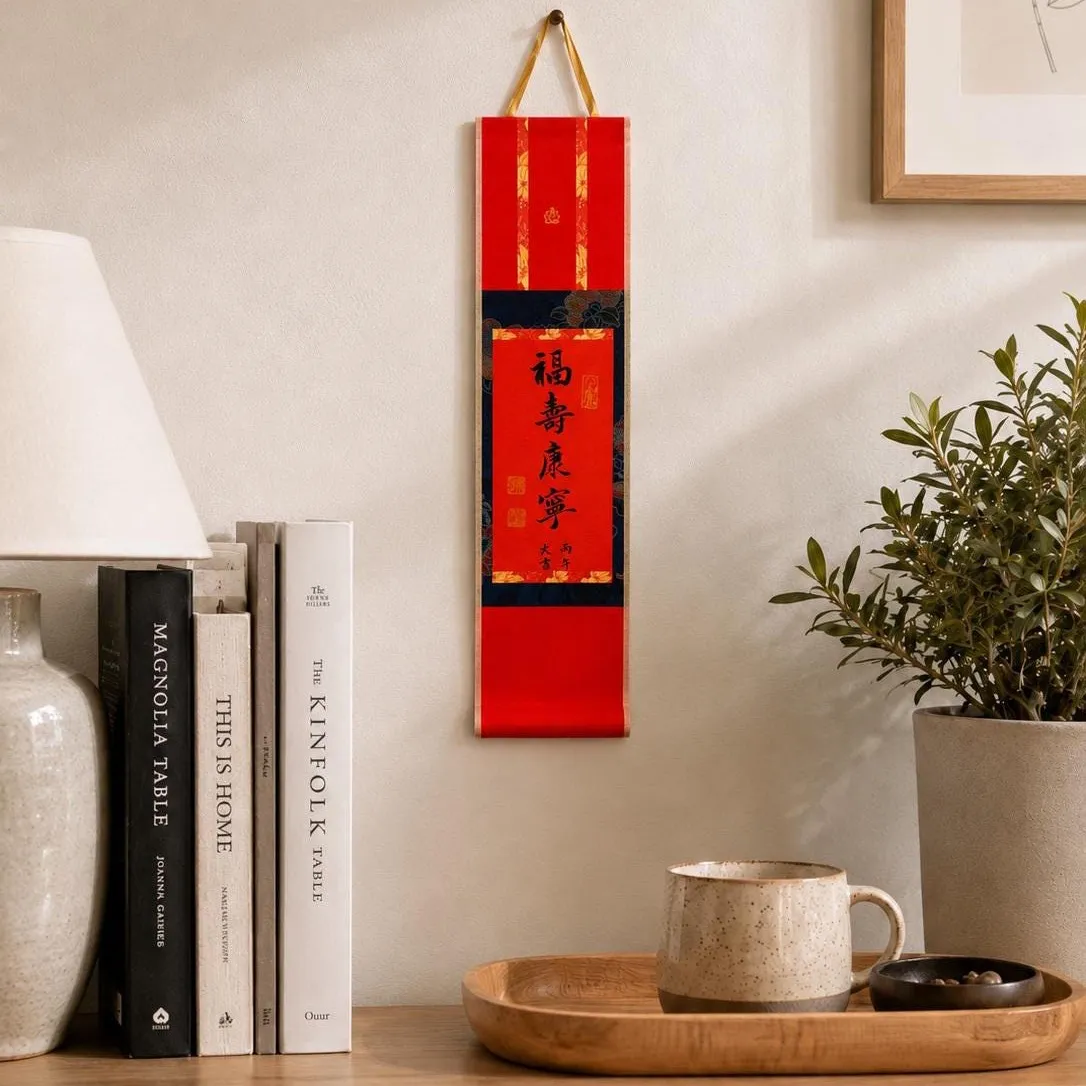
Photo shows a sample — yours will be brushed with 达, or any character you choose.
Wall Scroll — for walls & housewarmingsfrom $38→ -
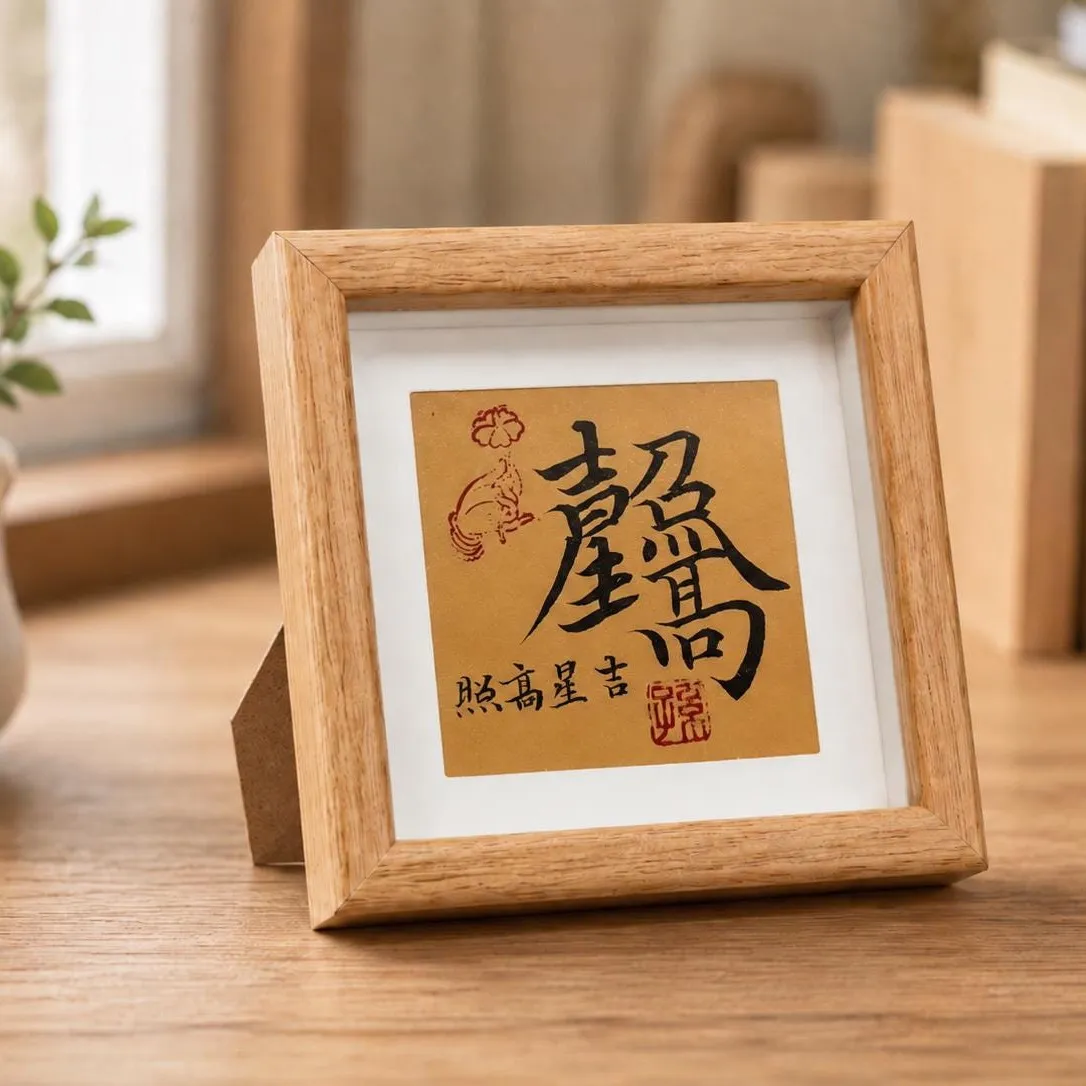
Photo shows a sample — yours will be brushed with 达, or any character you choose.
Desk Frame — for desks, studies & studiosfrom $44→ -
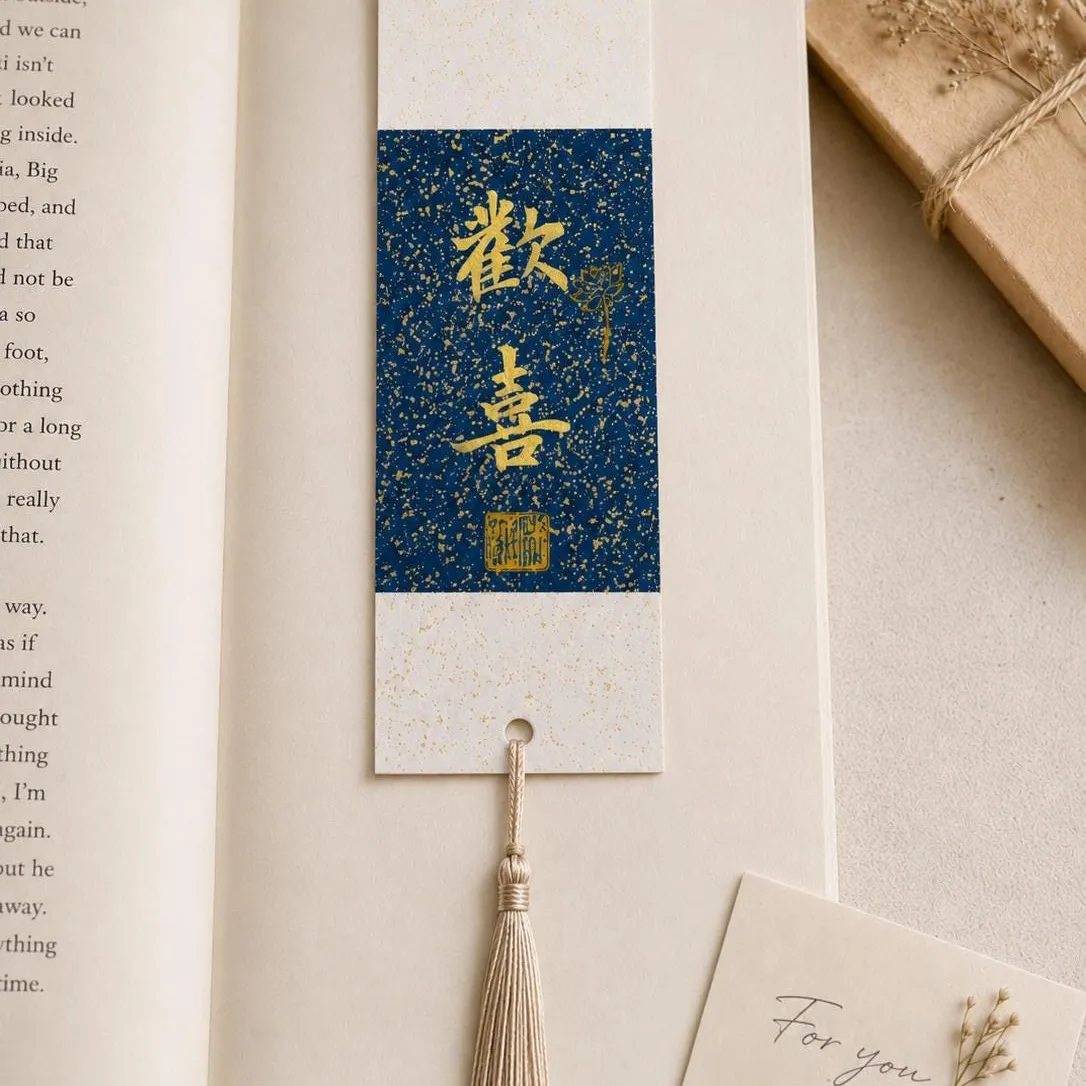
Photo shows a sample — yours will be brushed with 达, or any character you choose.
Bookmark — for readers & small thank-yousfrom $17→

What people said after it arrived.
-
The item is fantastic. The customer service was genuine. Thanks!
— M.Verified purchase · from our Etsy shop reviews · -
They were great they gave me exactly what I asked for and then some. Thank you!!
— G.Verified purchase · from our Etsy shop reviews · -
It is well designed and customized. My daughter loves it. Amazing gift for family’s d friends
— S.Verified purchase · from our Etsy shop reviews ·
Each "达" is hand-brushed by Artist Lina Sun on rice paper.
See 达 (Dá) on Etsy →