通 (tōng) — Open · Connected · The Way Through
A single character.
A blocked drain and a stuck argument take the same word in Chinese. 管道不通 — the pipe won’t pass. 想不通 — the thought won’t pass. 通 (tōng) names two points joined with nothing in between, and the language applies it to roads, pipes, phone lines, bodies and minds without reaching for a different metaphor. That makes it unusual among the characters here. 顺 (shùn) asks that the going run with the grain, 博 (bó) fills the mind wide, 智 (zhì) sharpens the judgment — each of them a property of the person holding it. 通 is never a property of one thing. It is always a relation, and it always needs a far end: between a mind and a subject in 融会贯通, between two people in 沟通, which fails if either side is shut. See 顺 → · See 博 → · See 智 →
You meet it everywhere in ordinary life. A new metro line 通车 the week it opens. A call that finally 打通了. 沟通, the standard office word for communication, is literally digging a channel between two places. Study has its own version: 精通 for real command of a field, and 融会贯通 for the moment separate courses stop being separate — a milestone 《礼记·学记》 had already dated to the ninth year of schooling as 知类通达. And the compliment Chinese families reach for about a relative is often neither clever nor capable but 通情达理 — understands the feeling, arrives at the reason. Someone you can actually get through to.
A hand-brushed “通” by Artist Lina Sun suits two people in particular. The graduate whose education finally joined up, where a promise about the road ahead would say less than a word about what happened inside them. And the father, boss, or colleague who stayed reachable — who took the call, changed the decision, admitted the thing. The claim 通 makes about a father is not that he was unshakeable but that he was reachable — that the line ran in both directions for decades, which took more than it ever looked like. See 父爱如山 → One note if you are giving it: 通 carries no verdict about what is being connected to, so let the framing or the card name the sense you mean — 万事亨通 for a business, 通情达理 for a person.
- open
- unobstructed
- connected
- to get through
- to communicate
- thorough command of
- smooth 顺 describes motion running with the grain — the current at your back. 通 describes a link: two points joined, both ends open. A route can be 通 and still be hard going the whole way.
- clever 聪 hears quickly and 慧 thinks quickly. 通 is slower than both — it is what a subject becomes after enough of it has been learned to join up, which is why 精通 takes years and 聪明 does not.
- open-minded That is a disposition. 通 is a state of a channel, and it is symmetrical: 沟通 requires the other end to be open too. It says as much about the connection as about the person.
The short arms are the point: these readings don’t reach it.
- 辶 road and foot / passage辶, contracted from 辵, is what Chinese stamps on anything that involves covering ground, and here it holds the entire meaning — 《说文解字》 leaves 甬 with nothing but the sound. Whatever 通 claims is a claim about ground being crossable. Same radical: 达 (to arrive), 途 (route), 逾 (to cross over), 迅 (swift).
- 甬 sound甬 (yǒng) is present for pronunciation. Its own history is a hollow one: 《周礼·考工记》 uses it for the tube-shaped shank on top of a bronze bell, and it later named a walled corridor (甬道). It also sits inside 痛 (pain), 涌 (to gush), 踊 (to leap) and 桶 (a bucket).
character
- 通达 tōng dá to get through and arrive; of a person, clear-headed and free of hang-ups
- 沟通 gōu tōng to communicate — literally to dig a channel between two places
- 精通 jīng tōng thorough command of a subject, the standard word for real expertise
- 融会贯通 róng huì guàn tōng to melt separate learnings together until they run as one system
- 通情达理 tōng qíng dá lǐ understanding of feeling and arriving at reason — said of a person you can talk to
The Story Behind the Character
Turn a Zhou-dynasty bronze bell over and the surprise is that its handle is hollow. 《周礼·考工记》 names the parts from the mouth upward — 舞上谓之甬,甬上谓之衡, above the top plate is the 甬, above the 甬 is the 衡 — and that tube standing on the bell's crown is 甬 (yǒng), open into the chamber below it. 《说文解字》 (Shuowen Jiezi, c. 100 CE) defines 通 in two characters, 達也 — to reach through — and parses it 从辵,甬聲: the road-and-foot radical 辵 carrying the meaning, 甬 supplying only the sound. But 甬 did not stay a bell part. On its own it came to name a walled passage, and when 《史记》 describes Han armies building protected corridors so that grain convoys could reach the front, the word for those corridors is 甬道. A character about getting through ended up built from two things that are open at both ends.
What the verb does in Chinese is remove obstacles rather than add anything. A new subway line 通车 — opens to traffic. A phone call 打通了 — got through. A drain that 不通 needs clearing, and a person who 想不通 is stuck on a thought the way a pipe is stuck on a blockage; Chinese does not switch metaphors between the two. From there the word climbs into the mind without ever changing its logic. 精通 is thorough command of a subject, 通晓 is knowing something all the way through, and 融会贯通 is the state in which separately learned things have joined up and run as one system. Even the blunt sense of "throughout" — 通宵 all night, 通篇 the whole text, 通用 usable everywhere — is the same idea applied to extent instead of passage.
The character's opposite is the more revealing half. 塞, 阻, 堵: blocked, obstructed, jammed. Chinese medicine compresses its most quoted account of pain into that opposition — 不通则痛, where nothing gets through, there is pain — and the character for pain, 痛, is 甬 again, this time under the sickness radical 疒. 通 is also an odd thing to wish on a person. 勇 and 坚 name something held alone, in an empty room; 通 always needs a second point. Sometimes that point is another person — 沟通 fails if either end is shut. Sometimes it is a body of knowledge: 融会贯通 is two subjects that finally explain each other, 精通 is a mind that has got all the way into one. Either way the character never describes a thing on its own. It describes what runs between two.
Classical lines
- roughly 700 years
- c. 300 BCE 《周易·系辞下》
- c. 300 BCE 《礼记·学记》
- c. 421 CE 陶渊明《桃花源记》
穷则变,变则通,通则久。 At the limit, change; change, and you get through; get through, and it lasts.
Three clauses that chain into China's oldest theory of how anything survives. Note the order: 通 is not the starting condition but the reward for having been willing to alter course when the old road ran out.
九年知类通达,强立而不反,谓之大成。 In the ninth year he sorts things by kind and gets through, stands firm and does not turn back
this is called the great completion. — The classical curriculum's final milestone, and it is not a quantity of knowledge. It is the point at which what was learned separately starts working as one thing.
初极狭,才通人。复行数十步,豁然开朗。 At first it was very narrow, barely wide enough to let a person through. After another few dozen paces it opened out wide and bright.
The most quoted passage in Chinese about a gap you have to squeeze into before you can see anything. The word doing the work at the tightest point is 通.
Why This Character Matters
One of the most durable things wished on a Chinese business at New Year is 万事亨通 — may every affair pass through. 亨 carries there the sense it has in 元亨利贞, the four words that open the first hexagram of 《周易》: passage without obstruction. The pairing 亨通 took that sense into ordinary speech and never left it — 财路亨通, 官运亨通, 事事亨通. Walk past enough shopfronts around Lunar New Year and you will find the couplet that states the ambition at full stretch: 生意兴隆通四海,财源茂盛达三江 — may the trade flourish and reach the four seas, may the revenue swell and arrive at the three rivers. Both halves are verbs of getting somewhere rather than of piling anything up.
There is a counterweight, and it is worth knowing before the character is given. 通 holds no opinion about who is waiting at the far end: 通敌 is to collude with the enemy, 私通 is an illicit connection. (通融, bending a rule for someone who asked nicely, is neither praise nor accusation — which is rather the point.) That neutrality is also why the compliment it does carry is so exact. 通情达理 — understanding of feeling, arriving at reason — is what Chinese families say about the relative who can actually be talked to, and it credits something 聪明 and 能干 do not. Being reachable is treated as the harder achievement.
A Chinese reader meeting 通 on skin would most likely land on 通情达理 or 融会贯通 and read the wearer as someone who values being reachable and having things join up — a quieter, more adult claim than 强 or 勇. It is a rare choice on a tattoo chart, which works in its favour. Three things worth weighing: standing entirely alone the character reads slightly abstract, more like a state than a virtue, so it benefits from context in the placement or the phrase; 通 is also the ordinary word in 通敌 (to collude with the enemy), so it carries no built-in judgment about what is being connected to; and it is the everyday word a plumber uses (通下水道, to clear a drain), though that sense does not follow the character into brushwork. None of that surfaces when the character is set inside a phrase such as 万事亨通 or 通情达理.
Calligraphy Styles for Tattoos
- Regular script (楷书 kǎishū) Best for tattoos
10 strokes, and the whole design is one component seated on a long sweep. Regular script keeps 甬's stacked horizontals evenly spaced and stops the enclosed box from crowding the 辶 beneath it. Minimum recommended size: 1.75 inches — the interior of 甬 fills in below that.
- Running script (行书 xíngshū) Good
辶 becomes a single gliding motion, which suits a character about passage. The risk is 甬: its box and two interior strokes reduce fast, and 通 starts drifting toward 逼 or 遍. Give it 2.5+ inches and a calligrapher who will keep the interior legible.
- Cursive script (草书 cǎoshū) Only with an expert calligrapher
In cursive 甬 collapses to a loop over a tail and the character is no longer distinguishable from several of its neighbours by shape alone. Attempt only with a calligrapher who specializes in cursive and can show you their 甬.
Common Mistakes to Avoid
- Getting 痛 (tòng) tattooed when 通 was intendedIntended: 通 — open, getting through
The two share 甬 and differ only in what wraps it: 辶 gives 通 (to pass through), the sickness radical 疒 gives 痛 (pain). They are also near-homophones, tōng and tòng, so a verbal instruction to an artist who does not read Chinese is not a safeguard. Confirm the outer component against a printed dictionary before the stencil is cut.
- Writing 甬 as 用Intended: 通 with 甬 formed correctly
甬 is 用 capped with a small マ — a short slanted stroke with a dot tucked under its right side. Leave that cap off and the enclosed part is just 用 (to use), producing a shape that is not a standard character at all. A native reader registers it immediately as an error rather than as a stylistic choice.
- Assuming 通 has a separate traditional formIntended: 通 in both mainland and traditional contexts
Some characters split in 1956; this one did not. 通 is written identically in Beijing, Taipei and Hong Kong. If a design source offers you a more elaborate 'traditional 通', it is a calligraphic variant or an error, not the standard traditional form.
Notes for Your Tattoo Artist
10 strokes. Written in the standard order 甬 first, 辶 last — the sweep goes underneath at the end, and everything above it has to be sized in anticipation of that. Keep 甬 narrow and slightly high: it opens with a small マ cap — a short slanted stroke and a dot beneath its right side — then the box, its horizontals evenly spaced, with the vertical running cleanly through without bulging. The 辶 finishes with a long, level stroke that should extend past 甬's right shoulder rather than stopping under it. The usual failure is a wide 甬 crowding a short sweep, which makes a character about open passage look congested.
A few characters live near "通" but mean something quieter, sharper, or more specific. Here's how to tell them apart.
a link made between two points — and both ends have to be open
movement that runs with the grain rather than against it
whether what they know has joined up into one thing
how much they have taken in across how many fields
the channel being clear — to the subject, or to the person
the judgment exercised once it is
The best thing that happens in a degree is not the last exam — it is the week in the third or fourth year when the separate courses stop being separate and start explaining each other.
- The best thing that happens in a degree is not the last exam — it is the week in the third or fourth year when the separate courses stop being separate and start explaining each other. 融会贯通 names that exact event: everything melted together and running through. 《礼记·学记》 puts it on a schedule, at 九年知类通达 — by the ninth year the student sorts things by kind and gets through. The rest of this shelf is addressed to the road ahead. 通 is addressed to the person who will walk it, which is the more accurate compliment for the graduate whose field asked them to connect what they learned rather than accumulate it.
- 父爱如山 makes a father a mountain, and a mountain is not somewhere you go to be heard. 通 says the other thing about a man, and for many people it is the truer one. 通情达理 is the everyday Chinese compliment for a person who understands how a situation feels and still arrives at reason: you can get through to them, and they get through to you. It covers the father who took the call, changed his mind, admitted the thing, learned the app. Where 宽 (kuān) names the room he gave you and 明 (míng) names how clearly he saw, 通 names the two-way channel that stayed open — which is the part most families only appreciate later.
Looking for a name? See Western names written in Chinese →
-
What does 通 (tōng) mean?
通 (tōng) is the Chinese character for open, connected, the way through. A blocked drain and a stuck argument take the same word in Chinese. 管道不通 — the pipe won't pass. 想不通 — the thought won't pass. 通 (tōng) names two points joined with nothing in between, and the language applies it to roads, pipes, phone lines, bodies and minds without reaching for a different metaphor. That makes it unusual among the characters here. 顺 (shùn) asks that the going run with the grain, 博 (bó) fills the mind wide, 智 (zhì) sharpens the judgment — each of them a property of the person holding it. 通 is never a property of one thing. It is always a relation, and it always needs a far end: between a mind and a subject in 融会贯通, between two people in 沟通, which fails if either side is shut. See 顺 → · See 博 → · See 智 → One of the most durable things wished on a Chinese business at New Year is 万事亨通 — may every affair pass through. 亨 carries there the sense it has in 元亨利贞, the four words that open the first hexagram of 《周易》: passage without obstruction. The pairing 亨通 took that sense into ordinary speech and never left it — 财路亨通, 官运亨通, 事事亨通. Walk past enough shopfronts around Lunar New Year and you will find the couplet that states the ambition at full stretch: 生意兴隆通四海,财源茂盛达三江 — may the trade flourish and reach the four seas, may the revenue swell and arrive at the three rivers. Both halves are verbs of getting somewhere rather than of piling anything up.
-
What occasions is 通 given for?
通 is traditionally given for Graduation, Father's Day. The best thing that happens in a degree is not the last exam — it is the week in the third or fourth year when the separate courses stop being separate and start explaining each other. 融会贯通 names that exact event: everything melted together and running through. 《礼记·学记》 puts it on a schedule, at 九年知类通达 — by the ninth year the student sorts things by kind and gets through. The rest of this shelf is addressed to the road ahead. 通 is addressed to the person who will walk it, which is the more accurate compliment for the graduate whose field asked them to connect what they learned rather than accumulate it. 父爱如山 makes a father a mountain, and a mountain is not somewhere you go to be heard. 通 says the other thing about a man, and for many people it is the truer one. 通情达理 is the everyday Chinese compliment for a person who understands how a situation feels and still arrives at reason: you can get through to them, and they get through to you. It covers the father who took the call, changed his mind, admitted the thing, learned the app. Where 宽 (kuān) names the room he gave you and 明 (míng) names how clearly he saw, 通 names the two-way channel that stayed open — which is the part most families only appreciate later.
-
Is 通 a good Chinese tattoo?
A Chinese reader meeting 通 on skin would most likely land on 通情达理 or 融会贯通 and read the wearer as someone who values being reachable and having things join up — a quieter, more adult claim than 强 or 勇. It is a rare choice on a tattoo chart, which works in its favour. Three things worth weighing: standing entirely alone the character reads slightly abstract, more like a state than a virtue, so it benefits from context in the placement or the phrase; 通 is also the ordinary word in 通敌 (to collude with the enemy), so it carries no built-in judgment about what is being connected to; and it is the everyday word a plumber uses (通下水道, to clear a drain), though that sense does not follow the character into brushwork. None of that surfaces when the character is set inside a phrase such as 万事亨通 or 通情达理.
-
Who brushes the 通 calligraphy?
Each 通 (Tōng) is hand-brushed to order by Artist Lina Sun in ink on rice paper — never printed, never repeated.
Bring 通 home — choose how you'd like it brushed.
-
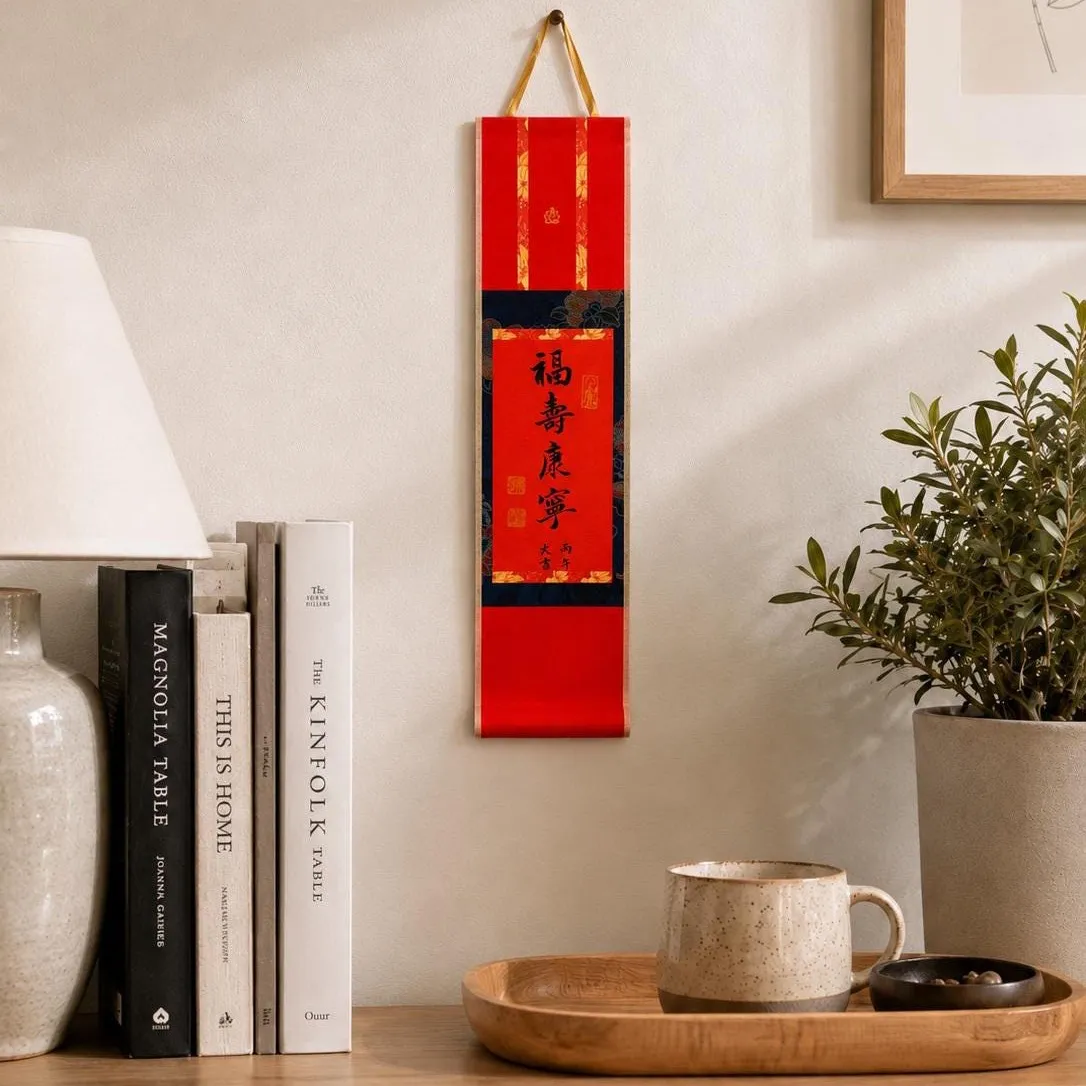
Photo shows a sample — yours will be brushed with 通, or any character you choose.
Wall Scroll — for walls & housewarmingsfrom $38→ -
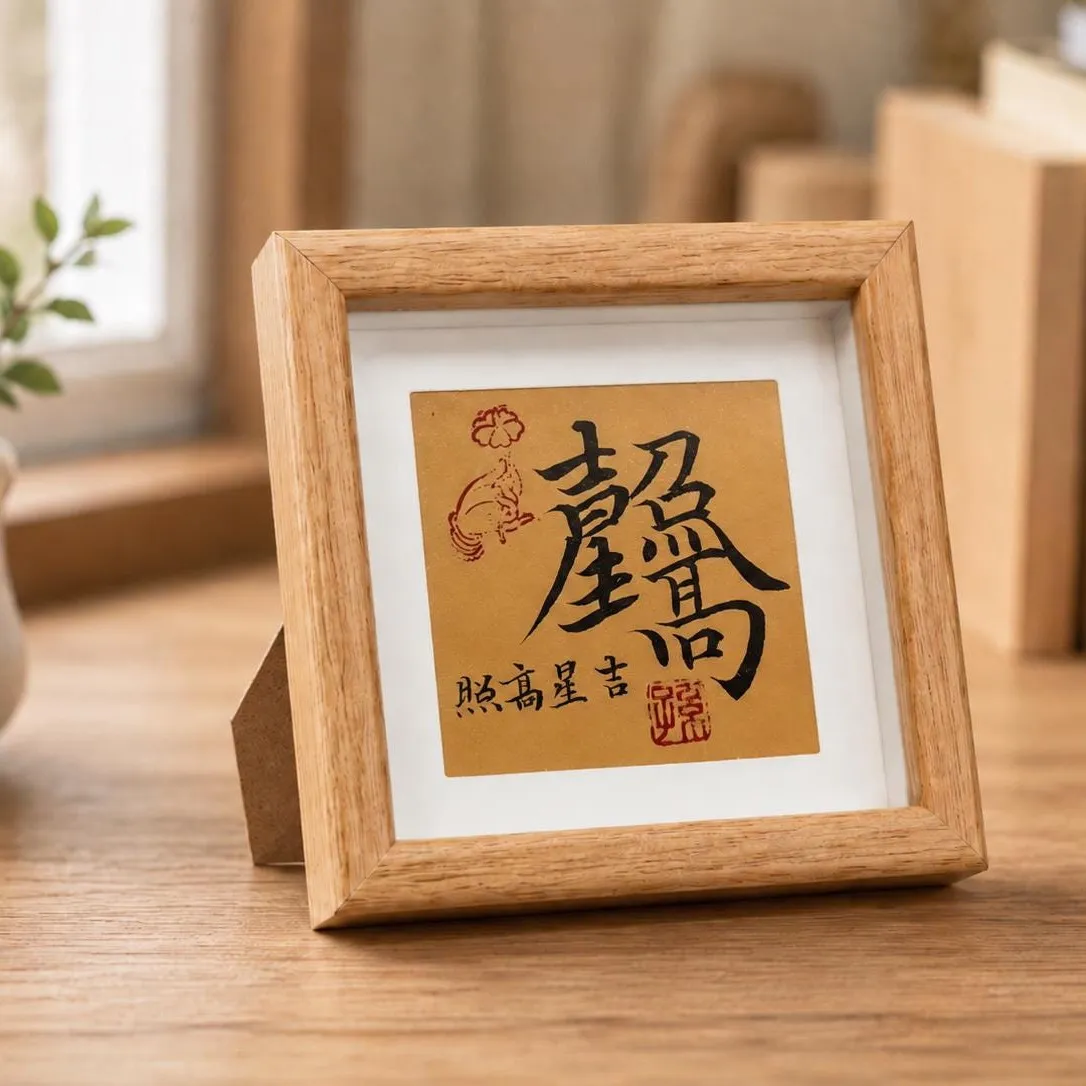
Photo shows a sample — yours will be brushed with 通, or any character you choose.
Desk Frame — for desks, studies & studiosfrom $44→ -
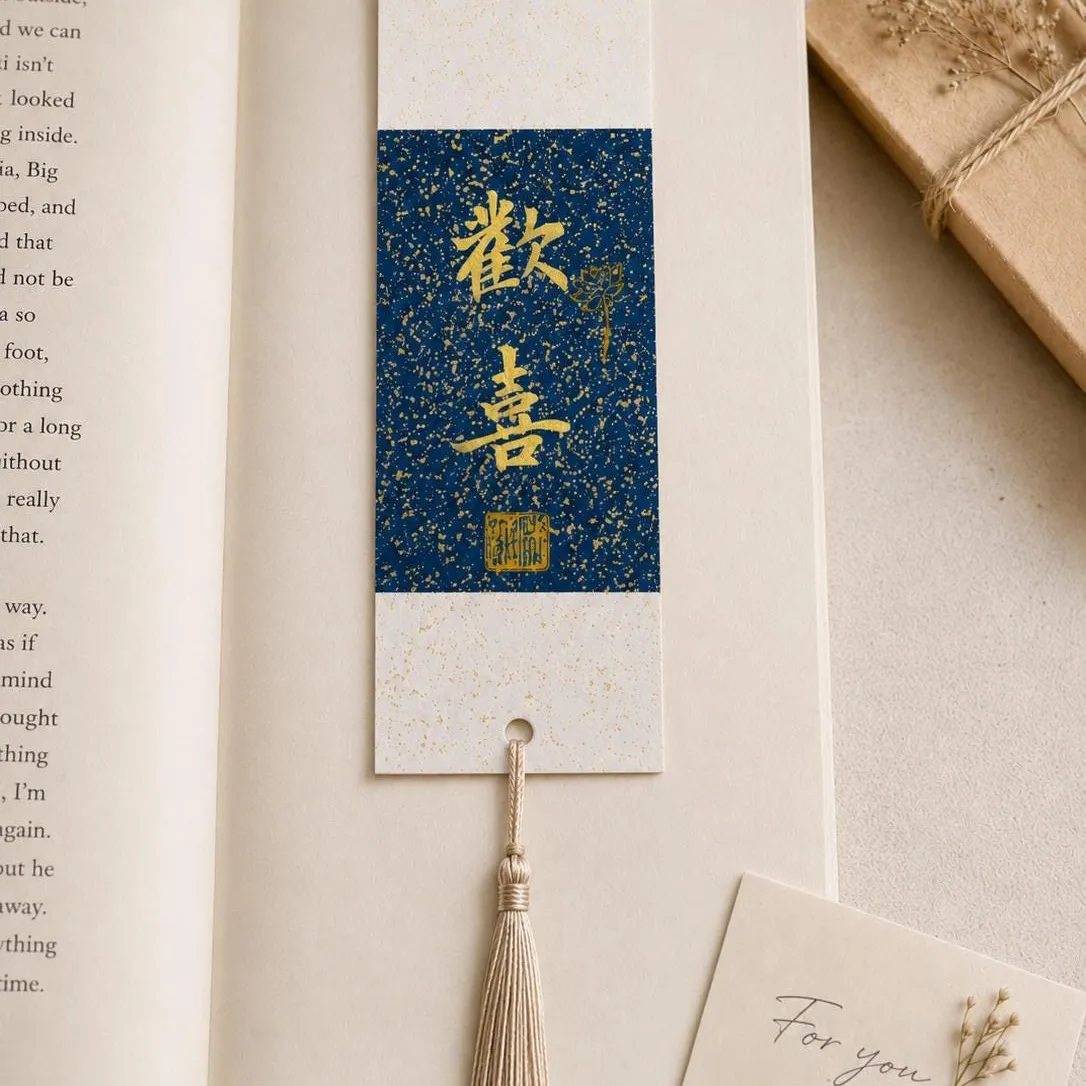
Photo shows a sample — yours will be brushed with 通, or any character you choose.
Bookmark — for readers & small thank-yousfrom $17→
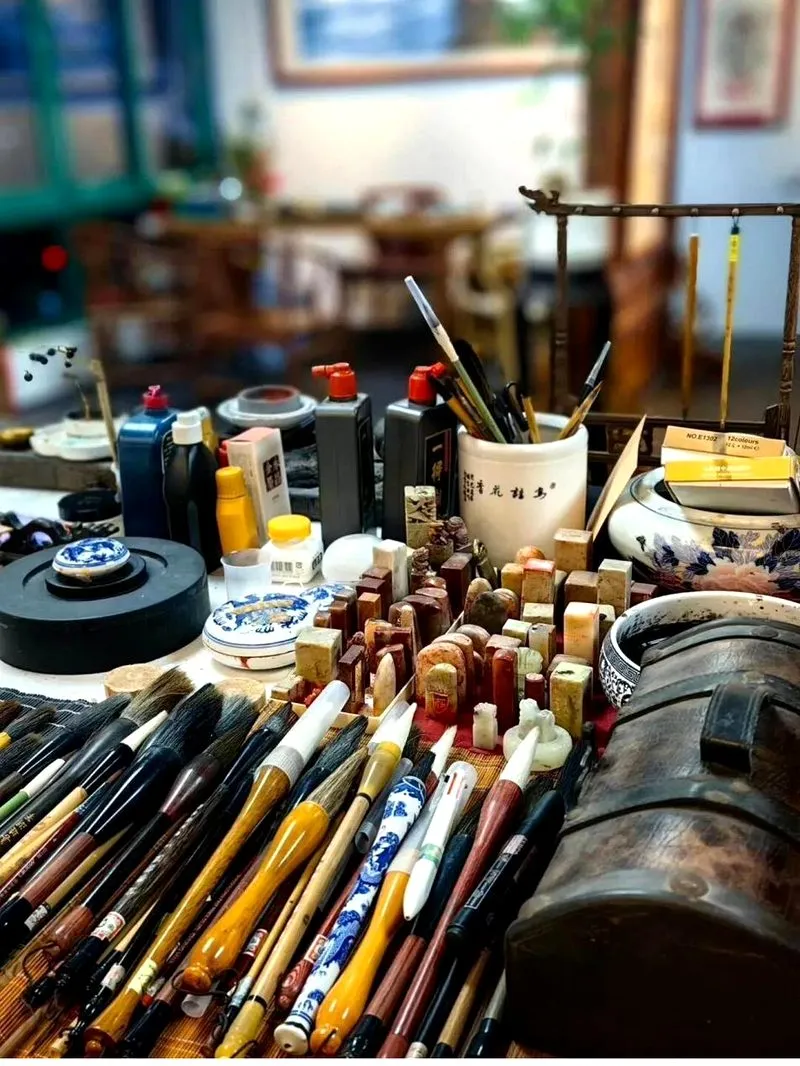
What people said after it arrived.
-
The item is fantastic. The customer service was genuine. Thanks!
— M.Verified purchase · from our Etsy shop reviews · -
They were great they gave me exactly what I asked for and then some. Thank you!!
— G.Verified purchase · from our Etsy shop reviews · -
It is well designed and customized. My daughter loves it. Amazing gift for family’s d friends
— S.Verified purchase · from our Etsy shop reviews ·
Each "通" is hand-brushed by Artist Lina Sun on rice paper.
See 通 (Tōng) on Etsy →