长情 (cháng qíng) — Long-Feeling · Affection That Did Not Stop · Said of One Person, Not of the Two
Two characters, and the first is read cháng, not the zhǎng of 长大 — one graph carrying two readings, and only the length one is running here.
长情 takes one subject. 他很长情 is a complete sentence about a man, and nothing in it mentions the woman, the marriage, or whether either is still going. It reports on a person’s capacity to go on feeling something, and not on the state of the thing between two people. 恒 also takes one person and lands on conduct, which is something anyone can resolve to do tomorrow morning; 忠 takes one person and names a direction, which is something anyone can declare. 笃 returns a quantity rather than a span, and where the quantity is affection it is normally weighed on the pair — 伉俪情笃, 交情甚笃. 情 is the part 《礼记》 lists as 弗学而能, needing no instruction and therefore available to nobody’s decision, so putting a length on it is praise for an outcome the person can neither arrange nor fake.
Watch where the word lands in ordinary Chinese and the range is startling. A shop will call the customer of twenty years 长情的老顾客. A man who has never changed the phone number he got at university gets told 你真长情, half teasing and entirely meant. It is said of the classmate who still turns up to the reunion of a school everyone else left in 1998, of a pen somebody has refused to replace, and of a forty-year marriage, in the same register and without anybody feeling the register slip. That is the unusual property. A word that stretches from a phone number to a marriage is plainly not measuring how much any of it mattered — it grades nothing and ranks nothing, and a marriage earns no larger reading from it than the pen does. It counts, and counting is the whole of what it does.
A hand-brushed “长情” by Artist Lina Sun suits the husband or wife nobody has ever put a number to, or the friend who stayed long after the school, the job or the city that first put the two of you in a room. It makes no promise about the years ahead and says nothing about how much anyone feels. It says the feeling has been running a long time, and that nobody had to be asked.
- affection that has run a long time and was not kept up on purpose
- said of one person — no second party is needed for it to be true
- still true after the relationship it refers to has ended
- the opposite of 喜新厌旧, preferring whatever is newest
- wide enough for a friendship, a hometown, or a noodle shop
- devoted Devotion is effort, and it can be resolved on this morning. 长情 reports something that happened without anyone deciding it, and cannot be claimed before the years are actually behind it.
- faithful Faithfulness answers whether the promise held, which is a yes or a no and is about conduct. 长情 is about what the person was still feeling, which the record of their conduct does not reveal either way.
- true love That is a claim about the feeling's quality and it is made about the couple. This word makes no claim about quality at all and takes a single subject, so it can be said about one half of a marriage the other half has left.
- nostalgic 怀旧 looks back and wants the old thing returned. 长情 is not looking anywhere; the attachment is still running in the present, which lets it describe a marriage somebody is in today.
The short arms are the point: these readings don’t reach it.
- 长 long — the duration, read cháng not zhǎngThe earliest form draws a figure with long hair, which is how one graph came to serve both length and growing older. 说文解字 gives it as 久远也. Here only the length reading is active, though the character has never fully shed the other one.
- 情 feeling — the response that was never taught说文 sets 情 against 性 as what moves in a person rather than what they were issued with, and 《礼记·礼运》 counts seven of them, all 弗学而能. The word is wider than romance: 友情 and 亲情 are inside it, and so is 实情, the true state of a case.
characters
- 深情 shēn qíng deep feeling — the other axis entirely, and one that can be true in a fortnight
- 薄情 bó qíng thin feeling — the nearer of the two reproaches, though it weighs the feeling rather than timing it
- 痴情 chī qíng feeling past the point of sense — measures intensity, and carries a warning 长情 does not
- 儿女情长 ér nǚ qíng cháng private attachments running long — the classical four-character frame, and the only entry here lighting both characters
- 长久 cháng jiǔ lasting a long time — the same 长, applied to the arrangement rather than to what anyone feels about it
- 念旧 niàn jiù keeping hold of what is old — the nearest native relative, related by sense and sharing no character with 长情
- 常青 cháng qīng evergreen — related by sound rather than sense, one tone away on the second syllable and no character in common
Cinnabar marks the characters 长情 actually contains. The dark row is a relative by meaning or by sound, not one shared stroke.
The Story Behind the Character
Hair was the available ruler. It is the one part of a body that keeps a visible record of elapsed time, and the oracle-bone 長 is a person drawn in profile with it streaming out long behind the head, on some bones a stick in the hand as well. Measuring length on a body is why Chinese has run two readings through the same graph ever since — cháng, long, and zhǎng, to grow, to be the elder. 说文解字 glosses it 久远也, long and far off, and files under it the observation that what lasts a long time changes. The character never separated duration from what duration does to a thing.
情 went the other way, from a general word to an intimate one. 说文 builds it from 心 with 青 as the phonetic and defines it as 人之阴气有欲者, setting it against 性 in the classification the Han inherited: 性 is the disposition a person is issued with, 情 is what moves in them in response to something. 《礼记·礼运》 had already listed the movements and counted them — 喜怒哀惧爱恶欲, seven, and 弗学而能, requiring no instruction. That is the load-bearing part. 情 is by definition the part of a person that was not taught and cannot be assigned. The word still carries the width: 实情 is the facts of a case, 人情 is what is owed between people, 友情 and 亲情 divide the affections that are not romance at all.
Putting a duration word in front of an involuntary one is a stranger move than it looks, and it is what this compound is for. A person can be instructed to be loyal and can decide to keep a practice up; nobody can be told to still feel something in year thirty, which is why the compound reads as praise for an outcome rather than for an effort. Classical Chinese mostly spelled the idea out at length instead of compressing it — a Han ballad putting it as a boulder that does not shift, 苏轼 counting ten years since a death — and the compact version, the adjective a person can be measured against in a single predicate, 他很长情, belongs to modern speech.
Classical lines
- roughly 1,300 years
- c. 200 BCE 《礼记·礼运》
- c. 2nd–6th c. CE 《孔雀东南飞》
- 1075 CE 苏轼《江城子·乙卯正月二十日夜记梦》
何谓人情?喜怒哀惧爱恶欲,七者弗学而能。 What is meant by the feelings of a person? Joy, anger, grief, fear, love, hatred, desire
seven, and no one has to be taught them. — The passage is drawing up an inventory of what a ruler has to work with, and this is the line that defines 情 for the whole later tradition. It settles the one fact this compound depends on: feeling is not among the things a person can be assigned.
君当作磐石,妾当作蒲苇。蒲苇纫如丝,磐石无转移。 You be the boulder and I will be the reed; the reed is tough as silk, the boulder does not shift.
The wife assigns both images herself, and neither is a claim about how much she feels: the boulder will not move, the reed is tough enough not to snap. The poem then spends two hundred further lines showing what the promise cost the two of them. Constancy here has to be sworn to in advance, because nothing in the poem is yet in a position to report on it.
十年生死两茫茫,不思量,自难忘。 Ten years, the living and the dead each lost to the other; I do not think of it, and cannot forget it.
苏轼 wrote this after dreaming of 王弗, who had died a decade earlier. The second clause is the exact shape of the word: he is not maintaining anything and is not trying to, and it has gone on regardless. It is also why the compliment outlasts the thing it refers to — there is nobody left to receive it, and the word does not require a recipient.
Why This Character Matters
The ready antonym is not 无情, and not quite 薄情 either. 无情 is a different charge altogether, and 薄情 measures thinness — feeling weighed and found slight, which is an assessment of size rather than of span. What people reach for against 长情 is 喜新厌旧, delighting in the new and tiring of the old, and that is a complaint about duration and nothing else. So the measurement is not how much anybody feels: a quiet, unremarkable attachment qualifies and a spectacular one that lasted eighteen months does not. 念旧 is the nearest relative in Chinese and shares no character with it — the disposition to hold on to old things and old people, the same reading taken on a wider class of objects.
情 covers 友情 and 亲情 as readily as romance, so nothing about the word is confined to marriages, and the grammar it keeps is the rarer thing about it. It is predicated of one person and the sentence never has to name a second: 白头偕老 and 相濡以沫 both need two people standing there before they mean anything at all, while 长情 stays grammatical when the other party is gone and stays true about the stretch that has already run. That is why it can be said of a widower and of somebody in the eleventh year of a marriage in exactly the same words.
A few characters live near "长情" but mean something quieter, sharper, or more specific. Here's how to tell them apart.
how long it has run, said of one person
how thick it is found on weighing, and 伉俪情笃 weighs the pair
a feeling that simply did not stop
a practice kept up on purpose, which is why it can be resolved on
the length of time the feeling ran
the direction of an allegiance, which a person can choose and declare
the running total of years, available only afterwards
the feeling itself, sayable on the first evening
A measure of time, laid on the one thing nobody gets to choose.
- A day for two people, and a word with room for only one. 长情 is predicated of a single person and closes without needing a second, which is an odd thing to hang over a dinner table laid for a couple until you notice what it lets you do: address one of them directly, in their own right, on the one evening of the year when everything else said out loud is addressed to the pair. Most of what a husband or a wife hears on an anniversary is really about the marriage, with the two of them named inside it. This is about them. For the year when the thing you want on the wall is a fact concerning one person.
- The evidence is not tonight. It is the fifteen Februaries behind tonight — the ones with the wrong restaurant, the flu, the year neither of you mentioned it until the tenth, the several nobody can now place at all. None of those were recorded and none of them felt like anything at the time, and they are the entire basis on which this word can be said. February is designed to make a single evening carry the whole weight; 长情 hands the weight back to the years and lets the evening be an evening. For the couple who have been doing this long enough that the run of them has become the interesting part.
Husband · Wife · Best Friend · or yourself
Looking for a name? See Western names written in Chinese →
-
What does 长情 (cháng qíng) mean?
长情 (cháng qíng) is a two-character Chinese word for long-feeling, affection that did not stop, said of one person, not of the two. 长情 takes one subject. 他很长情 is a complete sentence about a man, and nothing in it mentions the woman, the marriage, or whether either is still going. It reports on a person's capacity to go on feeling something, and not on the state of the thing between two people. 恒 also takes one person and lands on conduct, which is something anyone can resolve to do tomorrow morning; 忠 takes one person and names a direction, which is something anyone can declare. 笃 returns a quantity rather than a span, and where the quantity is affection it is normally weighed on the pair — 伉俪情笃, 交情甚笃. 情 is the part 《礼记》 lists as 弗学而能, needing no instruction and therefore available to nobody's decision, so putting a length on it is praise for an outcome the person can neither arrange nor fake. The ready antonym is not 无情, and not quite 薄情 either. 无情 is a different charge altogether, and 薄情 measures thinness — feeling weighed and found slight, which is an assessment of size rather than of span. What people reach for against 长情 is 喜新厌旧, delighting in the new and tiring of the old, and that is a complaint about duration and nothing else. So the measurement is not how much anybody feels: a quiet, unremarkable attachment qualifies and a spectacular one that lasted eighteen months does not. 念旧 is the nearest relative in Chinese and shares no character with it — the disposition to hold on to old things and old people, the same reading taken on a wider class of objects.
-
What occasions is 长情 given for?
长情 is traditionally given for Anniversary, Valentine's Day. A day for two people, and a word with room for only one. 长情 is predicated of a single person and closes without needing a second, which is an odd thing to hang over a dinner table laid for a couple until you notice what it lets you do: address one of them directly, in their own right, on the one evening of the year when everything else said out loud is addressed to the pair. Most of what a husband or a wife hears on an anniversary is really about the marriage, with the two of them named inside it. This is about them. For the year when the thing you want on the wall is a fact concerning one person. The evidence is not tonight. It is the fifteen Februaries behind tonight — the ones with the wrong restaurant, the flu, the year neither of you mentioned it until the tenth, the several nobody can now place at all. None of those were recorded and none of them felt like anything at the time, and they are the entire basis on which this word can be said. February is designed to make a single evening carry the whole weight; 长情 hands the weight back to the years and lets the evening be an evening. For the couple who have been doing this long enough that the run of them has become the interesting part.
-
Who brushes the 长情 calligraphy?
Each 长情 (Cháng Qíng) is hand-brushed to order by Artist Lina Sun in ink on rice paper — never printed, never repeated.
Bring 长情 home — choose how you'd like it brushed.
-
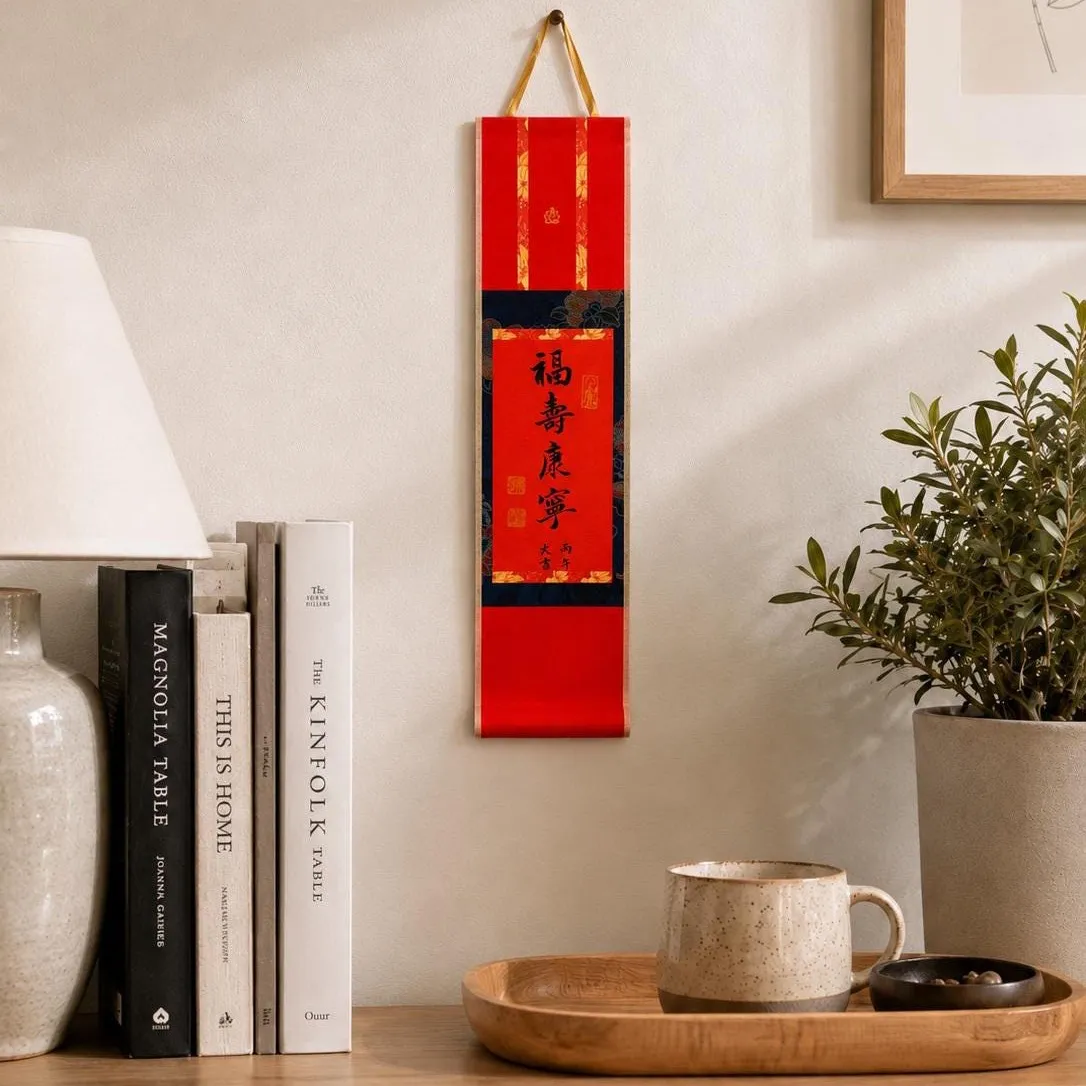
Photo shows a sample — yours will be brushed with 长情, or any character you choose.
Wall Scroll — for walls & housewarmingsfrom $38→ -
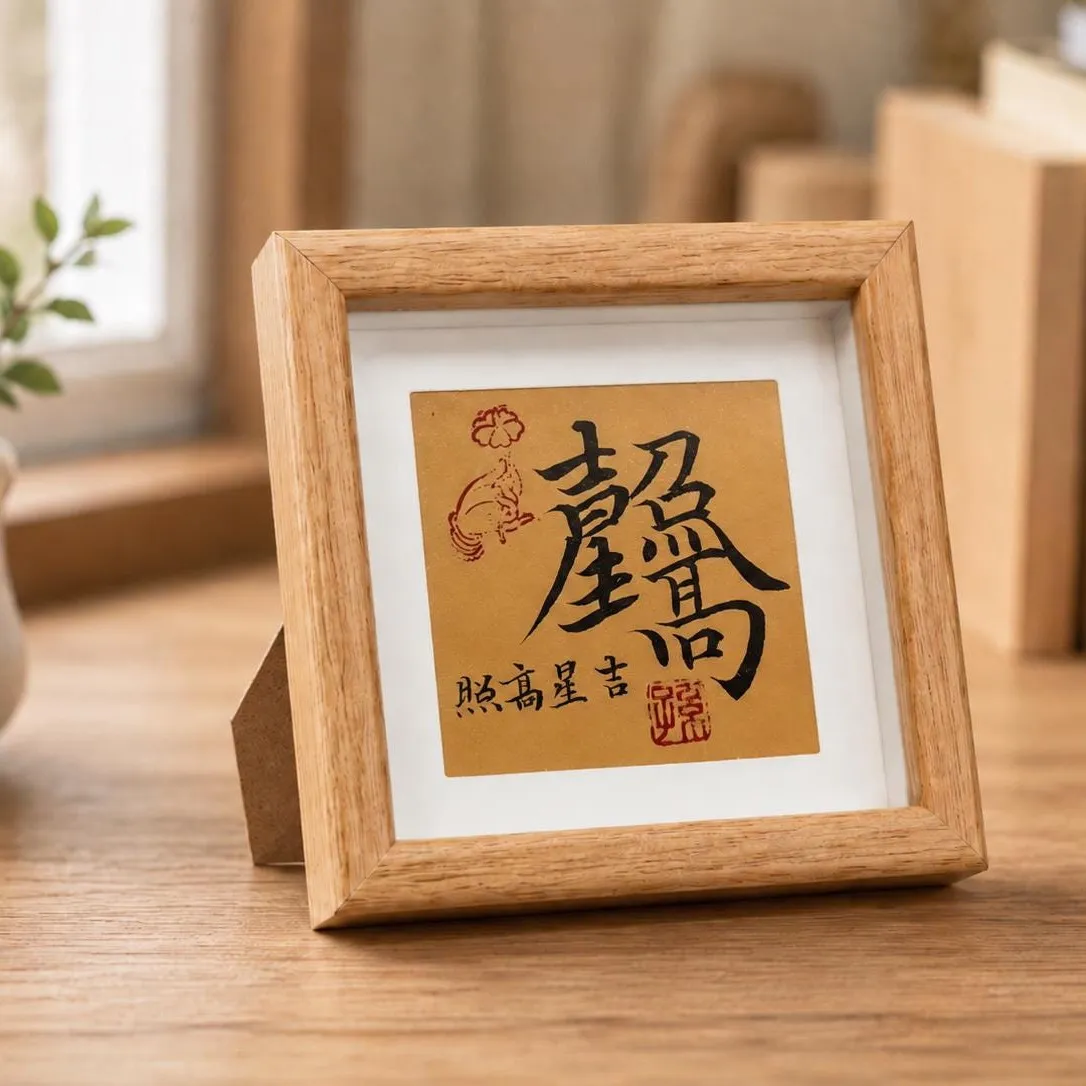
Photo shows a sample — yours will be brushed with 长情, or any character you choose.
Desk Frame — for desks, studies & studiosfrom $44→ -
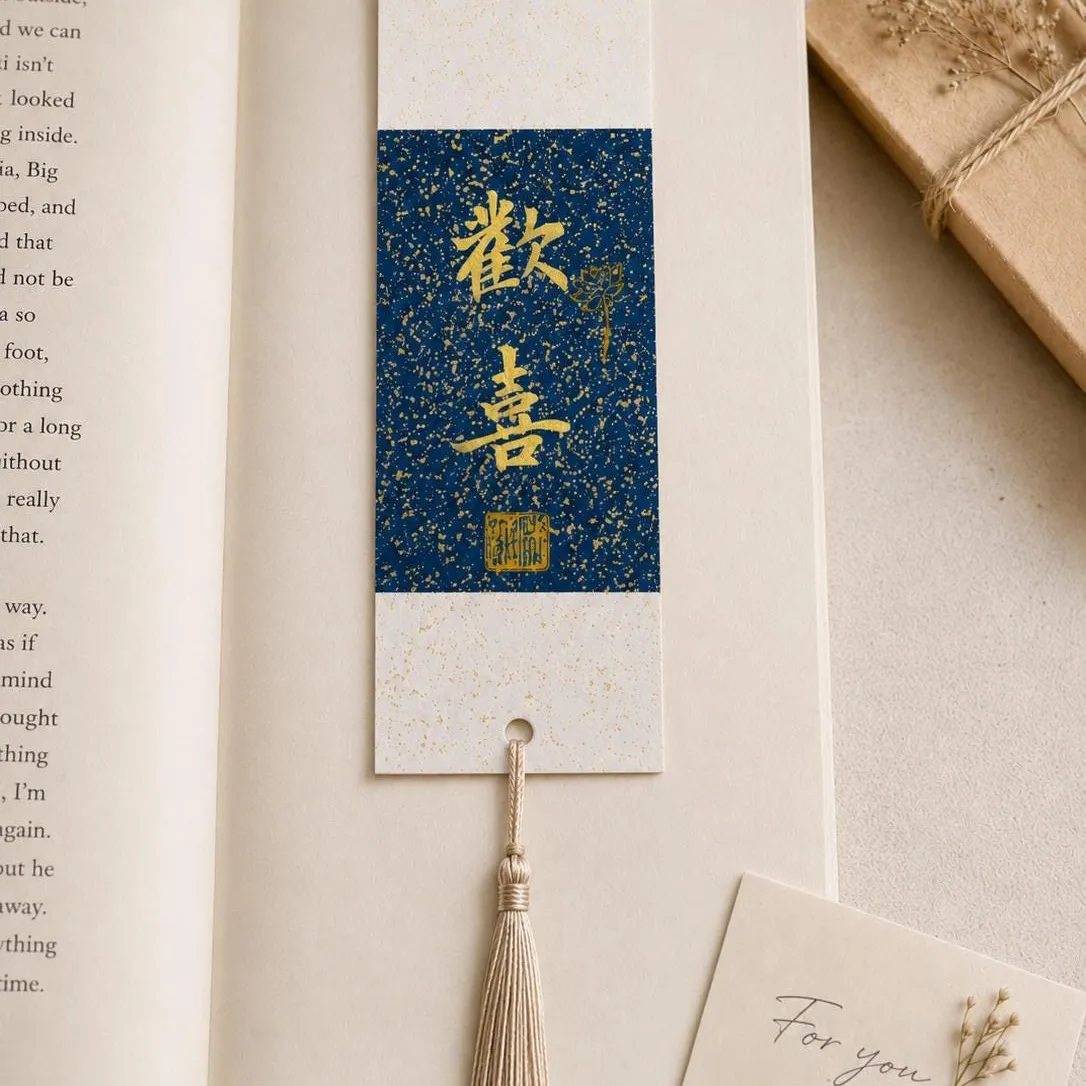
Photo shows a sample — yours will be brushed with 长情, or any character you choose.
Bookmark — for readers & small thank-yousfrom $17→
What people said after it arrived.
-
The item is fantastic. The customer service was genuine. Thanks!
— M.Verified purchase · from our Etsy shop reviews · -
They were great they gave me exactly what I asked for and then some. Thank you!!
— G.Verified purchase · from our Etsy shop reviews · -
It is well designed and customized. My daughter loves it. Amazing gift for family’s d friends
— S.Verified purchase · from our Etsy shop reviews ·
Each "长情" is hand-brushed by Artist Lina Sun on rice paper.
See 长情 (Cháng Qíng) on Etsy →