禄 (lù) — Stipend · The Income of a Post · Provision Earned by Service
A single character.
禄 (lù) is provision with a sender attached. 福 asks that fortune find someone and names nobody who sends it; 财 counts what a person has and asks nothing about where it came from; 寿 counts years. 禄 names what arrives because a particular post is held by a particular person — allotted by grade, paid out from above, and stopping when the post stops. The condition travels with the word and cannot be shaken off it. That is why 禄 is the blessing character that needs to know what the recipient actually did, and why, for the right recipient, nothing else in the catalog states it as exactly. See 福 → · See 财 → · See 寿 →
Because that condition is built in, the phrases grown on 禄 keep pointing back at the post. 禄位 sets stipend beside rank and treats the pair as one thing the language declines to separate. 加官进禄 — a better post and more money in it — is among the plainest wishes of the New Year season, and unusual there for naming both halves out loud. 高官厚禄 puts the same pair at the summit of a career and gets quoted about as often in warning as in praise, because the tradition never stopped asking whether the holder had earned the grade. The paired form 福禄 widens all of this into a general career blessing. The single character keeps the narrower sense, and the account that comes with it. See 福禄 →
A hand-brushed “禄” by Artist Lina Sun goes to the person whose provision held a household up. The father whose contribution arrived monthly for twenty years and was never once described out loud. The grandparent who worked a post long enough that a family was built on it. The boss whose office is the reason a dozen people can plan a year. The word has been off the payroll for a century, and that is exactly what makes it usable as a gift: it has kept the dignity of the arrangement and dropped the arithmetic. It says the provision was real, and that it was earned.
- the grain stipend attached to an office
- provision that arrives because of a post held
- what is granted from above for service rendered
- the material half of a career, named without embarrassment
- income with a payer and a reason attached to it
- salary The denotation is right and the mechanics are wrong. A salary is negotiated and priced; 禄 was allotted by rank from a table, and nobody bargained for it. The word carries a whole structure — an office, a grade, an authority doing the granting — that the English word left behind.
- wealth 财 can be handed on. It is spent, divided among heirs, lost and rebuilt, and none of that changes what it is. 禄 does not transfer at all — it belongs to whoever holds the post, and the next holder is granted their own. The two words describe things that behave differently, not amounts of the same thing.
- luck Nothing about 禄 is random. A stipend has a grade, a payer and a stated reason, and the vocabulary that grew up around it is preoccupied with whether the person holding it deserved it. It is the blessing word most open to being audited.
- success 成 and 就 point at the achievement. 禄 points only at what the achievement is provided with. Someone can have a great deal of 禄 for work nobody admires, and the language has words ready for that case.
The short arms are the point: these readings don’t reach it.
- 礻 meaning — the altar, and what comes down from itThe compressed form of 示, an offering table. It is the same radical standing at the left of 福, and it marks a whole family of characters concerned with what is granted from above rather than obtained sideways. Its presence in 禄 is why the word never lost its direction even after the payer changed from Heaven to the treasury.
- 彔 sound《说文解字》 glosses 彔 as 刻木彔彔也 and marks it 象形 — wood carved until the surface goes 彔彔, notched and shaving-strewn. Later paleographers looking at the oracle-bone graph, a shape with drops falling from it, read instead a well-windlass raising a bucket and spilling as it turns. The reading is unsettled; its job in this character is not. It is here for the pronunciation.
character
- 俸禄 fèng lù an official's pay — the cash half and the grain half together; used now almost only of history
- 福禄寿 fú lù shòu blessing, provision, long life — the three star gods; 禄星 is drawn in an official's hat and robes
- 加官进禄 jiā guān jìn lù a rise in office and a rise in pay — a standing New Year wish, and the frankest one
- 无功不受禄 wú gōng bù shòu lù accept no stipend you have not earned — still the polite way to push a gift back
- 高官厚禄 gāo guān hòu lù high office and a generous stipend — the classical summit of a career, quoted as often in warning as in praise
- 禄位 lù wèi stipend and rank — the two halves of a post, which the language keeps insisting are one thing
The Story Behind the Character
Under the Han, an official's rank was not a title but a quantity of grain. The tables in the 《汉书》 list posts by 秩 — 万石 at the top for the highest ministers, 二千石 for a commandery governor, on down through 六百石 and 四百石 to the hundred-picul clerks and the 斗食 rated below them — and the numbers were used as names, so that "a two-thousand-picul man" meant a governor to anyone who heard it. Some of it arrived as actual grain and some as cash, and the ratio drifted over the dynasty, but the unit of a career stayed agricultural. 禄 is the word for that grain.
The graph puts it on the other side of the transaction. 《说文解字》 files 禄 under 示, the altar, and defines it in a single character — 禄,福也 — with 彔 supplying the sound. 示 is the same radical standing at the left of 福, and it is the signal for things that come down from above rather than across. 彔 is the harder half: 许慎 filed it as a pictograph and glossed it 刻木彔彔也 — wood cut until the surface goes ridged and shaving-strewn — while a number of later paleographers look at the oracle-bone graph, a shape with drops falling from it, and read instead a windlass drawing water from a well, the water spilling as the bucket rises. Nobody has settled it. What is not in doubt is that 彔 is there for the sound and 示 is there for the meaning, which means the character was built to say: this is granted.
In the 《诗经》 and in Western Zhou bronze inscriptions, what was granted was not yet a salary. 禄 stands beside 福 and 寿 as one of the good things a household asks Heaven or its lord to send. The narrowing came with the state itself: by the Warring States 孟子 could answer a question about the Zhou ranks with a full salary ladder, six grades of office each with its fixed 禄, and from there the word belonged to the payroll for two thousand years. The compression is worth noticing, because one thing survived it intact. Whether it came from Heaven or from the treasury, 禄 always arrived from above and always arrived for something. It is the only word in the blessing vocabulary that has a payer and a reason attached.
Classical lines
- roughly 500 years
- c. 800 BCE 《诗经·小雅·鸳鸯》
- c. 400 BCE 《论语·尧曰》
- c. 300 BCE 《孟子·万章下》
君子万年,福禄宜之。 Ten thousand years to the noble one
and may blessing and provision suit him. — The verb is the whole line. 宜 means to fit, to be appropriate to; the poem does not ask that his 禄 be large, only that it sit right on the man. It is a distinction the language kept: a stipend out of proportion to the person holding it was a recognized problem long before it had a name.
下士与庶人在官者同禄,禄足以代其耕也。 The lowest officer is paid the same as a commoner serving in office, and that stipend is enough to replace what he would have farmed.
Asked how the Zhou graded its ranks and salaries, 孟子 recites the ladder from the top and then defines its bottom rung against a field. A salary, on this reckoning, is what makes it possible to stop farming — measured by what the man gave up rather than by what the treasury could spare.
四海困穷,天禄永终。 Should the four seas fall into hardship, Heaven's stipend ends for good.
The closing chapter of the Analects gives 尧's charge as he hands the realm to 舜, and rule is drawn as a salary: paid from above for work done below. The last four characters have been read both ways for two thousand years. 何晏's 《集解》 quotes 包咸 taking them as a promise — the stipend lasts out your life — while 朱熹 read them as the warning that has been standard since the Song. On his reading, let the people fall into want and the pay stops.
Why This Character Matters
Spend an afternoon with Qing porcelain and you start finding a deer where you expected a word. 鹿 (lù, deer) is a perfect homophone for 禄, so the whole blessing could be painted instead of written — a deer beside a bat (蝠, fú) and a peach or a crane gives 福禄寿 in animal form, and it runs through New Year prints, birthday hangings, embroidery and export ware. The 百鹿图, a hundred deer in a landscape, is that pun scaled up as far as it will go. The habit is general in Chinese decorative art — 蝠 stands in for 福, a peach for 寿, a magpie for 喜 — and 禄 sits comfortably inside the system: brushed as a character or drawn as an animal, and read either way without anyone needing to be told.
Two things about how the word actually sits in modern Chinese. First, it has retired from the payroll. Nobody is paid 禄 now — wages run on 工资 and 薪水, and 俸禄 survives almost only of history, or half-jokingly of one's own pay. Second, the everyday phrase built on it is a refusal rather than a request: 无功不受禄, accept no stipend you have not earned, is what people still say while pushing a gift back across the table. Its harsher twin is 尸位素餐 — occupying the post like a corpse and eating the food for nothing — which 朱云 threw at the entire Han court in the 《汉书》. Both point the same way. Chinese never treated 禄 as simply good news; it treated it as an account that could be checked, and the character carries that scrutiny with it. Giving it makes a claim rather than a compliment — that the post was held honestly and the grade deserved — which is more than most blessing words are built to say.
A few characters live near "禄" but mean something quieter, sharper, or more specific. Here's how to tell them apart.
provision with a payer and a reason — allotted by grade, and conditional on the post
blessing in its widest sense, with no account asked of where it came from or why
a flow attached to a post — it began when the office did and it ends with it
a stock that stays yours — wealth from any source, accumulating, answerable to nobody
what a working life was provided with, and what it provided for others
the third star — how long the life ran, which is the wish elders are given far more often
On a milestone birthday the figurines come out and everyone reaches for 寿星 — the peach, the staff, the domed forehead.
- On a milestone birthday the figurines come out and everyone reaches for 寿星 — the peach, the staff, the domed forehead. 禄星, in court robes, is the middle name of the three, and he is the one nobody thinks to give separately. He should be. 寿 counts an elder's years; 禄 names what those years were spent providing, and for a great many grandparents that is the more accurate tribute: decades of a post held, a wage drawn, a household kept on it. The character says the thing families almost never manage to say to the person who did it — that what came in every month was seen, and understood to have been worked for.
- The one part of fatherhood that gets thanked least is the part that showed up as money. 禄 is the character for exactly that and nothing else: not wealth, not luck, but provision that came from holding a post and doing the work of it. 孟子's floor for the lowest rank was 禄足以代其耕 — enough to replace what the man would have farmed — which is a definition of a salary measured against what it cost to earn. For the father whose contribution was paid out in ordinary monthly instalments over twenty years, and who would find any grander word embarrassing.
- 加官进禄 — a rise in office and a rise in pay — is one of the standing four-character wishes of the season, and it is the frankest one. The rest of the New Year vocabulary deals in margins and thresholds and fortune arriving from somewhere unnamed; this one asks plainly for a better post and more money in it. Hung as a single character it keeps that directness while dropping the request, which is the difference between wishing someone a promotion and naming what a job is for. The right gift for the friend whose coming year turns on work rather than on luck.
Boss · Dad · Grandparent · or yourself
Looking for a name? See Western names written in Chinese →
-
What does 禄 (lù) mean?
禄 (lù) is the Chinese character for stipend, the income of a post, provision earned by service. 禄 (lù) is provision with a sender attached. 福 asks that fortune find someone and names nobody who sends it; 财 counts what a person has and asks nothing about where it came from; 寿 counts years. 禄 names what arrives because a particular post is held by a particular person — allotted by grade, paid out from above, and stopping when the post stops. The condition travels with the word and cannot be shaken off it. That is why 禄 is the blessing character that needs to know what the recipient actually did, and why, for the right recipient, nothing else in the catalog states it as exactly. See 福 → · See 财 → · See 寿 → Spend an afternoon with Qing porcelain and you start finding a deer where you expected a word. 鹿 (lù, deer) is a perfect homophone for 禄, so the whole blessing could be painted instead of written — a deer beside a bat (蝠, fú) and a peach or a crane gives 福禄寿 in animal form, and it runs through New Year prints, birthday hangings, embroidery and export ware. The 百鹿图, a hundred deer in a landscape, is that pun scaled up as far as it will go. The habit is general in Chinese decorative art — 蝠 stands in for 福, a peach for 寿, a magpie for 喜 — and 禄 sits comfortably inside the system: brushed as a character or drawn as an animal, and read either way without anyone needing to be told.
-
What occasions is 禄 given for?
禄 is traditionally given for Birthday, Father's Day, Chinese New Year. On a milestone birthday the figurines come out and everyone reaches for 寿星 — the peach, the staff, the domed forehead. 禄星, in court robes, is the middle name of the three, and he is the one nobody thinks to give separately. He should be. 寿 counts an elder's years; 禄 names what those years were spent providing, and for a great many grandparents that is the more accurate tribute: decades of a post held, a wage drawn, a household kept on it. The character says the thing families almost never manage to say to the person who did it — that what came in every month was seen, and understood to have been worked for. The one part of fatherhood that gets thanked least is the part that showed up as money. 禄 is the character for exactly that and nothing else: not wealth, not luck, but provision that came from holding a post and doing the work of it. 孟子's floor for the lowest rank was 禄足以代其耕 — enough to replace what the man would have farmed — which is a definition of a salary measured against what it cost to earn. For the father whose contribution was paid out in ordinary monthly instalments over twenty years, and who would find any grander word embarrassing.
-
Who brushes the 禄 calligraphy?
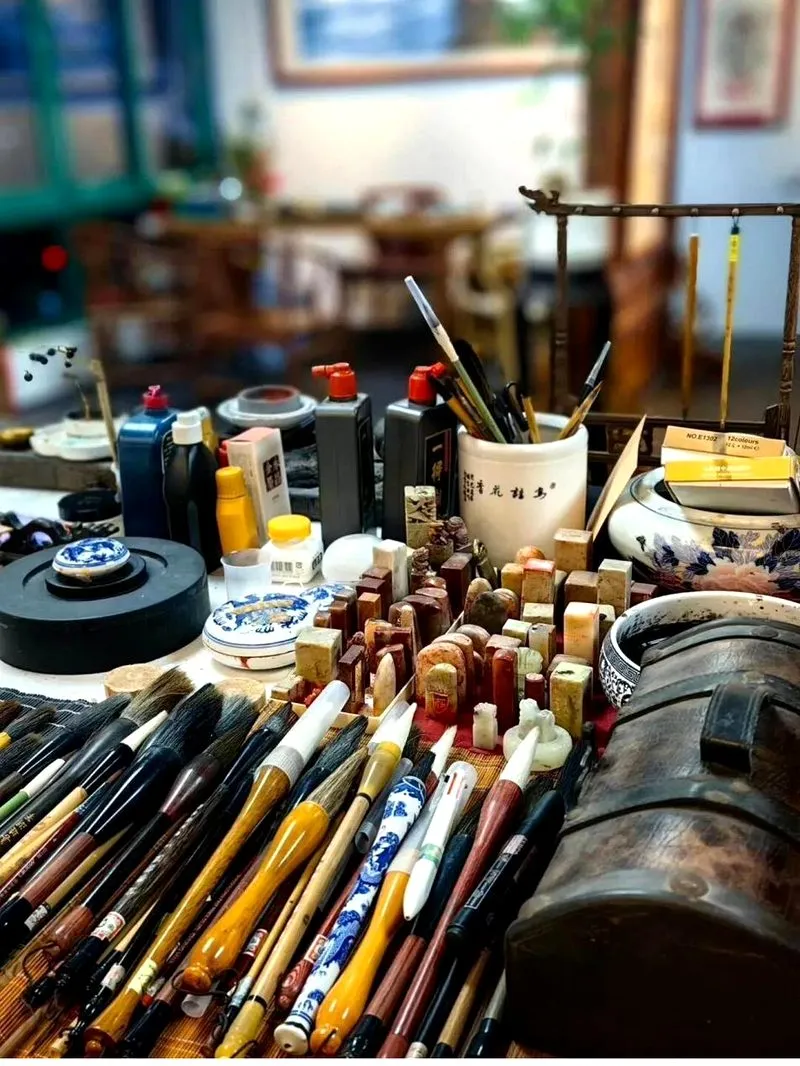
Each 禄 (Lù) is hand-brushed to order by Artist Lina Sun in ink on rice paper — never printed, never repeated.
Bring 禄 home — choose how you'd like it brushed.
-
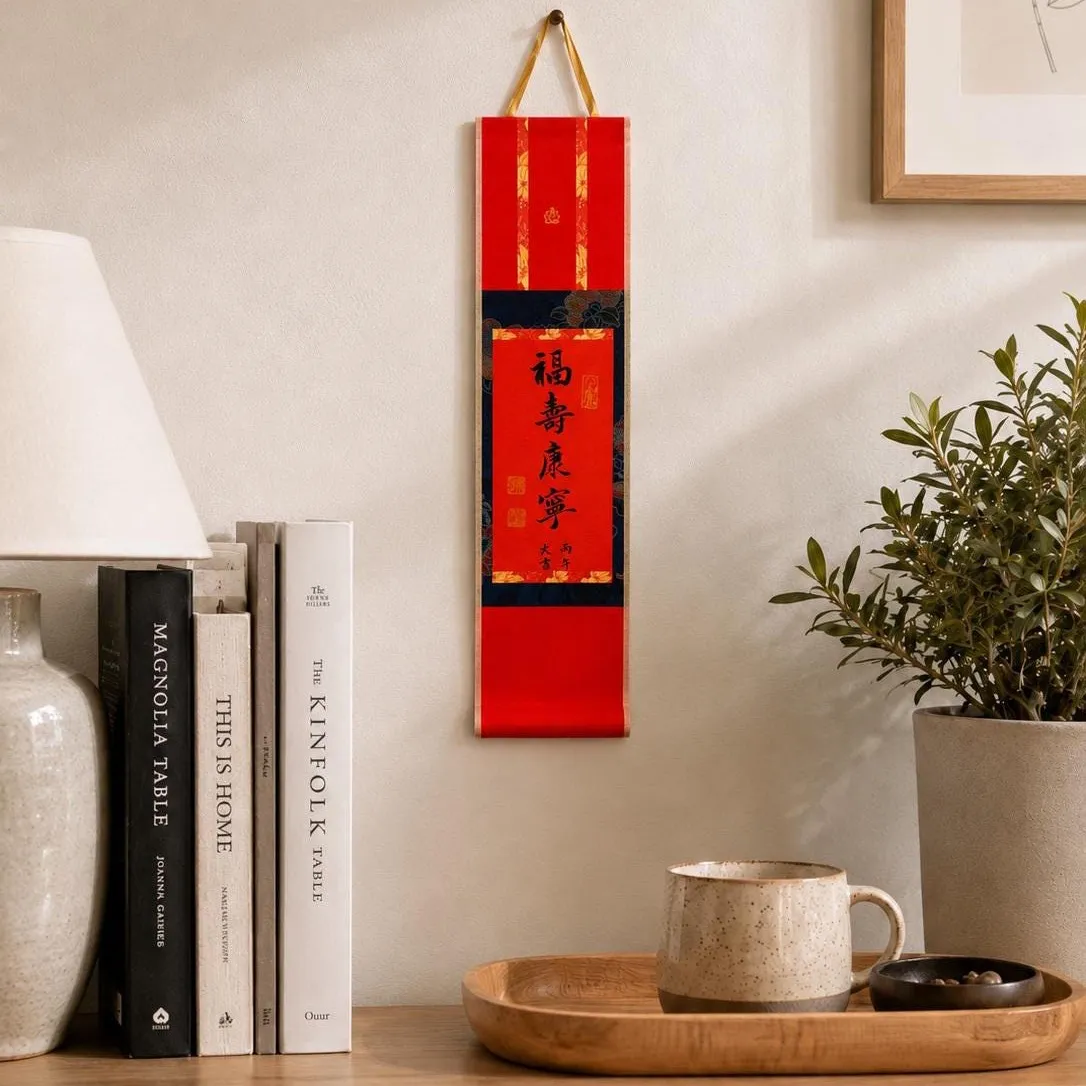
Photo shows a sample — yours will be brushed with 禄, or any character you choose.
Wall Scroll — for walls & housewarmingsfrom $38→ -
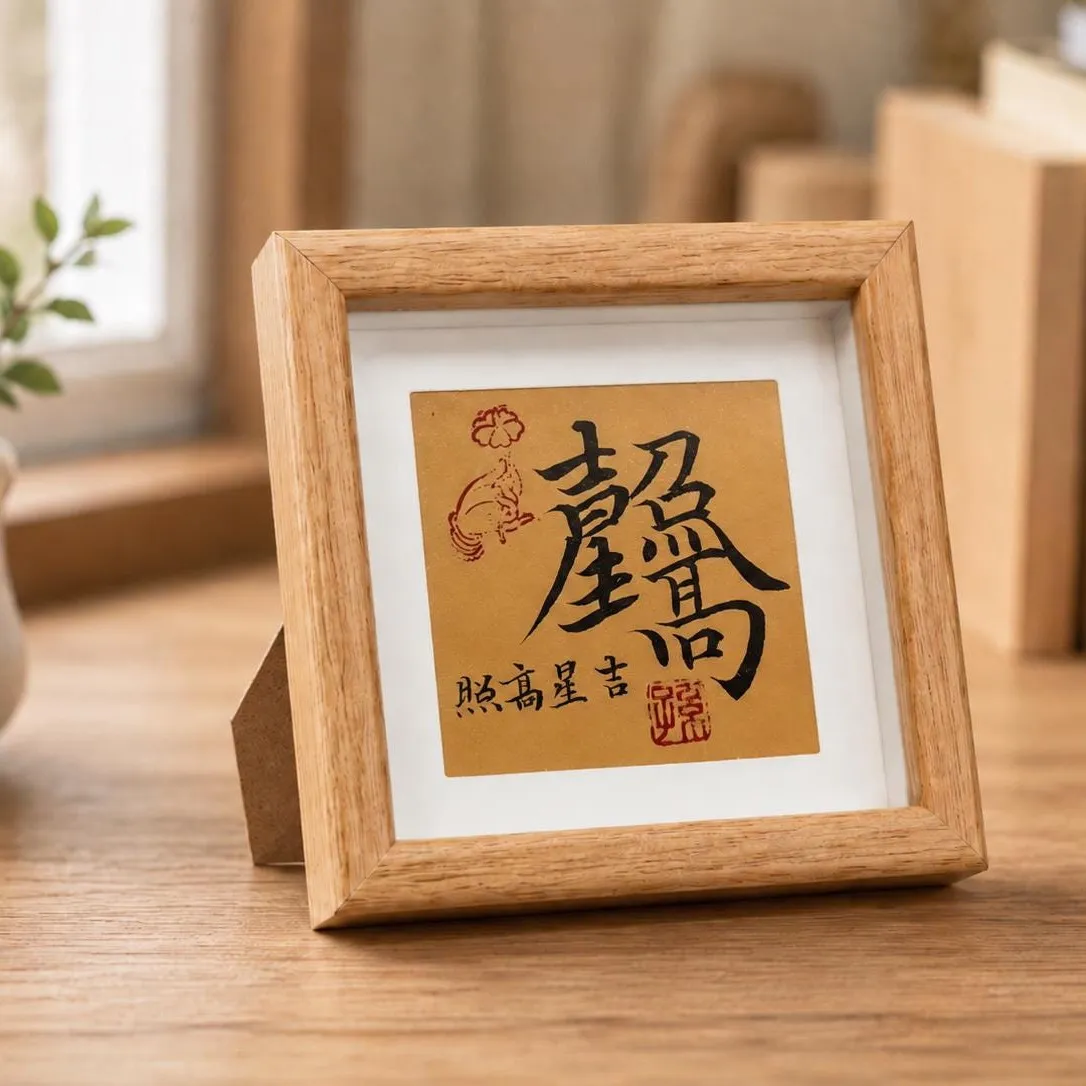
Photo shows a sample — yours will be brushed with 禄, or any character you choose.
Desk Frame — for desks, studies & studiosfrom $44→ -
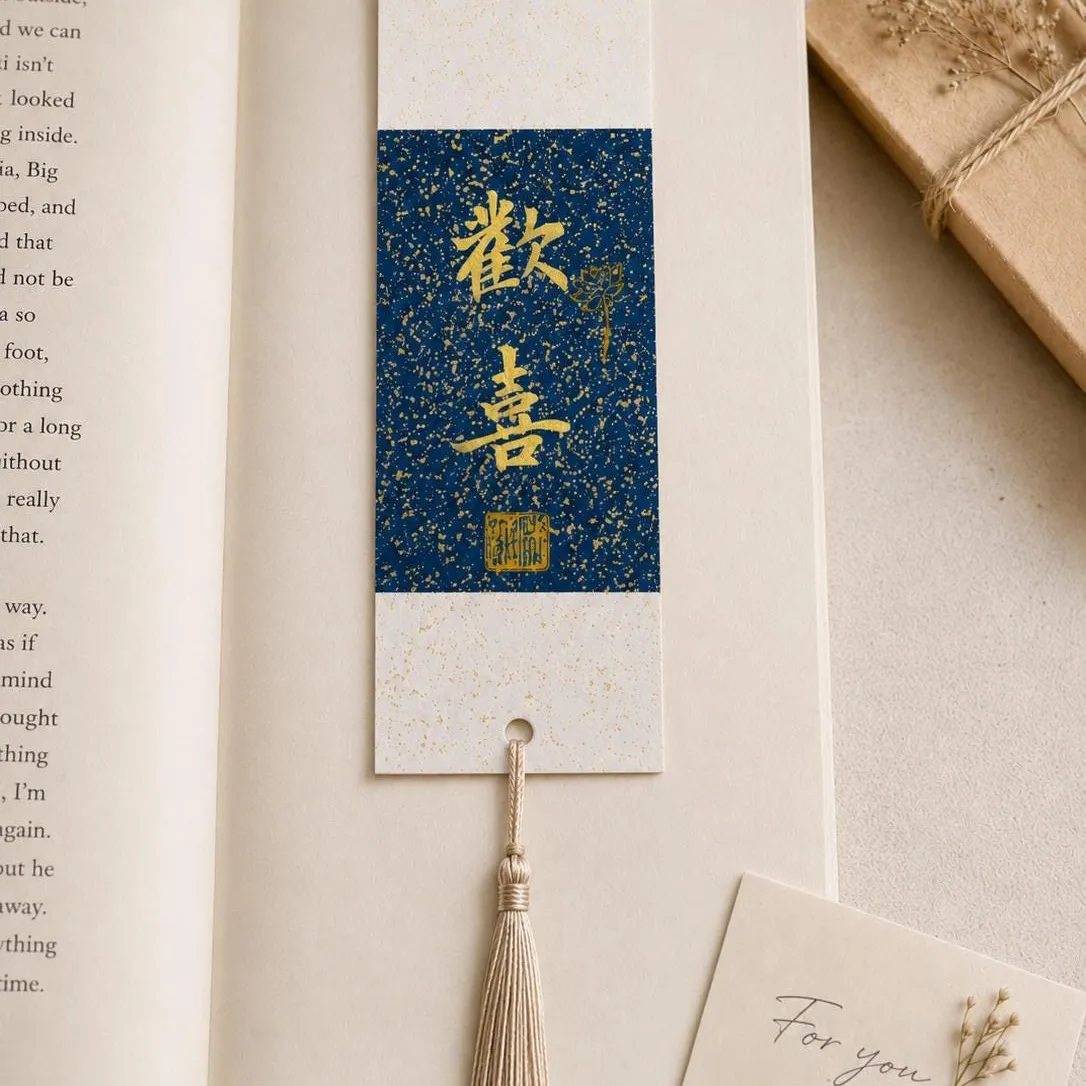
Photo shows a sample — yours will be brushed with 禄, or any character you choose.
Bookmark — for readers & small thank-yousfrom $17→
What people said after it arrived.
-
The item is fantastic. The customer service was genuine. Thanks!
— M.Verified purchase · from our Etsy shop reviews · -
They were great they gave me exactly what I asked for and then some. Thank you!!
— G.Verified purchase · from our Etsy shop reviews · -
It is well designed and customized. My daughter loves it. Amazing gift for family’s d friends
— S.Verified purchase · from our Etsy shop reviews ·
Each "禄" is hand-brushed by Artist Lina Sun on rice paper.
See 禄 (Lù) on Etsy →